Idaho Falls Idaho Premier Roofing & Restoration

Premier Roofing & Restorations

208-351-5340 Free Estimates
  • Roofing
    • New Roofing
    • Roof Replacement
    • Gutters
  • Service Area
  • About Us
    • Blog
    • FAQ
  • Contact Us

How a Small Roof Leak Can Lead to Big Problems

Home | Archives for | Page 4

The Real Cost of Ignoring a Small Roof Leak

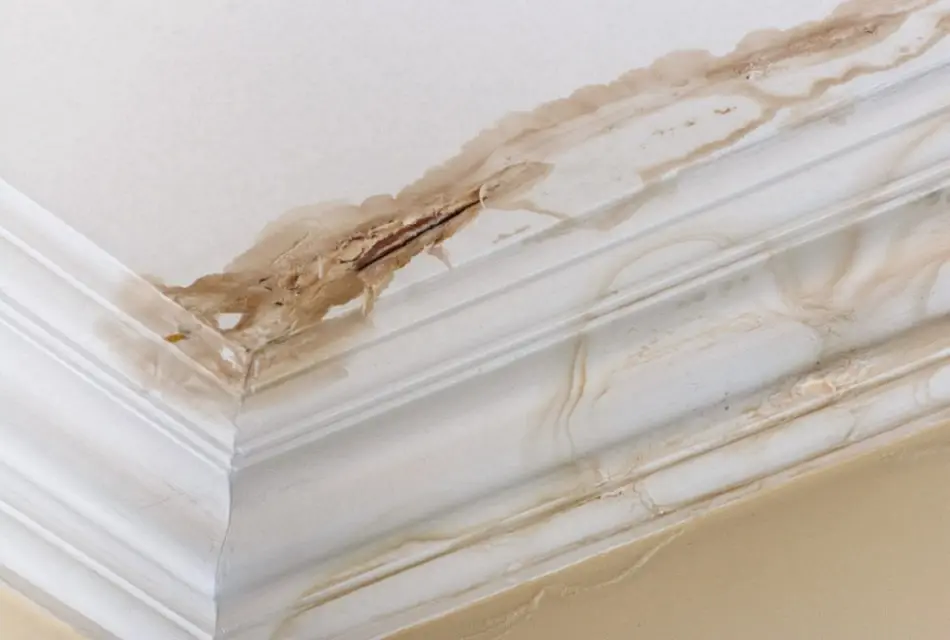
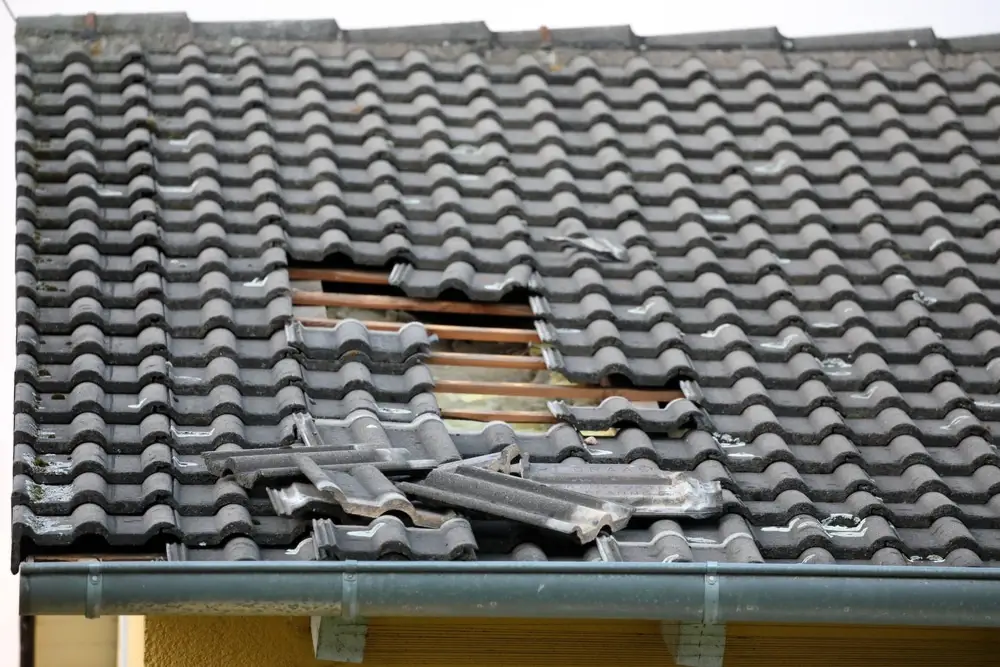
A tiny stain on your ceiling or a faint dripping sound during a rainstorm may not capture your attention. But don’t be fooled by a small roof leak — ignoring even the smallest issues can lead to huge consequences down the line. That seemingly inconsequential leak can cause big trouble, both structurally and financially, if left unchecked. 

Structural Damage Accumulates Quickly

Water can quickly destroy a home. A small roof leak that seems minor today can saturate your attic insulation, rot wooden framing, and even compromise the integrity of your ceiling or walls. Over time, the leak can extend beyond the roof, weakening support beams and damaging your home’s foundation, causing cracks and shifting. A simple patch job can escalate into thousands of dollars in repairs faster than you will expect. 

Mold and Mildew Growth

A damp attic or wall cavity can become a breeding ground for mold and mildew. Mold not only causes musty odors and unsightly stains but it can also pose serious health risks, especially for those with allergies or respiratory issues. Mold remediation can be a costly and complex process; avoid it by catching roof leaks early. 

Increased Energy Bills 

Water doesn’t just hurt your roof — it can also impact your insulation. Wet insulation becomes less effective, which means your home could lose heat in the winter and get hotter in the summer. As a result, your HVAC system has to work harder, increasing your energy bills. A small roof leak can lead to big inefficiencies. 

Fire Hazards

If water from your roof seeps into your electrical system — especially if wiring is located in your attic or walls — it could cause dangerous short circuits. In some cases, water intrusion from a small roof leak has caused house fires. Even though it’s rare, it’s not a risk worth taking. 
The Real Cost of Ignoring a Small Roof Leak

 Pest Infestations

Moisture attracts insects, rodents, and other pests that are searching for water and shelter. Once inside, they can cause additional damage to your insulation, writing, interior walls, and home’s structural integrity. Removing these pests and repairing the damage can add an additional expense on top of fixing the leak and water damage. 

Reduced Property Value

When it comes time to sell your home, evidence of past or present roof leaks can scare off potential buyers. Even if the damage has been repaired, the presence of stains, warped drywall, or a history of mold can lower your property’s value. 

In addition, homeowners insurance may not cover damage caused by neglect, making it crucial to address small roof leaks promptly. 

Causes of Minor Roof Leaks 

Aging Roof Materials — Shingles, flashing, and roof membranes can deteriorate over time, leading to leaks.

Weather Damage — Heavy rain, snow, hail, and even wind can damage roof materials, creating cracks where water can seep in. 

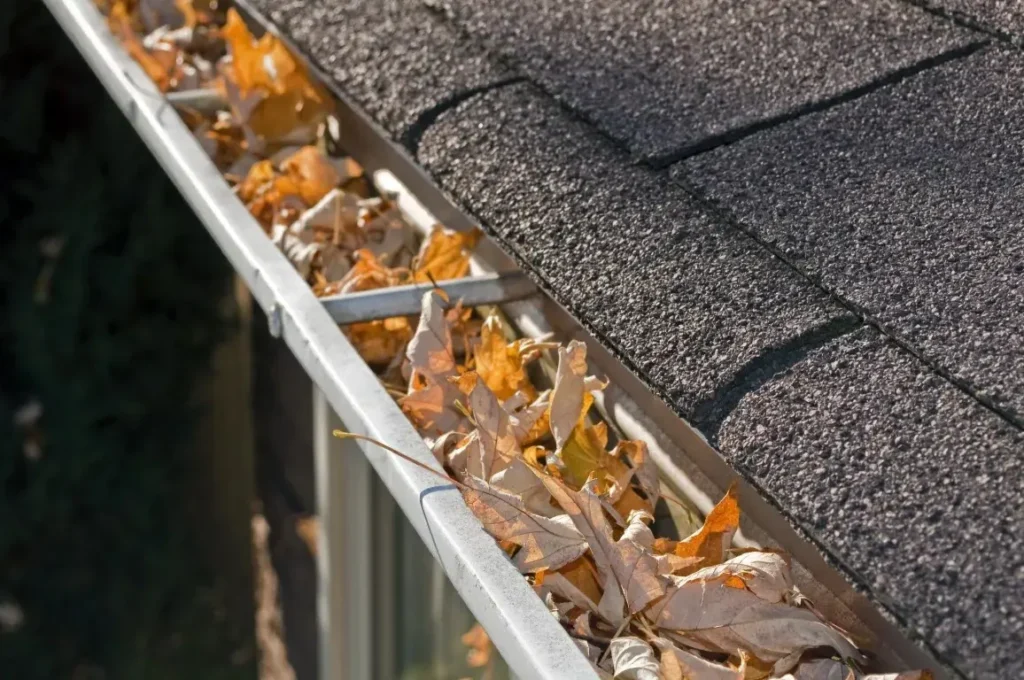
Clogged Gutters — Blocked gutters can cause water to seep under roof shingles and flow down into cracks and seams. 

Improper Installation — Poor craftsmanship during installation can lead to weak points. You may not notice poor roofing until a huge issue appears, so ensure you invest in a quality roofing company. 

Invest in Regular Roof Inspections

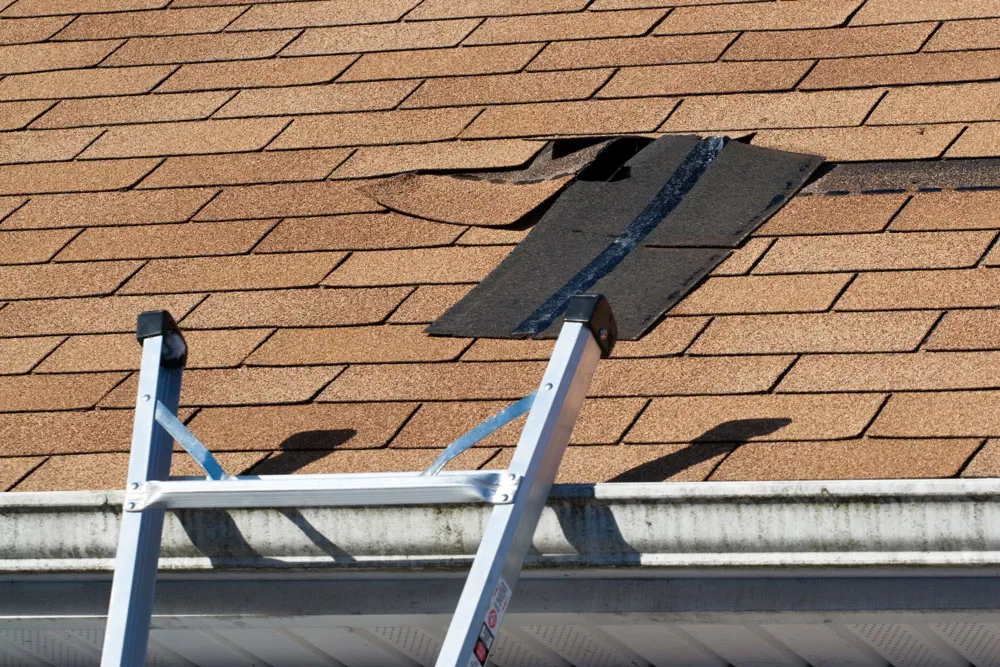
Not every small roof leak can be easily detected or located. To avoid water damage from hidden leaks, invest in regular roof inspections. Roof inspections not only help catch issues early, but they also:

Extend Your Roof’s Lifespan — Regular maintenance, facilitated by inspections, can significantly prolong the life of your roof, delaying the need for costly replacements. 

Save You Money — Addressing issues early on can keep minor problems from escalating into expensive repairs or premature roof replacement. 

Improve Safety — Inspectors can identify potential hazards like loose shingles or structural issues, ensuring your home is safe. They can also check the integrity of your gutters and flashing. 

Ensure Compliance — Some insurance companies require regular roof inspections, and failing to comply can affect your coverage.
The Real Cost of Ignoring a Small Roof Leak

Enhance Energy Efficiency — By identifying and addressing issues like poor insulation or ventilation, inspections can help improve your home’s energy efficiency, potentially lowering your energy bills. 

Peace of Mind — Knowing your roof is in good condition can provide peace of mind and reduce stress. 

Don’t Ignore Small Roof Leaks 

That minor drip may seem harmless now, but a small roof leak can spiral into something bigger quickly — from health risks and structural damage to increased bills and reduced home value. Regular inspections and prompt repairs can help you protect your investment and avoid unexpected expenses. When in doubt, call a roofing professional to evaluate the issue before it grows into a major — and expensive — repair.
Filed Under: Roofing

How to Safely Remove Debris From Your Roof

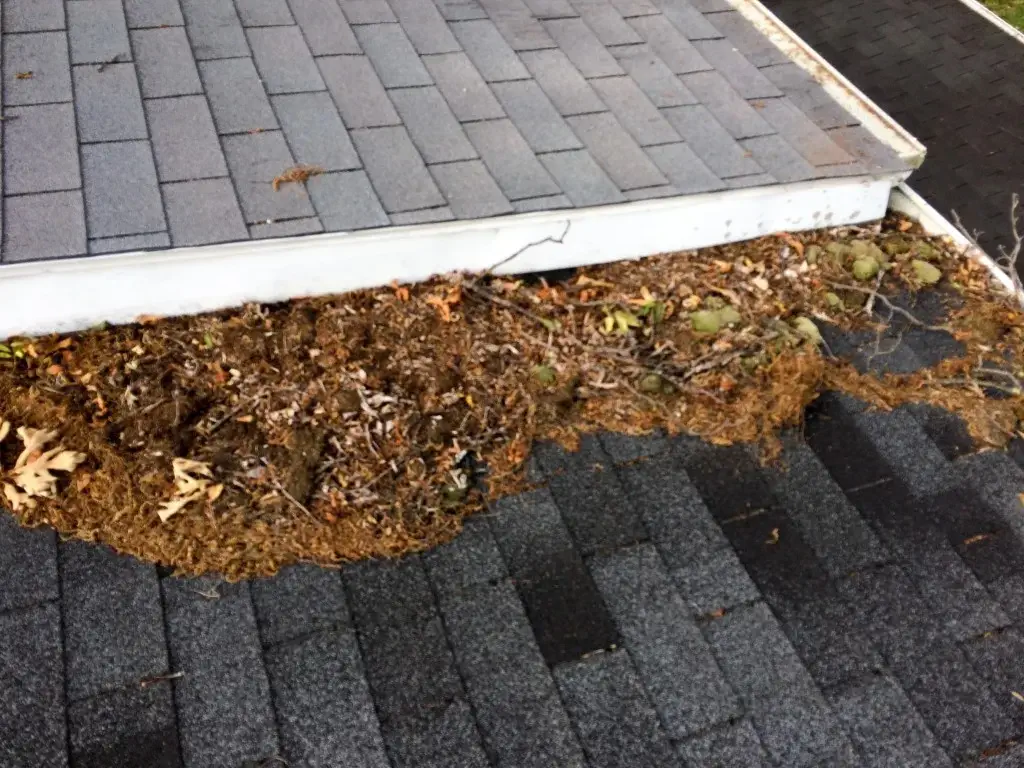
Your roof is your home’s first line of defense against the elements — but leaves, branches, moss, dirt, and other debris can quickly compromise that protection. Regular cleaning not only enhances curb appeal but also prevents water damage, mold growth, and unnecessary wear and tear. However, roof work can be risky if you don’t have the right tools, knowledge, and precautions. Here’s how to safely remove debris from your roof without putting yourself or your home in danger. 

Danger of Leaving Debris on Your Roof 

Neglecting your roof is unsafe and can lead to: 

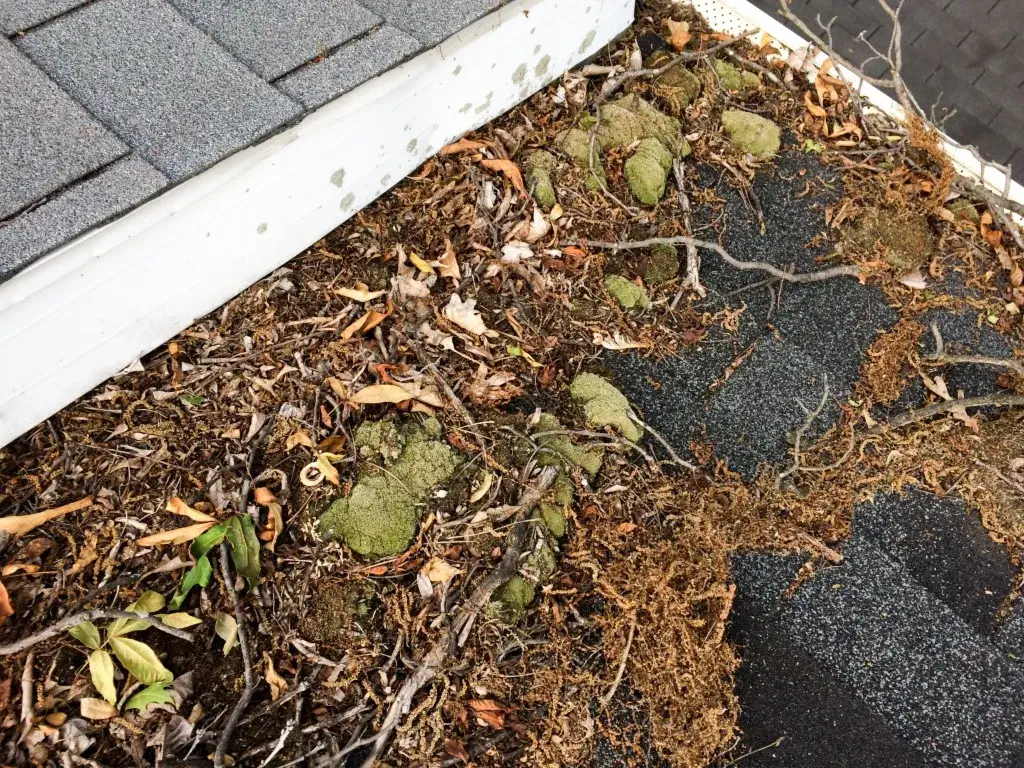
Water Damage — Debris, especially leaves or branches, can trap moisture against the roof, cause shingle rot, moss and algae growth, and potentially lead to leaks. Over time, the trapped moisture can lead to weakened roofing materials and structural damage. 

Structural Damage — Excessive debris adds weight to your roof, potentially causing the structure to sag or warp. In extreme cases, heavy accumulation can lead to roof collapse.  

Reduced Energy Efficiency — Debris on the roof can absorb heat, reducing the roof’s ability to reflect sunlight and increasing energy costs. 

Pest Infestations — Debris on the roof can create nest sites for pests like rodents and insects, leading to potential damage to the roof, attic, and insulation. They can also chew through roofing materials and create entry points for moisture. 

Clogged Gutters — Clogged gutters and downspouts can lead to moisture pooling near your home’s foundation and up on the roof. In colder climates, this can lead to ice dams, which cause leaks and damage to insulation. 

Safety Tips for Removing Roof Debris 

1. Choose the Right Time and Weather 

Avoid cleaning your roof during rainy, icy, or windy conditions, as this can increase your risk of injury. Opt for a dry, mild day when the roof surface isn’t slippery and visibility is good. Early morning or late afternoon is ideal because the temperatures are cooler, protecting you from heat exhaustion. 

2. Use the Proper Safety Gear

Before climbing a ladder or stepping onto the roof, make sure you’re equipped with:

  • A sturdy extension ladder that’s anchored or secured
  • Non-slip shoes or roofing boots
  • A safety harness if working on a steep or high roof
  • Gloves and eye protection 
  • A helper or spotter, if possible 

Safety First: If you’re not experienced or comfortable with heights, consider hiring a professional. 

How to Safely Remove Debris From Your Roof

3. Start With the Gutters

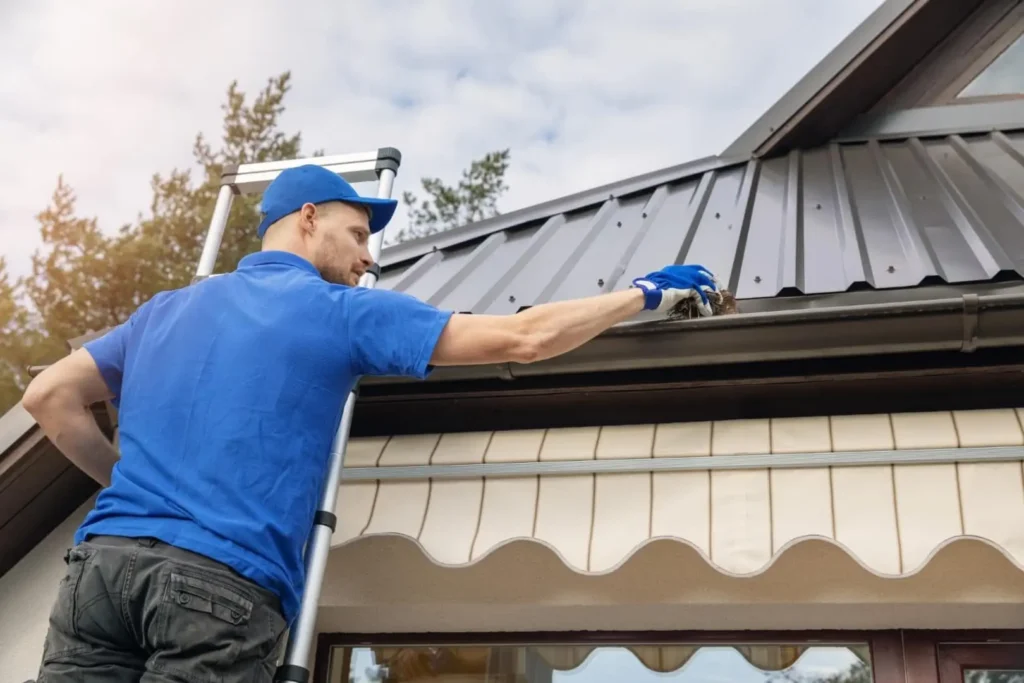
Clogged gutters often cause a buildup of debris. Use a small scoop or gutter cleaning tool to remove leaves, mud, twigs, and anything else filling up your gutters. Flush them afterwards to ensure there’s proper water flow. Check your downspouts as well. 

4. Use a Roof Rake or Blower

Instead of walking on the roof, consider using a long-handled roof rake or leaf blower from the ground or a ladder to clear loose debris. These tools easily remove leaves, sticks, and other objects and reduce the risk of damaging your shingles and your chances of falling and getting injured.

Note: Try to avoid aiming the air stream directly up the slope of your roof because this can damage or loosen shingles. 

5. Manually Remove Larger Debris

If you notice branches, bird nests, or heavy debris stuck in valleys or behind chimneys, climb carefully and remove them by hand, being careful not to drag them across shingles. Always step gently on designated walkable areas or roof brackets.

6. Watch for Signs of Damage

Take the time when cleaning your roof to check for cracked or missing shingles, soft spots, moss growth, or water stains. Spotting early signs of trouble can save you thousands in repairs. If you notice overhanging branches, consider trimming them to prevent some debris from piling up on your roof.

7. Avoid Power Washing

High-pressure water can damage shingles, loosen granules, and shorten the lifespan of your roof. Stick to low-pressure rinsing or professional cleaning for stubborn grime or moss. 

8. Dispose of Debris Responsibly

How to Safely Remove Debris From Your Roof

Collect everything you remove into a tarp or garage bags and properly dispose of it. Don’t let debris wash into storm drains or your yard. 

Protect Your Home by Keeping Your Roof Clean 

Keeping your roof clear of debris is a simple yet crucial part of home maintenance that can prevent costly damage down the line. By following proper safety precautions and using the correct tools, you can effectively remove leaves, branches, and debris without putting yourself at risk or harming your roof. However, if the task ever feels too risky or overwhelming, don’t hesitate to call in a professional — your safety and your home’s integrity are worth it.

Filed Under: Roofing

Bad Gutter Installation: The Silent Home Destroyer

When it comes to home maintenance, you may not give your gutters the attention they deserve. And while they may not be the most exciting part of your roof — they’re essential. Gutters are your home’s first line of defense against water damage, and if your home doesn’t have proper gutter installation, you risk problems far more severe (and expensive) than you realize. 

Water Damage: A Silent Destroyer

Improper gutter installation can lead to water spilling over the edges and pooling near the foundation of your house. Over time, this water can seep into your basement, erode your landscaping, and cause structural issues that are both dangerous and costly. 

Water that isn’t directed properly can also get behind siding or seep into your roofline, leading to rot, mold, and mildew — problems that are expensive to fix and hazardous to your health. 

Foundation at Risk

The foundation of your house directly influences its integrity and stability.  When water isn’t properly directed away, it can erode the soil and lead to cracks in your foundation. In cold climates, this damage can worsen due to thaw-freeze cycles, which cause the water to freeze then expand. A well-installed gutter system diverts rainwater far away from the base of your home and protects it from long-term damage. 

Roof and Fascia Damage

When gutters are improperly sloped or clogged due to poor installation, water can pool and back up into your roof. This leads to shingle deterioration, leaks, and damage to the fascia boards. Once rot sets in, you’re faced with major repairs that add up to more than the cost of simply installing the gutters correctly the first time. 

Pest Problems

Standing water in misaligned or sagging gutters becomes a breeding ground for mosquitoes. Wet, rotting wood also attracts termites, carpenter ants, and other rodents. A well-installed gutter system ensures water flows freely and doesn’t linger where it shouldn’t. 

Curb Appeal and Property Value

Sagging or overflowing gutters or stained siding not only pose a threat to your home but also detract from your home’s appearance. More importantly, if a prospective buyer sees signs of water damage or improperly managed drainage, it could tank your home’s value and make it hard to sell. Proper gutter installation is an investment in the present and future value and curb appeal of your home. 

Saving Money in the Long Run

Professional gutter installation may cost more up front than DIY or cheaper options, but the long-terms savings are significant. You’ll avoid costly repairs to your roof, siding, foundation, and landscaping, and extend the life of these essential components of your home. 

Bad Gutter Installation: The Silent Home Destroyer

How Do I Know My Gutters Were Installed Correctly?

If your gutters were installed correctly, they should have:

Smooth Flow — Water should flow smoothly through the gutters and downspouts without any overflow or pooling. 

No Leaks — You shouldn’t see any water dripping from the gutter seams, corners, or connections. 

Proper Downspout Placement — Downspouts should be evenly spaced and positioned to direct water away from the foundation. 

No Standing Water — Standing water in the gutters indicates a problem with the pitch or a blockage. 

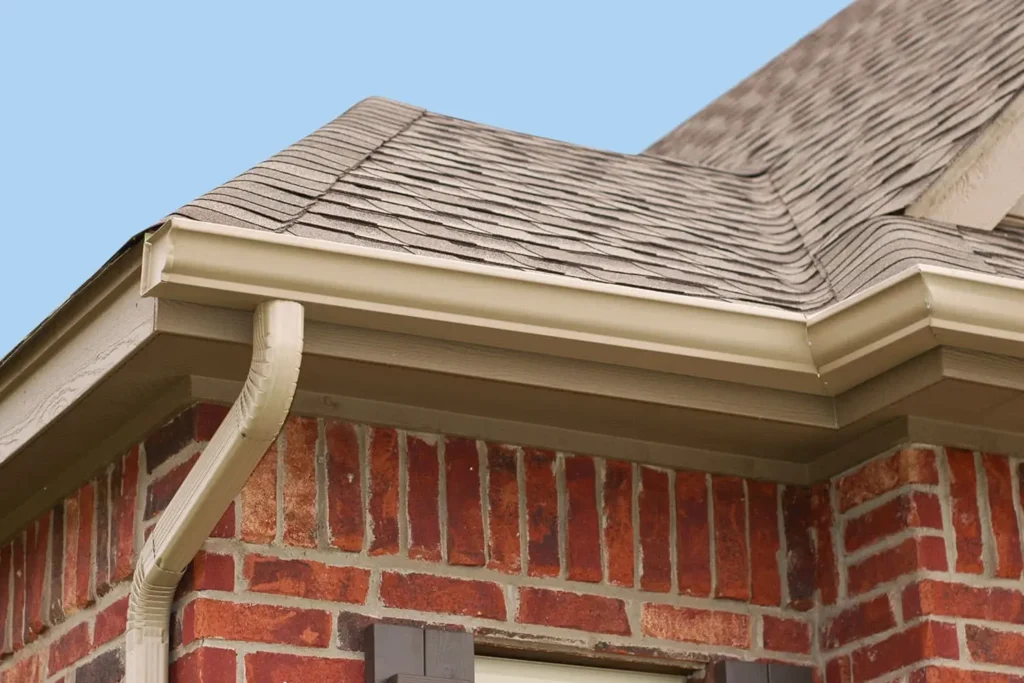
Your gutters should also appear level from the ground with a slight slope towards the downspouts. They should be installed underneath the drip edge of the roof to prevent water from dripping onto the fascia and contain minimal gaps. Look for secure fasteners and ensure none of the gutters are sagging. 

How to Maintain Your Gutters

Even properly installed gutters can develop problems if not properly maintained. Make sure you:

Regularly Clean — Remove leaves, twigs, and other debris from the gutters every few months, especially before and after fall and spring, where debris is more prevalent. 

Inspect for Damage — Check your gutters for signs of wear and tear, such as cracks, rust, or dents. 

Clear Downspouts — Ensure downspouts are free from blockages and remove any debris. 

Bad Gutter Installation: The Silent Home Destroyer

Trim Trees — Trim any heavy trees that overhang the gutters to reduce the amount of debris that falls into them. 

Proper Gutter Installation Protects Your Home

Gutters may seem insignificant when you think of your roof overall, but proper gutter installation plays a critical role in protecting your home. From preventing water damage and preserving your foundation to avoiding pest issues and boosting curb appeal, the value of quality gutter installation can’t be overstated. 

Don’t wait for a leak or costly repair for you to realize their importance. Proper gutter installation is one of the best preventatiave steps you can take to ensure the long-term health and safety of your home. 

Filed Under: Roofing

  • « Previous Page
  • 1
  • 2
  • 3
  • 4
  • 5
  • 6
  • …
  • 18
  • Next Page »

Hours

Premier Roofing & Restorations

1920 E 17th St. Suite 203
Idaho Falls, ID 83404

208-351-5340

Pocatello: 208-269-9953

MONDAY 9:00 AM - 6:00 PM
TUESDAY 9:00 AM - 6:00 PM
WEDNESDAY 9:00 AM - 6:00 PM
THURSDAY 9:00 AM - 6:00 PM
FRIDAY 9:00 AM - 4:00 PM
SATURDAY CLOSED
SUNDAY CLOSED

Directions

Contact Us

  • This field is for validation purposes and should be left unchanged.

2026 | Premier Roofing & Restorations | All Rights Reserved | Privacy Policy | Terms | XML Sitemap | Sitemap | Site by PDM