
Idaho Falls Idaho Premier Roofing & Restoration

Premier Roofing & Restorations

208-351-5340 Free Estimates
  • Roofing
    • New Roofing
    • Roof Replacement
    • Gutters
  • Service Area
  • About Us
    • Blog
    • FAQ
  • Contact Us

What to Look for After a Big Storm: Roof & Gutter Checklist

Home | Archives for | Page 5

What to Look for After a Big Storm

After you experience a big storm, you may want to first check if you have power or assess yard damage, but don’t forget about your roof and gutters. They take the brunt of the storm, and unnoticed damage can lead to leaks, mold, and costly repairs down the line. Use this post-storm checklist to inspect your roof and gutters safely and thoroughly.

Roof Inspection Checklist

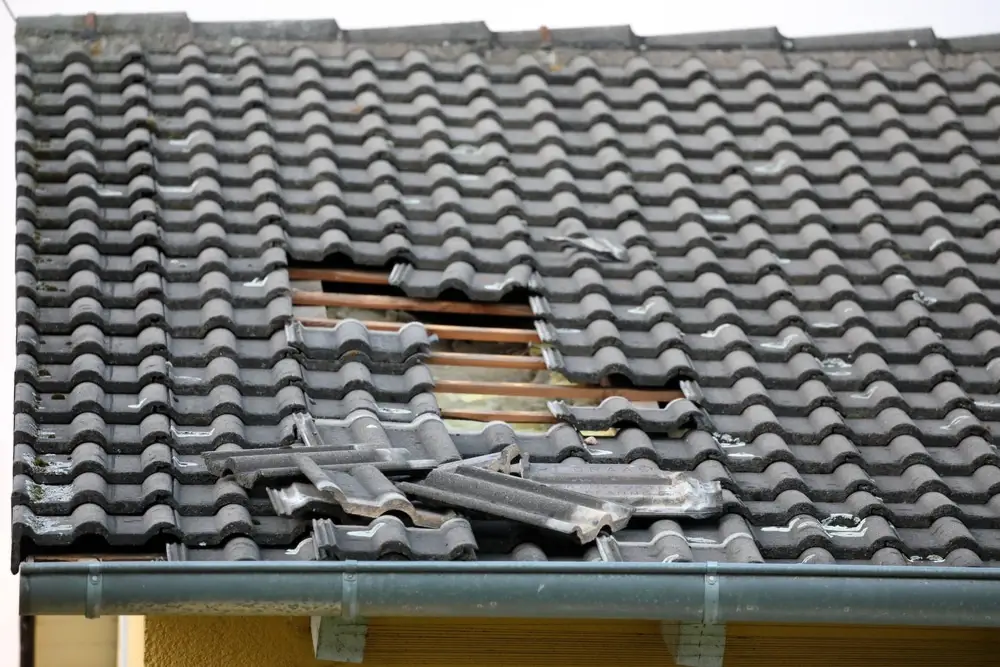
Look for Missing or Damaged Shingles — Heavy winds can crack, curl, or even rip shingles off your roof. Branches and debris can also collide with your roof, tearing shingles or causing roof damage. Missing shingles can lead to small roof leaks, so they need to be replaced as soon as possible. 

Check for Granule Loss — Granules are embedded in shingles to make them fire-resistant, provide color, and protect them from UV rays. If you discover excessive granules in your downspouts or gutters, your shingles could have experienced wear and tear. Bare spots on shingles expose your roof to UV damage and leaks.

Inspect for Dents or Bruising — Hail can leave small but damaging marks on shingles, vents, and flashing. You should also gently press some shingles and look for soft spots, as these could be bruised. 

Scan for Exposed Underlayment or Plywood — If you can see the protective layers under shingles, you will want to make repairs urgently. They can warp, crack, or swell when exposed to moisture, and deteriorate and lose their protective barrier when exposed to UV light. If left unprotected, it can fail and lead to mold growth, structural issues, and leaks. 

Look Around Roof Penetrations — Flashing keeps your roof waterproof — especially around roof penetrations. Chimneys, vents, and skylights are vulnerable to leaks if the material around them gets damaged or dislodged. Look for bent, detached, or corroded flashing after a storm.

Gutter & Downspout Inspection Checklist
What to Look for After a Big Storm

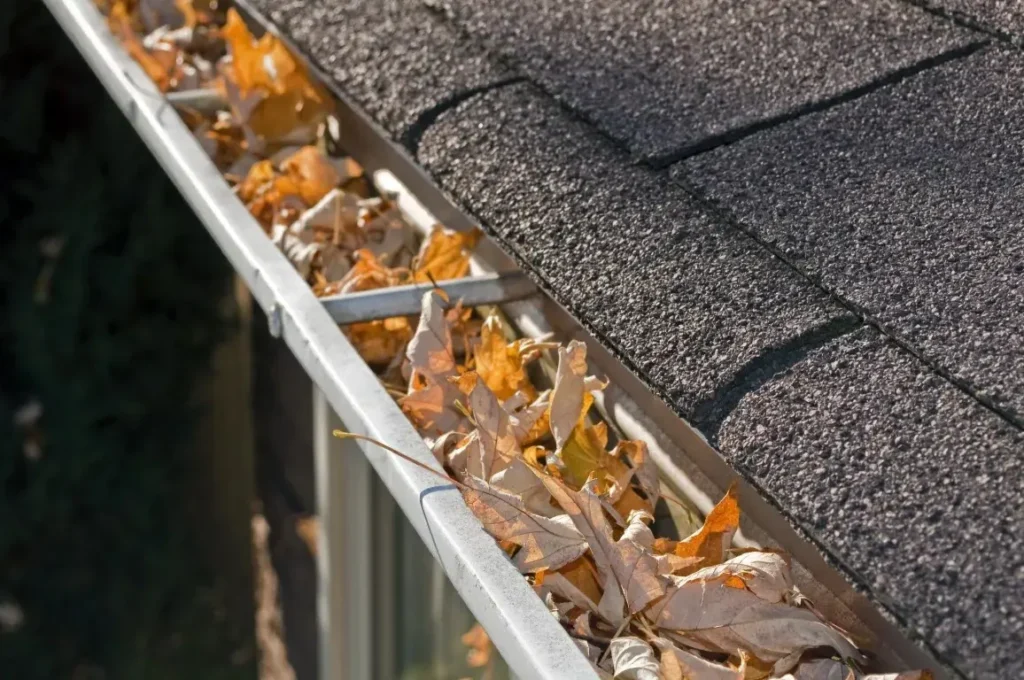
Check for Blockages — Debris from trees can clog gutters and downspouts, causing overflow. Make sure water is draining properly and not pooling near your foundation, as this could lead to leaks and cracks in the foundation of your house. 

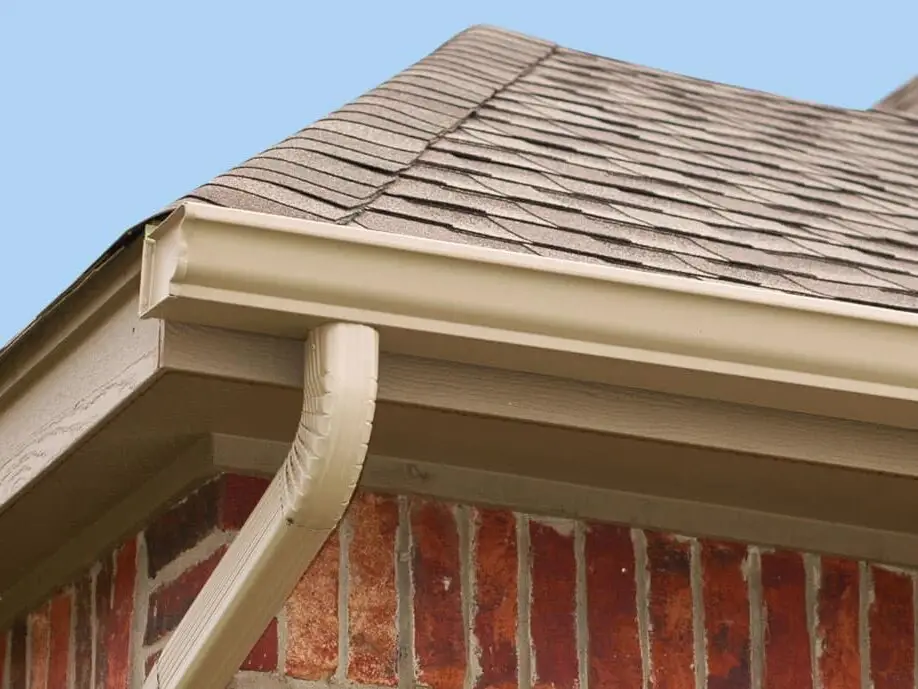
Look for Sagging or Detached Sections — Heavy rain or wind can pull gutters loose or cause them to sag from storm debris. Look for gaps between the gutter and fascia board.

Look for Dents or Cracks — Hail or falling branches can dent aluminum gutters or crack plastic ones. Damaged gutters can leak water directly onto your siding or foundation.

Examine Seams and Joints — Tight seams keep water flowing away from your home. If you notice water leaking from seams, it may mean the sealant has failed.


Bonus Tips

Use Binoculars — Consider using binoculars to inspect roof damage if you don’t have a ladder or if it’s unsafe to climb a ladder. 

Take Photos – You may want to take photos of the damage if you want to submit any insurance claims. 

Hire a Professional — If you can’t find the damage or can’t see your roof properly, consider hiring a professional to complete a full inspection.

Schedule Gutter Cleaning — If you don’t see any visible damage done to your gutters, but they are still clogged, schedule a gutter cleaning to prevent water seeping out and causing damage to your house. 

How to Protect Your Roof and Gutters Before a Storm

Regular Inspections — Check your roof regularly to make sure there isn’t any damage, such as missing or loose shingles, damaged flashing, or areas of weakness. 

Gutter Cleaning — Ensure your gutters and downspouts are regularly cleaned to prevent clogs and ensure propor drainage during a storm.

Install Gutter Guards — Install gutter guards to prevent clogs from leaves, twigs, and other debris. 

Trim Branches — Overhanging branches can fall onto your roof during a storm and cause damage, so make sure they get trimmed to avoid any issues. 
What to Look for After a Big Storm: Roof & Gutter Checklist

Roof Coatings — Apply a roof coating as an extra layer of protection against storm damage. If you live in a hail-prone area, consider replacing your roof with impact-resistant shingles. 

Insulation — If you have an attic, make sure you have proper insulation to prevent ice dams from forming, which can damage your roof and gutters during winter storms. Ice cams occur from snow accumulating then freezing. 

Remember to Inspect Your Roof After a Storm

Even if you don’t notice anything amiss at first glance, storm damage can be sneaky. Completing this checklist can help catch issues early — before they turn into costly repairs. When in doubt, call in a roofing professional for a full assessment. Remember to stay safe, stay dry, and keep your roof over your head in good condition.

Filed Under: Roofing

spring roof maintenence

The end of winter and the beginning of spring marks the perfect time to inspect and clean your roof and gutters. Inspection and regular maintenance can prevent costly repairs and extend the lifespan of your home’s exterior. Follow this spring roofing and gutter maintenance checklist to ensure the exterior of your home is in top shape.

Inspect the Roof

Your roof is your home’s first defense against the elements, so it needs to be in top condition. In the spring, you should check your roof’s shingles first as they can become loose or damaged because of storms, water buildup, heat, poor ventilation, or old age. If you find any missing, cracked, or curling shingles, replace them to protect the integrity of your roof. Check for any rust or corrosion on metal roofing elements and treat as needed to prevent further deterioration.

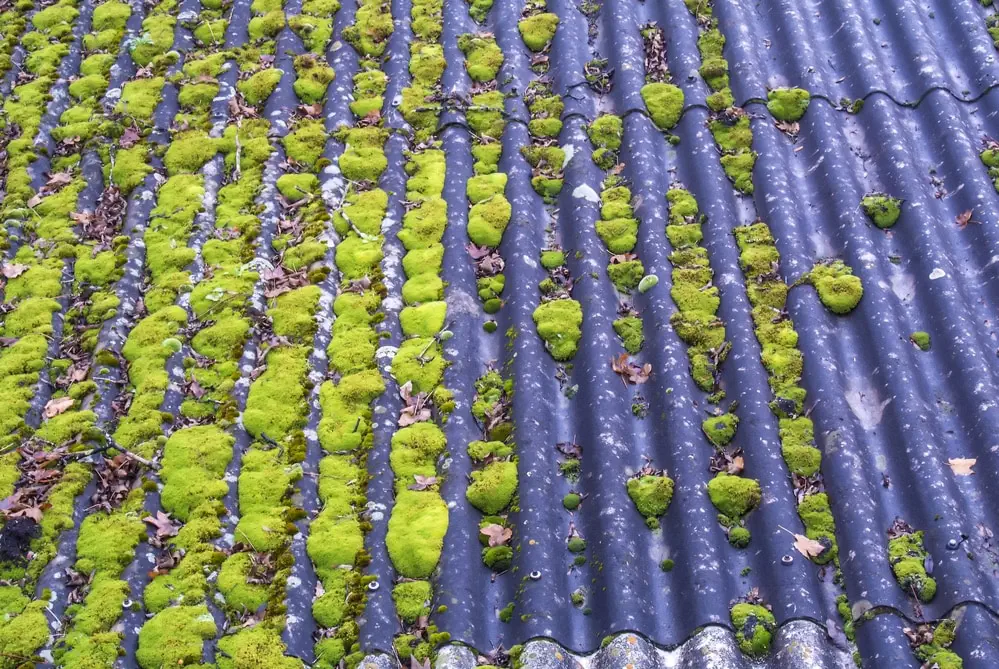
You should also look for signs of moss, algae, or mildew growth, which can weaken and damage roofing materials. Examine the roof for sagging or other structural issues that may need professional attention and inspect flashing around chimneys, vents, and skylights to ensure there are no leaks. As a roof’s flashing suffers from old age it can cause peeling caulking that needs to be touched up. It can also become damaged from bad installation and develop into a common entry point for water if not properly sealed.

clean gutters and soffits in the spring

Inspect Soffits, Fascia, and Vents 

Soffits are metal or wood panels that sit on the underside of the roof between the wall and roofline and the fascia is the metal or wood boards along the roofline or behind the eavestrough. Soffits, fascia, and vents can collect debris and become spots for animal nests or develop soft spots or damage. Check to see if you need to repair or replace any parts. A clogged soffit vent can also hamper airflow to your attic, causing more problems. 

Clean the Gutters

Gutters carry rainwater from your roof and home. If they become clogged, water can build up and damage the shingles and the structure of your roof.  When doing your gutter spring cleaning, remove leaves, twigs, and debris to allow proper water flow then flush them with water to check for blockages and leaks. Check for rust or holes in metal gutters and seal small leaks with gutter sealant.

Secure any downspouts to prevent sagging and ensure that they direct water away from the foundation to avoid water damage. You could also consider installing a clean-out screen in your downspouts to prevent clogging in ground pipes, which can be costly to have cleared.

Check for Water Damage

Inspect your ceilings, walls, and siding for water stains, warping, peeling paint, or mold as these could be signs of a roof leak. Inspect the attic for signs of moisture, such as damp insulation or musty odors, and ensure it has proper ventilation to prevent heat and moisture buildup. Examine the foundation for signs of water pooling, which may indicate poor drainage.

Trim Overhanging Branches

clean moss off your roof in the spring

Cut back tree branches to make sure nothing hangs over your roof. A lot of roof damage is caused by overhanging branches breaking off during storms or blocking sunlight and promoting moss growth on the roof. You should also make sure no tree debris, such as leaves, pine cones, or fir cones, has accumulated on your roof over the winter, as this could cause mold and fungus growth. Removing branches, cleaning off debris, and removing moss with a low-chemical cleaner, such as laundry detergent, will have your roof in pristine condition for spring. 

Schedule a Professional Inspection

Even with diligent maintenance, some roofing and gutter issues require professional expertise. If you notice significant damage or wear, consider hiring roofing professionals for a thorough inspection. They can identify hidden problems and provide solutions before they become major issues. 

You can request a detailed inspection report and estimate for any necessary repairs or improvements and ask about preventative treatments. such as moss inhibitors or weatherproof coatings.

Add Your Roof and Gutters to Your Spring Cleaning Checklist

Spring maintenance isn’t just about repairs — it’s an investment in your home’s longevity. Proactive care ensures that your roof and gutter system continue to function properly, preventing long-term damage and avoiding emergency repairs. Plus, maintaining your roof and gutters enhances your home’s curb appeal and overall value.

By following this spring maintenance checklist, you can protect your home from costly repairs and keep your roofing and gutter systems in excellent condition. A little attention now can prevent major headaches later.

Filed Under: Roofing

mixed-material roofs

When it comes to building a roof, you’ll discover a wide variety of materials to choose from. You can also combine a few different materials. But what you use and whether you want to try a mixed material roof will depend on where you live, your house type, and the style you are going for. To help you decide, here are a few facts about mixed-material roofs. 

What are Mixed-Material Roofs? 

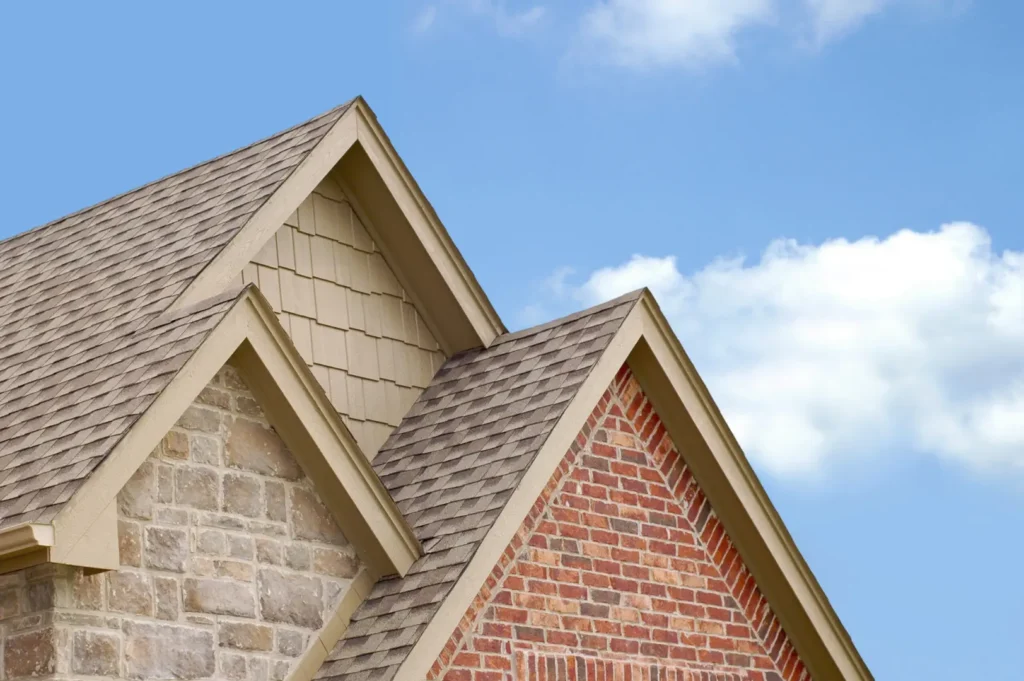
Mixed-material roofs combine multiple types of roofing materials to create a single structure. People may choose to use multiple different types of roof materials for aesthetic appeal, functionality, or customization. Builders may take this approach when building modern architecture, restoring historical properties, or saving on costs. 

What Kinds of Materials are Mixed Together?

Asphalt and metal — Asphalt shingles are low-cost and budget-friendly and metal roofing is durable and resistant to weather, such as snow and wind. Asphalt shingles can be used for lower slopes and metal used for higher slopes. Asphalt shingles and metal roofing create a striking contrast that homeowners may want to boost the look of their house and the property value. 

Slate and wood shakes — Slate provides a clean, sophisticated, and contemporary look, and wood shakes add a natural, rustic appeal. Slate is also low maintenance, fire-resistant, and can last for many, many years. 

Tile and metal — Clay or concrete tiles cover the main roof, while metal is used for accents like awnings or dormers. Clay or concrete tiles are heavy and offer a traditional look while metal roofing is lighter and more durable. 

Green Roof and traditional materials — A section of the roof is designed with vegetation while other areas use standard materials. A green roof can last for many years, reduce energy costs, provide stormwater management, and benefit the environment. Mixing a green roof with sections made from other materials helps keep costs down as a green roof has more initial expenses. 

What are the Benefits of Mixing Different Materials for Roofing

mixed-material roofs

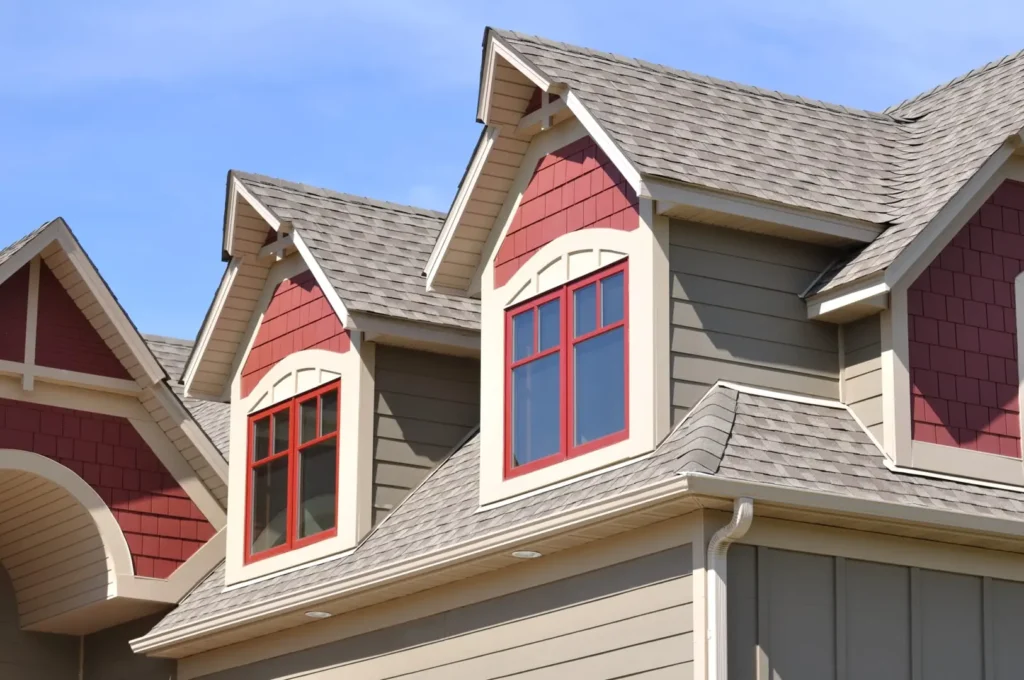
Enhanced curb appeal — Mixing different materials can create a custom look and add visual interest.  Certain materials can be used to accent specific architectural features such as dormers, gables, or porches. You have the flexibility and freedom to be creative. 

Improved durability — Some materials withstand weather better than others. You can mix materials and strategically place durable options in areas of the roof that will be exposed more to the elements. 

Cost-effective — You can use expensive materials in strategic places, saving money by not covering the whole roof. You may also be able to lower maintenance costs by using durable materials in problem-prone areas, reducing the need for frequent repairs.

Energy efficiency — You can combine metal and other materials with insulation-heavy options to help keep energy costs low. This is not only good for your budget but also the environment. Insulating materials, such as slate or concrete tiles, can be positioned strategically to regulate indoor temperatures.

What are the Cons of Using Different Materials Together?

Additional time for installation — One con to using multiple materials for your roof is the added time to install the roof. Asphalt takes approximately one day to install and every other material used may add an additional day of labor. 

Potential leaks — If different materials aren’t installed correctly, they could lead to improper seals and weatherproofing problems. If you are using different materials make sure they are seamless and have proper drainage to avoid leaks and future costly repairs. 

Local building codes — Some areas’ building codes may have specific regulations regarding roofing materials. Make sure you and the professionals you hired know the building codes in your neighborhood to avoid any potential problems in the future. 

Compatibility issues — Make sure to choose materials that will complement each other well. Using two materials that are very different can create an unbalanced or disjointed look. Materials also need to age around the same time so one part of the roof doesn’t fade before the other. Weight differences between materials can also cause structural problems. 

Whatever You Decide — Call a Professional 

Whether you want to use one material or multiple materials for your roof, it’s best to call a professional. Most roofers, including Premier Roofing and Restoration, can give you a free consultation and estimate before you start doing any work. 

Hiring professionals can help guarantee you won’t have issues down the road. They may know the best materials to use for your house, family, neighborhood, and environment, giving you peace of mind during your build.

Filed Under: Roofing

  • « Previous Page
  • 1
  • …
  • 3
  • 4
  • 5
  • 6
  • 7
  • …
  • 18
  • Next Page »

Hours

Premier Roofing & Restorations

1920 E 17th St. Suite 203
Idaho Falls, ID 83404

208-351-5340

Pocatello: 208-269-9953

MONDAY 9:00 AM - 6:00 PM
TUESDAY 9:00 AM - 6:00 PM
WEDNESDAY 9:00 AM - 6:00 PM
THURSDAY 9:00 AM - 6:00 PM
FRIDAY 9:00 AM - 4:00 PM
SATURDAY CLOSED
SUNDAY CLOSED

Directions

Contact Us

  • This field is for validation purposes and should be left unchanged.

2026 | Premier Roofing & Restorations | All Rights Reserved | Privacy Policy | Terms | XML Sitemap | Sitemap | Site by PDM