Idaho Falls Idaho Premier Roofing & Restoration

Premier Roofing & Restorations

208-351-5340 Free Estimates
  • Roofing
    • New Roofing
    • Roof Replacement
    • Gutters
  • Service Area
  • About Us
    • Blog
    • FAQ
  • Contact Us

The Role of Roof Valleys in Protecting Your Home

Home | Archives for

The Role of Roof Valleys in Protecting Your Home

If you’ve ever looked closely at your roof, you may have noticed V-shaped channels where two roof slopes meet. These are called roof valleys, and although they may seem like an inconspicuous design detail, they actually play a crucial role in protecting your home from water damage. Without properly functioning valleys, even a well-built roof can become vulnerable to leaks and structural issues.

What Exactly Is a Roof Valley?

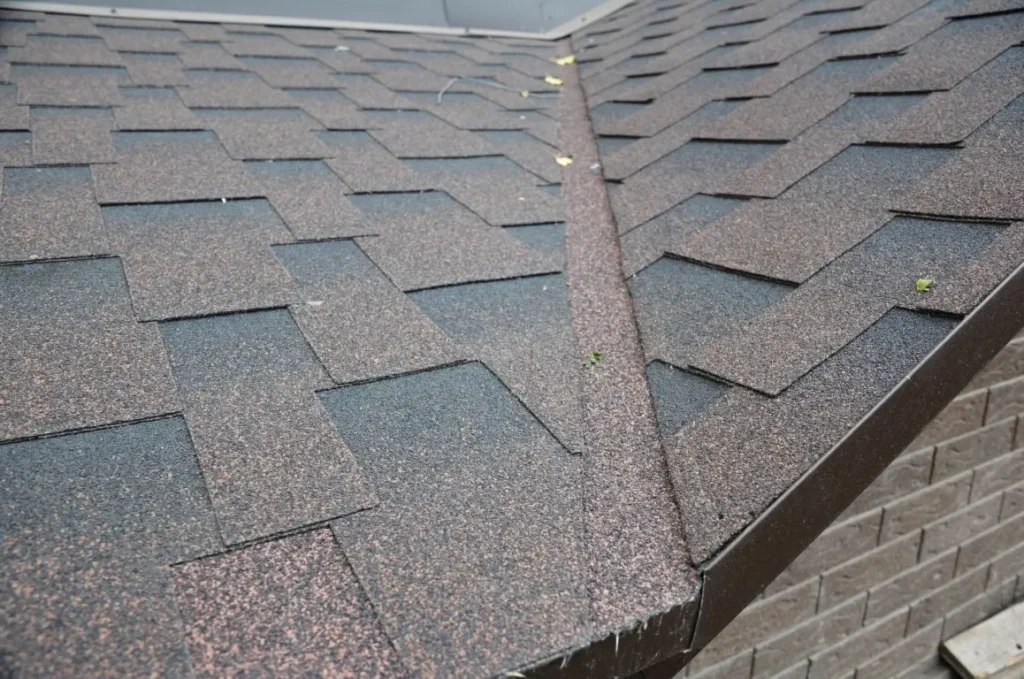
A roof valley refers to the area where two slopes of a roof come together. Because of their shape and position, valleys naturally collect and direct a large volume of water, snowmelt, and debris (including leaves and pine needles) away from your roof. This makes them one of the most important components of your roofing system, as well as one of the most vulnerable if not installed correctly. 

Roof valleys consist of the following components:

Ice and Water Shield — This self-adhering membrane is installed beneath the valley to provide an extra barrier against water intrusion. 

Underlayment — This secondary protective layer sits beneath the roofing materials and helps prevent leaks if water gets past the outer surface. 

Flashing (Metal Valley Liner) — This part is typically made from aluminum, galvanized steel, or copper, and directs water safely down the valley and into the gutter system. 

Shingles or Roofing Material — This visible outer layer must be carefully cut or installed to ensure proper water flow. 

The Primary Purpose of Roof Valleys

Directing Water Off the Roof — The primary job of a roof valley is to guide water safely off your roof. Without valleys, water would pool or flow unpredictably, increasing the risk of leaks and structural damage. 

Preventing Water Intrusion — Valleys are especially vulnerable to leaks because of the concentrated water flow. Properly installed valleys have a watertight barrier to protect your home from moisture intrusion. 

Managing Ice and Snowmelt — In colder climates, roof valleys play an important role in handling snowmelt. As snow melts, valleys channel the water downward, helping prevent ice dams and keeping water from backing up under shingles. 

Protecting Roofing Materials —  By effectively directing water off your roof, valleys reduce wear and tear on surrounding shingles. Without proper drainage, roofing materials can deteriorate faster due to standing water and debris buildup. 

Enhancing Roof Longevity — A well-designed valley system extends the life of your roof by minimizing water-related damage. When valleys fail, leaks often follow, sometimes leading to costly repairs or mold or mildew growth inside the home. 
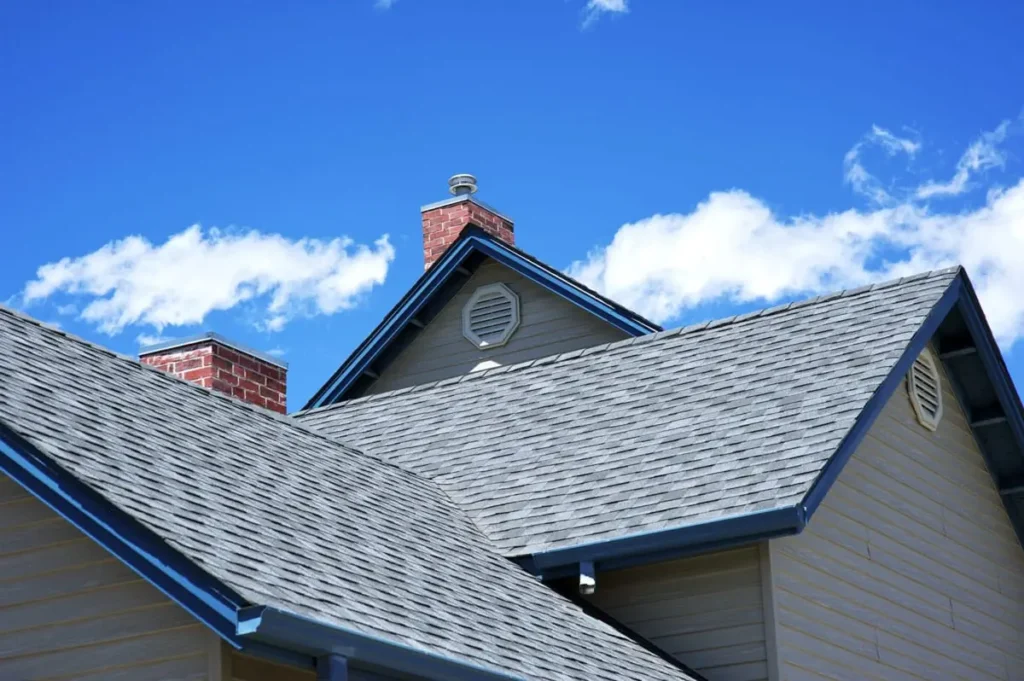
Idaho Falls Idaho Roofing Company

Types of Roof Valleys

Open Valleys — Open valleys use a visible metal channel to direct water. These highly durable systems can last for over 50 years and work well in areas with heavy rainfall or snow. 

Closed Valleys — In closed valleys, shingles cover the valley to create a more seamless look. While aesthetically pleasing, they require precise installation to prevent leaks. 

Woven Valleys — Woven valleys are created by interlacing shingles from both roof planes. This method works best for roofs that have a higher slope and 3-tab shingles, as lower slopes may start to leak. 

What style will work best for your home comes down to your roof build and whether you prefer a sleek appearance or optimal water drainage. 

Why Proper Installation Matters

If roof valleys aren’t installed correctly, they won’t be as effective. Poor workmanship can lead to leaks and water damage, rotting roof decking, mold and mildew growth, and even premature roof failure. 

To protect your home, you should always work with an experienced roofing professional who understands how to properly flash and seal valleys. 

Signs Your Roof Valleys May Need Attention

Keep an eye out for these warning signs:

  • Water stains on ceilings or walls
  • Visible rust or damage in metal valleys
  • Missing or deteriorating shingles near valleys
  • Debris buildup trapping moisture and causing water backup 
  • Sagging or dipping in the valley line
  • A significant accumulation of granules in your gutters 
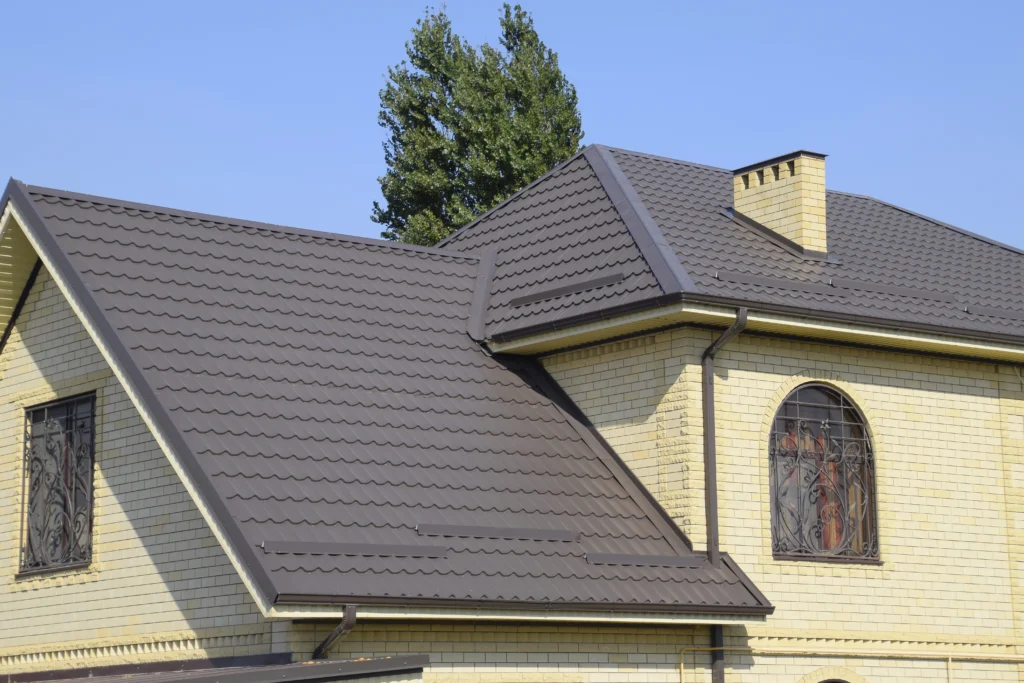
Idaho Falls Idaho Roofing Company

Addressing valley issues early can save you from more extensive and expensive repairs down the line. You should clean debris from your roof valleys regularly and have them professionally inspected twice a year, as well as after storms. 

Roof Valleys: The Unsung Heroes of Your Home

Roof valleys may not be a standout feature of your home, but they play a crucial role in protecting your property. By channeling water away, preventing leaks, and supporting overall roof performance, valleys ensure you have a durable, long-lasting roofing system. 

If you’re planning a roof replacement or inspection, make sure your contractor pays close attention to the valleys because when they fail, the rest of your roof may follow.
Filed Under: Roofing

How to Identify Attic Water Damage

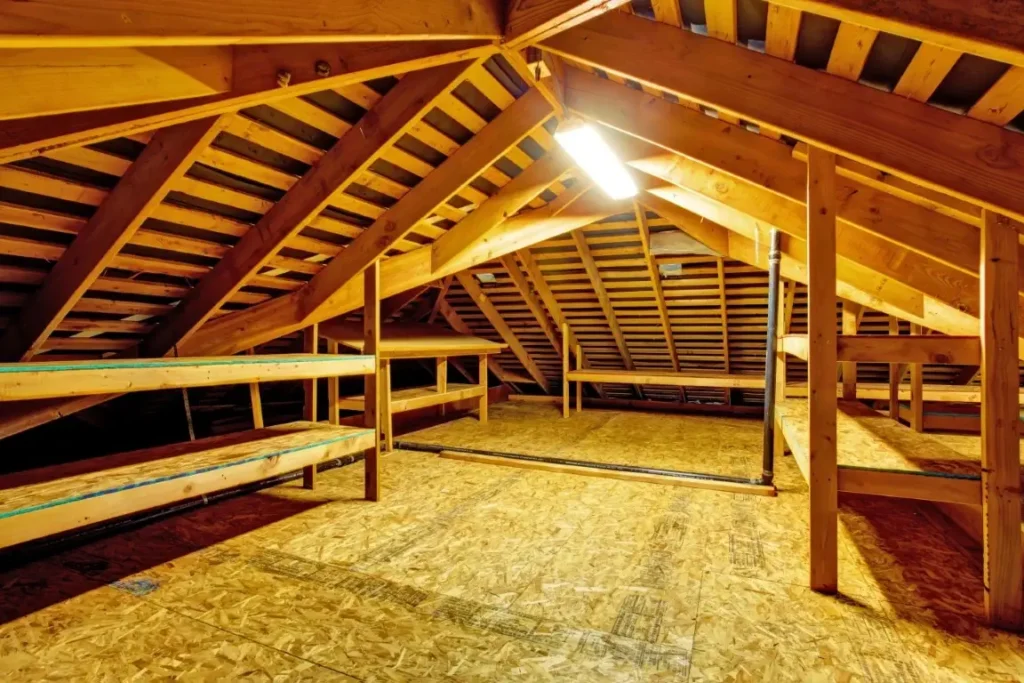
Your attic plays a critical role in protecting your home from the elements. However, this area often gets overlooked by homeowners. Because they rarely enter their attic, water damage can quietly develop for weeks, or even months, before it becomes obvious inside your living space. 

Below, we will discuss how to recognize the warning signs of attic water damage, so you can address small problems before they turn into costly structural repairs.  

Why Attic Water Damage Happens

Attic water damage is usually caused by cracked or failed flashing, damaged shingles, poor ventilation, clogged gutters, ice dams, condensation, or plumbing leaks. Even small openings in roofing materials can allow moisture to seep in during heavy rain or snowmelt. 

Over time, extra moisture can soak into insulation, weaken wood structures, and create the ideal environment for mold or mildew growth. Regular attic inspections, especially after storms or seasonal weather changes, can help you catch problems early. 

Musty or Damp Odors

When water starts seeping into your attic, it may produce a musty smell. Damp wood, insulation, and drywall can trap moisture and produce odors long before visible damage appears. 

If your attic smells earthy or damp when you enter, you could have a slow roof leak, condensation caused by poor ventilation, or hidden mold growth. 

Even if everything appears dry at first glance, that smell often indicates moisture hiding somewhere in the structure. 

Dark Stains on Wood or Insulation

Water that seeps into your attic often leaves stains on wood rafters, roof decking, or insulation. These stains may appear as dark brown or yellow patches, circular water marks, or discolored streaks along beams or sheathing. 

Stains may feel dry if the leak isn’t active, but they still indicate water has penetrated the area at some point. 

Damp or Compressed Insulation

Insulation is designed to stay fluffy and dry. When it becomes wet, it compresses and loses its ability to regulate temperature. 

Wet insulation may look damp, heavy, matted, or clumpy. It may also cause brown or yellow discoloration or mold growth on insulation surfaces. You may also discover higher energy bills, as your house is no longer insulated correctly.

Mold or Mildew Growth

Attics provide a dark, warm environment where mold thrives once moisture is present. If you have early mold growth, you may see black, green, or white spotting on wood surfaces, fuzzy or powdery patches, or dark discoloration spreading along rafters or roof boards. 

If you discover mold, you need to address not only the growth itself but also the underlying source of attic water damage.

Idaho Falls Idaho Roofing Company

Dripping or Frost on Nails and Metal

During colder months, warm indoor air rises into the attic and creates condensation on nails, metal fasteners, and roof components. Over time, this moisture can drip onto insulation and wood surfaces 

If you notice rust forming on nails, frost buildup in the winter, or water droplets on metal surfaces, you may be dealing with poor attic ventilation rather than a roof leak. 

Peeling Paint or Water Stains on Ceilings

Sometimes, you may notice attic moisture inside your home before the attic itself. Watch for ceiling stains or yellowish rings, bubbling or peeling paint, or sagging drywall. These signs could indicate that water has already traveled from the attic into the living space below.

Damaged Roof Decking

If the leak has been present for a long time, the wooden roof decking may begin to soften or warp. When inspecting your attic, look for warped or sagging wood panels, soft spots when gently pressed, or crumbling or deteriorating wood fibers.

Structural damage like this requires immediate attention to prevent larger roof issues.

Protecting Your Home from Attic Water Damage

Preventive maintenance is the best way to protect your attic — and the rest of your home. Consider these simple steps:

  • Inspect your attic at least twice a year
  • Check your roof after major storms
  • Keep gutters clean and properly draining 
  • Keep attic vents clear and functioning 
  • Repair roof damage promptly
Idaho Falls Idaho Roofing Company

Watch for Attic Water Damage

Your attic may be out of sight, but it shouldn’t be out of mind. Watch for musty odors, stained wood, damp insulation, or mold growth, as these often indicate moisture problems that need attention. Catching these early signs of water damage can prevent small leaks from turning into major structural issues. 

If you suspect attic water damage, addressing the source of the leak early can save you time, money, and stress, as well as protect the structural integrity of your home.

Filed Under: Roofing

Common Gutter Problems

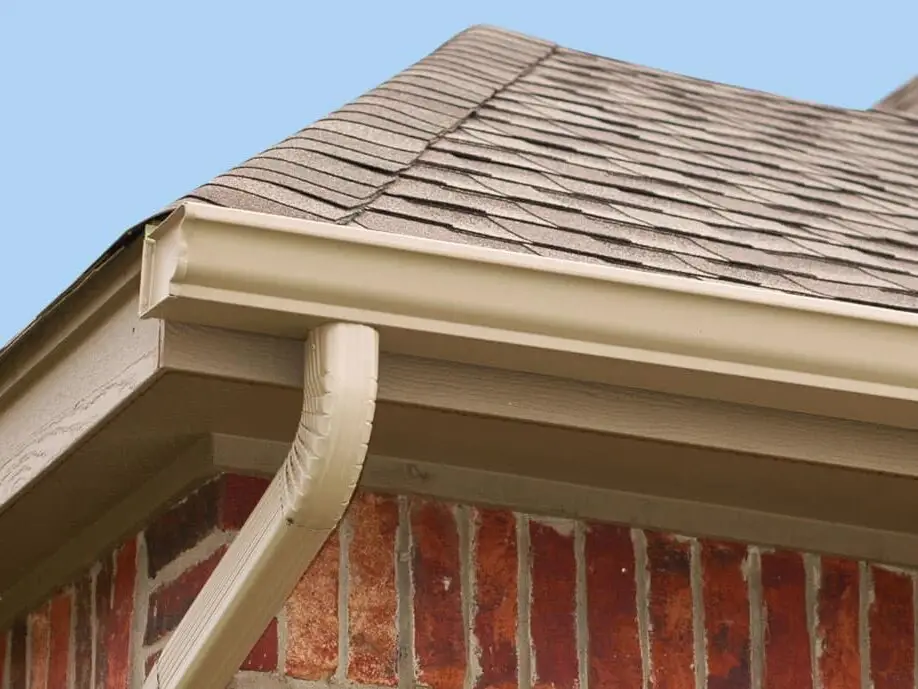
Your home’s gutter system plays an important role in protecting your home from water damage. When functioning properly, gutters direct rainwater away from your roof, siding, foundation, and landscaping. But when problems arise, even if they’re minor, they can quickly turn into costly repairs. 

Here are the most common gutter problems homeowners face, and what you can do to fix them. 

1. Clogged Gutters

Leaves, twigs, dirt, and debris build up inside your gutter, blocking water flow. Instead of draining properly, water overflows and spills down the sides of your home. 

When gutters become clogged, and water spills over the sides, it can cause:

  • Roof damage
  • Siding stains
  • Foundation cracks
  • Basement leaks
  • Landscape and soil erosion 
  • Pest infestations
  • Mold and mildew growth
  • Ice dams 

To fix clogged gutters, you should:

  • Remove debris by hand or with a gutter scoop
  • Flush the system with a garden hose 
  • Check that downspouts are clear
  • Consider installing gutter guards to reduce buildup 

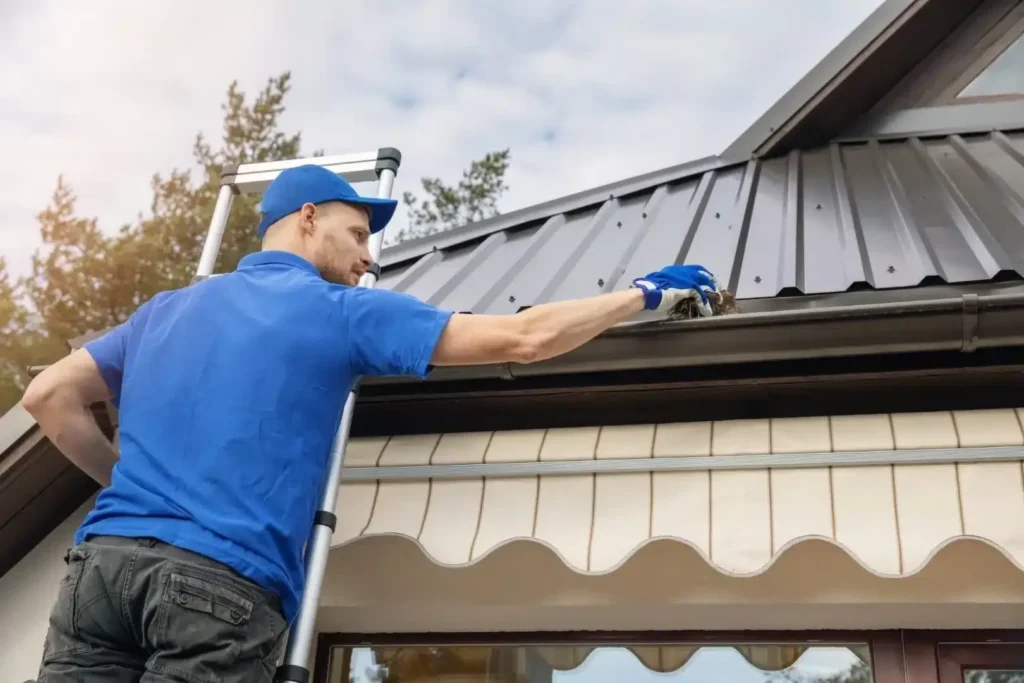
You should clean gutters at least twice per year, once in the spring and once in the fall. 

2. Sagging Gutters

Gutters can begin to pull away from the fascia board or droop in sections due to excessive debris weight, loose or damaged hangers, improper installation, or aging hardware. They can also pull away due to weather damage, rotten fascia boards, or clogged downspouts. 

To fix sagging gutters, you should:

  • Tighten or replace gutter hangers
  • Add additional supports every two to three feet if needed
  • Remove heavy debris buildup
  • Replaced severely warped sections
  • Seal any joints or leaks that may have occurred

3. Leaking Gutters

Gutters may leak water through seams, joints, or cracks in the gutter system due to rust, cracked sealant, separated joints, clogs, improper slope, or holes from corrosion. 

To fix leaky gutters:

  • Clean the leaking area thoroughly
  • Apply waterproof gutter sealant to small cracks
  • Replace rusted or damaged sections 
  • Tighten or replace loose or rusted hangers 
  • Upgrade to seamless gutters if leaks are frequent 

4. Improper Gutter Pitch

If you notice water pooling in sections instead of flowing toward the downspout, you may be dealing with improper gutter pitch. This can be caused by incorrect installation, shifting fascia boards, loose or broken hangers, foundation settling, or weather damage. 

To fix improper gutter pitch:

  • Adjust hangers to create a slight slope toward the downspout
  • Replace any bent or damaged hangers 
  • Clean out any debris in the gutters 
  • Call a professional if you need to re-level large sections

The standard pitch for gutters is about 1/4 inch for every 10 feet of gutter.

Idaho Falls Idaho Gutter Maintenance

5. Downspout Issues

Downspouts can become clogged or discharge water too close to your foundation. This can cause basement flooding, soil erosion, and foundation settling. 

To fix downspout issues:

  • Clear clogs with a hose or plumber’s snake
  • Install downspout extensions to move water four to six feet away from the house
  • Add splash blocks at the base 

6. Ice Dams (Cold Climates)

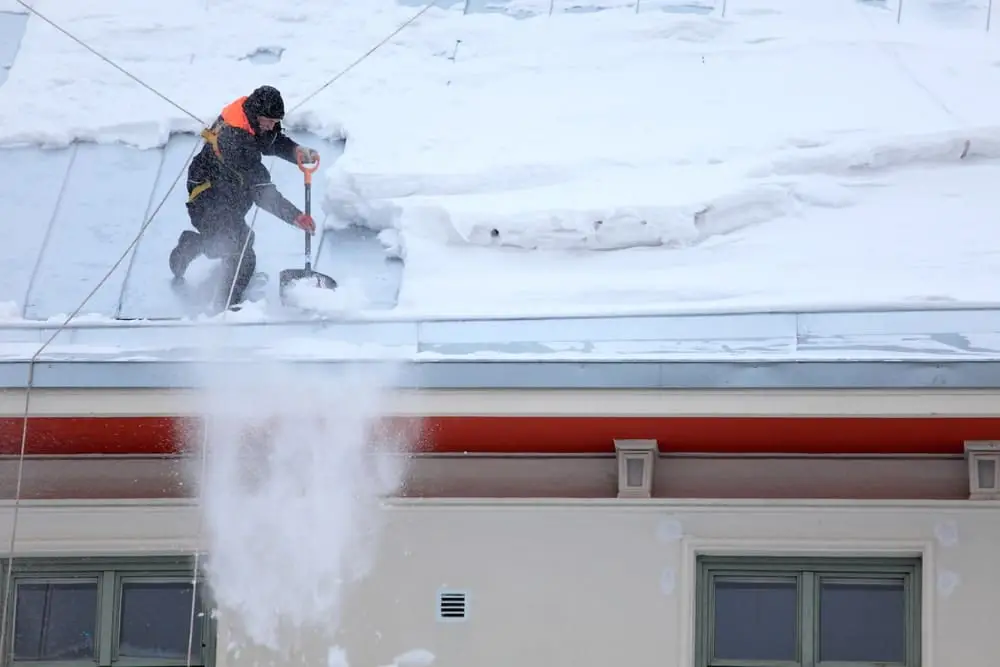
During the winter, water can freeze along the roof edge, creating ice dams, which can prevent proper drainage and force water under shingles. Ice dams can be caused by poor attic insulation, inadequate ventilation, and freeze-thaw cycles. 

Ice dams can cause water to back up and leak into the house, damaging insulation, drywall, and ceilings. 

To prevent ice dams, you should:

  • Improve attic insulation 
  • Ensure proper ventilation
  • Remove heavy snow buildup safely
  • Install heated gutter cables if necessary

7. Rust and Corrosion

Metal gutters can rust over time, especially if standing water or moisture is present. 

How to fix it:

  • Sand away minor rust spots
  • Apply rust-resistant primer and paint
  • Replace severely corroded sections
  • Consider upgrading to aluminum or vinyl gutters

When to Call a Professional

While many gutter problems can be handled with basic tools, some situations require professional help, such as:

  • Major sagging or detachment
  • Structural fascia damage
  • Recurring leaks
  • Full system replacement
  • Multi-story homes where ladder safety is a concern 

Professional inspections can also identify hidden issues before they become expensive repairs. 

Preventive Maintenance Tips

Performing regular maintenance will help you avoid most major gutter problems. You should:

Idaho Falls Idaho Gutter Maintenance
  • Clean gutters twice a year
  • Inspect them after heavy storms
  • Check for loose hardware
  • Ensure proper water flow
  • Trim back overhanging tree branches

Take Care of Your Gutters to Protect Your Home 

Gutters may not be the most prominent part of your home, but they have the important job of protecting your property from water damage. Addressing small issues early can prevent significant damage to your roof, foundation, and landscaping. 

With routine maintenance and timely repairs, you can avoid gutter problems and keep your system functioning properly for years to come. 

Filed Under: Roofing

  • 1
  • 2
  • 3
  • …
  • 18
  • Next Page »

Hours

Premier Roofing & Restorations

1920 E 17th St. Suite 203
Idaho Falls, ID 83404

208-351-5340

Pocatello: 208-269-9953

MONDAY 9:00 AM - 6:00 PM
TUESDAY 9:00 AM - 6:00 PM
WEDNESDAY 9:00 AM - 6:00 PM
THURSDAY 9:00 AM - 6:00 PM
FRIDAY 9:00 AM - 4:00 PM
SATURDAY CLOSED
SUNDAY CLOSED

Directions

Contact Us

  • This field is for validation purposes and should be left unchanged.

2026 | Premier Roofing & Restorations | All Rights Reserved | Privacy Policy | Terms | XML Sitemap | Sitemap | Site by PDM