Idaho Falls Idaho Premier Roofing & Restoration

Premier Roofing & Restorations

208-351-5340 Free Estimates
  • Roofing
    • New Roofing
    • Roof Replacement
    • Gutters
  • Service Area
  • About Us
    • Blog
    • FAQ
  • Contact Us

When Is It Better to Repair vs. Replace Your Roof?

Home | Archives for | Page 2

When Is It Better to Repair vs. Replace Your Roof?

Your roof is one of the most important parts of your home. It protects it from rain, snow, wind, and any other weather elements. When problems arise, such as leaks, missing shingles, or storm damage, homeowners have to decide whether they should repair the roof or replace it entirely. The best decision depends on several factors, including the roof’s age, the extent of the damage, and the long-term plans for the home. 

Here’s how to tell which option you should choose for your situation. 

When Roof Repair Is the Better Option

In many cases, a roof repair can safely extend the life of your roof without the cost of a full replacement. You should consider a repair if: 

1. The Damage is Minor and Isolated 

Repairs are usually sufficient if the issue is limited to a small area, such as:

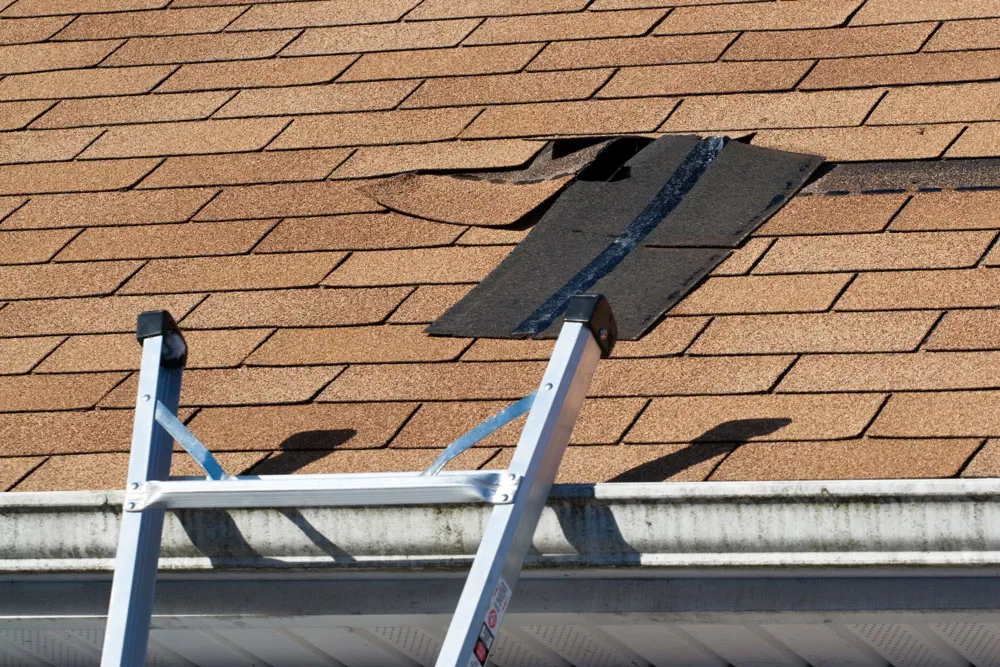
  • A few missing or cracked shingles
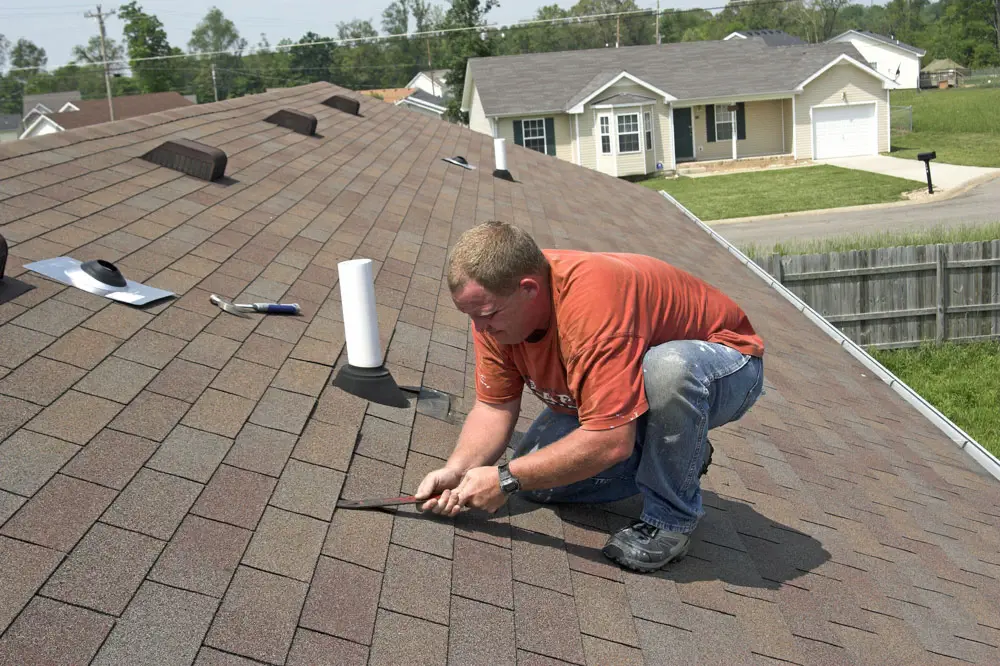
  • Minor flashing damage around chimneys or vents
  • A small leak caused by wind or debris 

If the rest of your roof is in good condition, targeted repairs can resolve the problem quickly and affordably. 

2. Your Roof Is Relatively New

Most roofing materials last 20 to 30 years (or longer). If your roof is still within the first half of its expected lifespan and hasn’t had recurring issues, repairs are often the most cost-effective solution. 

3. A Specific Event Caused the Damage

Storms, fallen branches, or high winds can cause sudden damage. If the roof was otherwise performing well before the event, it can be restored with repairs rather than a replacement. 

4. Budget Is a Short-Term Concern

If you need a safe and functional roof now, but replacement isn’t financially feasible at the moment, repairs can buy you time, especially when paired with regular inspections and maintenance. 

When Roof Replacement Makes More Sense

Sometimes, repairs only provide a temporary fix and can cost you more in the long run. You should consider a replacement if:

1. Your Roof is Nearing the End of Its Lifespan 

If your roof is over 20 years old and showing signs of wear, frequent repairs may not be worth the investment. Aging materials lose effectiveness, putting you at a bigger risk for new problems. 
Idaho Falls Idaho Roofing Company

2. Damage is Widespread 

Replacement is often the better choice when:

  • Leaks appear in multiple areas
  • Shingles are curling, blistering, or missing across large sections
  • The roof deck shows signs of rot or sagging 

Widespread damage (over 20 to 30%) usually indicates systemic issues rather than isolated problems. 

3. You’re Dealing With Recurring Repairs

If you’ve repaired your roof multiple times in recent years, those costs can add up quickly. A full replacement can provide long-term peace of mind and eliminate ongoing patchwork fixes. Consider this option when repair costs exceed 30% of the cost of a new roof. 

4. You’re Planning to Sell Your Home

A new roof can significantly boost curb appeal and buyer confidence. If your existing roof looks visibly worn or is nearing failure, a full replacement may improve resale value and help you avoid negotiations or concessions during the sale. 

Key Factors to Consider Before Deciding

Before choosing repair or replacement, consider:

  • Age of the roof
  • Extent and location of damage
  • Cost comparison (short-term vs. long-term)
  • Energy efficiency concerns
  • Future plans for the home

If you’re unsure which steps to take, consider scheduling a roof inspection. A professional inspector can identify hidden damage and provide a clear recommendation based on your roof’s condition. This will help you make the best decision. 

What a Roofing Quote Should Include 

When hiring contractors for roofing, you should know the following before work starts:

  • The type of roofing material that will be used (brand, style, grade, and color)
  • The estimated timeline for the work to be completed 
  • How many workers will be on site
  • The cleanup and disposal process and fees
  • Any additional costs, such as permits or repairs that need to be made before installing the new roof
  • The payment schedule and any upfront costs needed 
Idaho Falls Idaho Roofing Company

A thorough, written quote and breakdown protects you from unexpected charges and changes later on. 

The Bottom Line

Roof repairs are ideal for minor, isolated issues on newer roofs, while replacement is often the smarter investment for older roofs or widespread damage. Making the right choice saves you money, protects your home, and prevents future headaches.

If you’re unsure which option is best, consulting a trusted roofing professional can help you make an informed decision and ensure your roof continues to protect your home for years to come. 
Filed Under: Roofing

Mistakes to Avoid When Hiring a Roofing Contractor

Your roof plays an important role in the safety and comfort of your home, it protects your family, belongings, and structure from the elements. So, when you need to repair or replace it, it’s critical to hire a trustworthy roofing contractor. Unfortunately, many homeowners make avoidable mistakes that can lead to poor workmanship, costly repairs, or even safety issues down the road. 

Here are some common traps to look out for when hiring a roofing contractor. 

1. Choosing the Lowest Bid Just Because It’s Cheaper

You may feel tempted to pick the contractor offering the lowest price, especially because roofing work can be expensive. But rock-bottom bids often signal trouble. Low pricing may mean:

  • Cheap materials
  • Unskilled labor
  • Missing steps during installation
  • No warranty or poor warranty coverage

Look for a balance between fair pricing and proven quality. A reputable company will offer a competitive bid, not a suspiciously cheap one. They will also not demand full payment up front before starting work. 

Note: It’s a good idea to obtain at least three bids to help you understand market rates and avoid settling for the lowest or highest price.

2. Not Checking Licensing and Insurance

One of the biggest mistakes homeowners make is assuming a contractor is licensed and insured. If they’re not, you could be liable for injuries, damages, or shoddy workmanship. Always confirm: 

  • State contractor license
  • General liability insurance
  • Workers’ compensation insurance

A reliable contractor will provide documentation without hesitation. 

3. Failing to Research Reviews and Reputation

A polished website doesn’t guarantee good workmanship. Failing to check third-party reviews, references, or the contractor’s track record can lead to unpleasant surprises. Before hiring, look at:

  • Google and Yelp reviews
  • Better Business Bureau rating
  • Local Facebook community groups
  • Photos of past projects
  • References from recent clients

When hiring someone to protect your home, do your homework. Don’t rely on what they tell you about their work and reputation.

4. Not Getting a Written, Detailed Estimate

Idaho Falls Idaho Roofing Company

A vague, verbal estimate is a major red flag. Without a written breakdown, you can’t compare bids or protect yourself from unexpected charges later. Your written proposal should include:

  • Material being used (brand, style, grade, color)
  • Labor costs
  • Cleanup and disposal fees
  • Timeline for completion
  • Warranty details 
  • Payment schedule 

Remember, if it’s not in writing, it doesn’t count. Also, you should always read the contract thoroughly before signing to ensure nothing is left out.

5. Ignoring the Warranty

Not all warranties are created equal, and some contractors may not offer them at all. Homeowners often assume their roof is protected, only to find out later that some issues aren’t covered. Pay attention to:

  • Manufacturer warranty (covers materials)
  • Workmanship warranty (covers installation mistakes)
  • Length and what’s included/excluded

A trustworthy roofer stands behind their work. 

6. Hiring a Storm Chaser or High-Pressure Salesperson

After major storms, out-of-town contractors often flood neighborhoods offering quick, cheap repairs. Some are legitimate, but may disappear once they finish the job, leaving homeowners with poor workmanship and no support. Avoid anyone who:

  • Pressures you into signing immediately
  • Can’t provide local references
  • Won’t share proof of insurance
  • Shows up unsolicited 
  • Requests unusually large deposits upfront 

Stick to established, local companies with a proven presence in your community to avoid any mistakes.

7. Not Asking About the Crew

Homeowners often assume the contractor they meet is the one doing the work, but that’s not always the case. Some companies hire subcontractors with varying skill levels. Ask whether they:

  • Use their own trained crew
  • If they hire subcontractors, how they are vetted
  • Who supervises the job
  • Who you should contact during the project

Clear communication prevents mistakes and ensures accountability. 

8. Overlooking Cleanup and Disposal

Roofing can be messy. If cleanup isn’t included in the contract, you may end up with nails, debris, and leftover shingles scattered around your property. 

Confirm that cleanup includes: 

  • Magnetic nail sweeping
  • Removal of old shingles and waste
  • Protection of landscaping
  • Daily site cleanup 

A professional roof will leave your home in better shape, not worse. 

Idaho Falls Idaho Roofing Company

When Hiring a Roofing Contractor, Don’t Rush the Process

Hiring a roofing contractor doesn’t have to be stressful, but it does require careful evaluation. By avoiding common mistakes, such as choosing based on price, skipping research, or neglecting written documentation, you can protect your home, your wallet, and your peace of mind. 

A reputable roofing contractor will communicate clearly, provide detailed estimates, and stand behind their work from start to finish. With the right choice, you’ll enjoy a long-lasting roof and peace of mind knowing your home is in good hands. 

Filed Under: Roofing

Winter roofing Preventing winter roof damage idaho falls premier roofing services

As temperatures drop and snow begins to pile up, your roof faces one of its toughest tests of the year. Winter weather can take a serious toll, causing leaks, ice dams, and even structural damage if not addressed. Fortunately, with a little winter roofing preparation and maintenance, you can protect your roof from the worst that winter has to offer. 

1. Watch Out for Ice Dams 

Ice dams form when heat from your home escapes into the attic and melts the snow on your roof, which then runs down your roof then refreezes along the eaves. This creates a barrier that traps melting water, allowing it to seep under shingles and into your attic and cause leaks into ceilings, walls, and insulation. 

Prevention Tips

Keep your attic properly insulated and ventilated to maintain a consistent temperature across the roof. Caulk or use spray foam to seal any gaps where warm air can leak into the attic from the living space below, and make sure gutters are clear of leaves and debris. 

You can also use heat cables along the edges to help melt ice buildup safely. 

2. Clear Snow Before It Builds Up

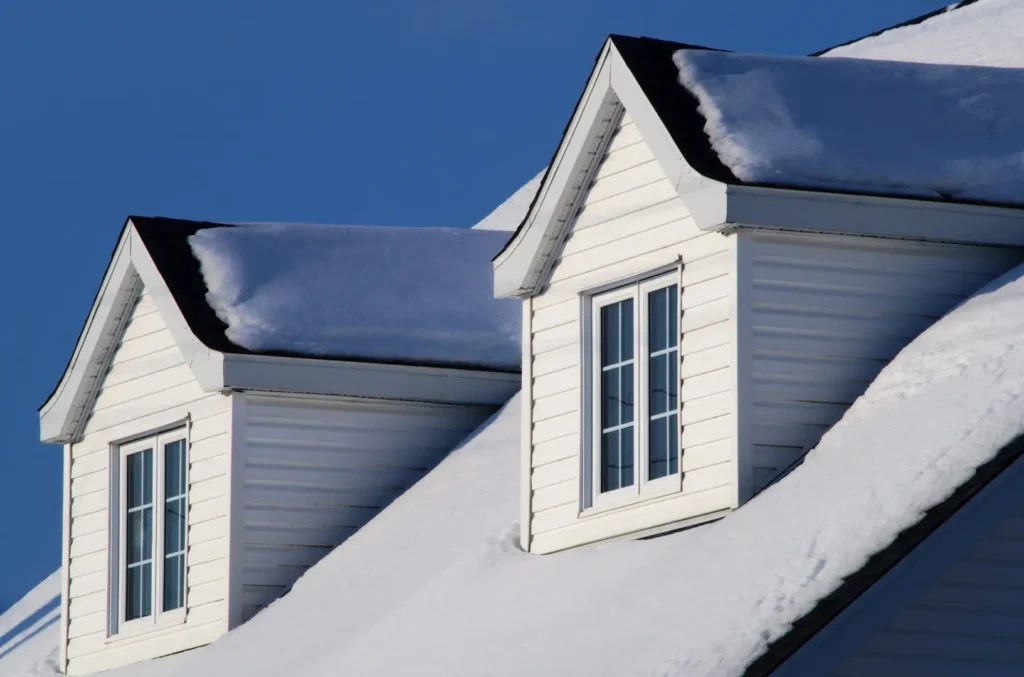
A heavy snow load can stress your roof’s structure and even cause sagging or collapse in extreme cases. If your roof is already poorly constructed or has poor drainage, it could crack or sag, even under light loads of snow. 

Prevention Tips 

Use a roof rake or hire a professional to safely remove excess snow, especially after large storms. Never use metal tools that could damage shingles. Additionally, monitor your walls for new cracks, sagging drywall, or popping sounds, as these could indicate roof stress. 

3. Inspect Flashing and Gutters

Flashing and gutters play a critical role in directing water away from your home and protecting important roof features, such as vents, chimneys, and skylights. Cracked flashing or clogged gutters can lead to leaks, water pooling, and ice buildup (or ice dams).

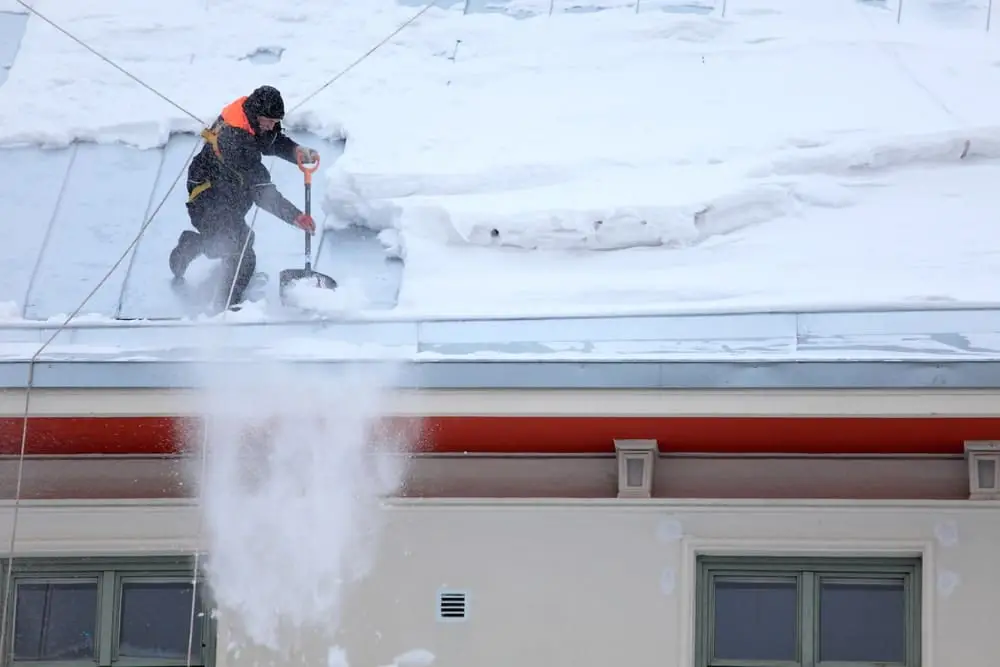
Pocatello roofing contractor working on snowy roof

Prevention Tips 

Before winter sets in, inspect and repair any damaged flashing around vents, chimneys, and skylights. Clean fallen leaves and other debris out of gutters to ensure melting snow can drain freely. In addition, check downspouts and ensure they are extended away from your foundation to reduce water pooling and ice formation. 

4. Address Attic Condensation 

Warm indoor air can rise into the attic and condense on cold surfaces, creating moisture that leads to mold, rot, and weakened wood structures, as well as health risks for those living in the home. 

Prevention Tips 

Seal attic air leaks with caulk or foam, check insulation levels, and make sure vents remain unblocked so moisture can escape. 

5. Schedule a Winter Roof Inspection

Even minor issues — like a missing shingle or a small leak — can turn into major problems under snow and ice buildup.

Prevention Tips

Have a professional roofing contractor inspect your roof before and during winter to catch problems early and make quick repairs. They will typically check for:

  • Loose or missing shingles
  • Damaged flashing around chimneys or skylights
  • Ice dam or moisture damage in the attic
  • Signs of sagging or water infiltration

6. Protect Your Roof from Wind 

Brisk, intense winds during the winter can lift and tear shingles, damage flashing, expose granules, and knock down tree limbs that can fall onto your roof and cause significant damage. 

Prevention Tips 

Before winter arrives, trim back any tree branches hanging over your home and remove dead ones. Invest in quality shingles that have a warranty and will handle heavy wind speeds. 

Signs of Roof Damage 

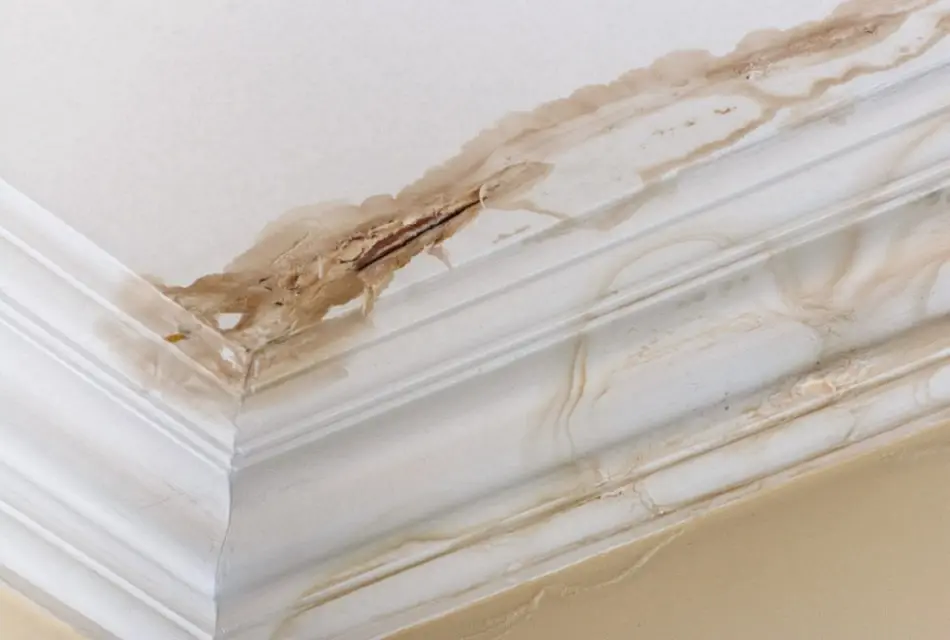
ceiling with stain from roof leak Idaho Falls, ID

Some signs of roof damage can be easy to spot, while others can be more hidden. Watch for:

Shingle Damage — Cracked, curled, warped, or missing shingles could be a sign of an aging roof.

Granule Loss — Roof particles in your gutters or downspouts could be a sign of aging shingles that are starting to break down. 

Damaged Flashing — Cracked, rusted, or improperly sealed flashing around chimneys, vents, and skylights could mean you have a leak in your attic. 

Water Stains and Mold Growth — Discolored spots or mold growth on interior ceilings or walls could indicate a roof leak. 

Musty Smells — An unexplained musty smell in your attic could be a sign of a leak or moisture buildup. 

Don’t Let Winter Win

Your roof is your home’s first line of defense against harsh winter weather. Taking time to inspect, maintain, and prepare can save you from costly repairs and stressful damage later on. If you notice signs of ice buildup, leaks, or sagging, don’t wait — call a professional to assess and fix the issue before it worsens. 

Filed Under: Roofing

  • « Previous Page
  • 1
  • 2
  • 3
  • 4
  • …
  • 18
  • Next Page »

Hours

Premier Roofing & Restorations

1920 E 17th St. Suite 203
Idaho Falls, ID 83404

208-351-5340

Pocatello: 208-269-9953

MONDAY 9:00 AM - 6:00 PM
TUESDAY 9:00 AM - 6:00 PM
WEDNESDAY 9:00 AM - 6:00 PM
THURSDAY 9:00 AM - 6:00 PM
FRIDAY 9:00 AM - 4:00 PM
SATURDAY CLOSED
SUNDAY CLOSED

Directions

Contact Us

  • This field is for validation purposes and should be left unchanged.

2026 | Premier Roofing & Restorations | All Rights Reserved | Privacy Policy | Terms | XML Sitemap | Sitemap | Site by PDM