Idaho Falls Idaho Premier Roofing & Restoration

Premier Roofing & Restorations

208-351-5340 Free Estimates
  • Roofing
    • New Roofing
    • Roof Replacement
    • Gutters
  • Service Area
  • About Us
    • Blog
    • FAQ
  • Contact Us

Keep the Leaves Out: How to Protect Your Roof and Gutters

Home | Archives for | Page 3

How to Protect Your Roof and Gutters from Falling Leaves

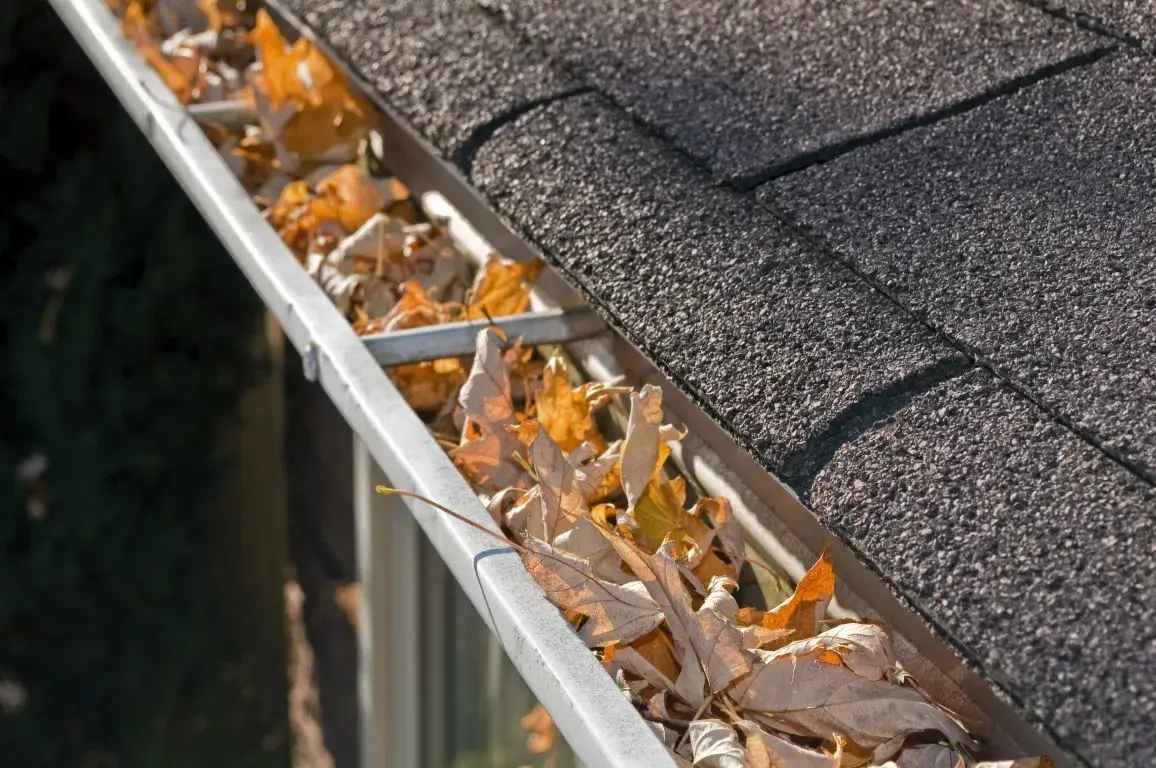
Make sure to protect your roof because as the leaves start to change color and drift from the trees, they create a beautiful fall scene, but they can also create serious problems for your roof and gutters. Many homeowners face issues during this time of year, such as clogged gutters, trapped moisture, and roof damage. Fortunately, taking a few preventive steps can save you from costly repairs and keep your home protected all season long. 

Dangers of Leaf Debris 

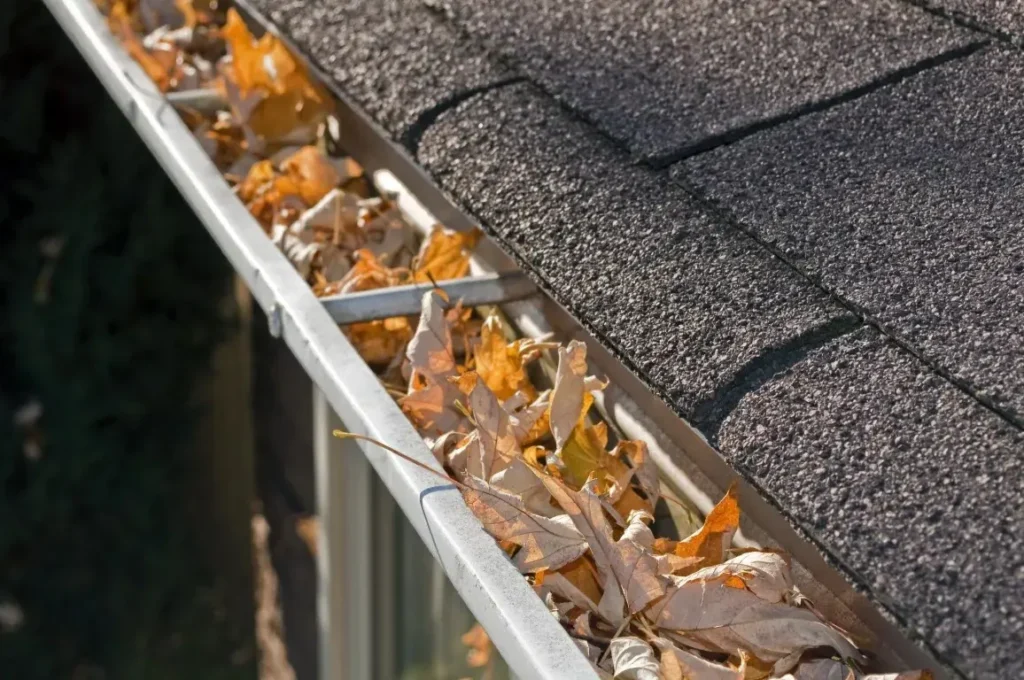
Fallen leaves don’t just create a wet, unsightly mess; they also build up on your roof and in your gutters. When leaves accumulate in your gutters, they can become clogged and prevent rainwater from flowing away from your house, as well as affect downspouts. This can lead to:

  • Standing water near your home’s foundation, which can lead to soil erosion, basement moisture, and cracks.
  • Water running down the siding and windows.
  • Water backup under shingles, where it can seep into the roof’s structure and cause leaks.

When leaves pile up on your roof, you could create the perfect damp environment for mold, mildew, and rot, which can weaken the roof over time. Your shingles can deteriorate faster, leading to leaks that can seep into your attic and into your home. Wet leaves can also put extra weight and strain on your roof. 

Clogged gutters and lead buildup can trap water, which freezes and forms ice dams. This ridge of ice along the edge of the roof can prevent melting snow from draining properly and cause damage to your roof. 

Wet leave buildup also attracts insects and other pests that could damage your gutters and roof and cause an unsanitary environment. 

How to Protect Your Roof and Gutters Safe from Fall Leaves

1. Clean Your Gutters Regularly 

Leaves, twigs, and debris can quickly fill your gutters once fall arrives. When gutters become clogged, rainwater has nowhere to go and can overflow, damaging your roof, siding, and foundation. You should clean your gutters at least twice during the fall, once early in the season and again after the majority of leaves have fallen. 

Note: Don’t forget about your downspouts. They need to be clear as well to ensure water flows freely away from your home. 
How to Protect Your Roof and Gutters from Falling Leaves

2. Install Gutter Guards

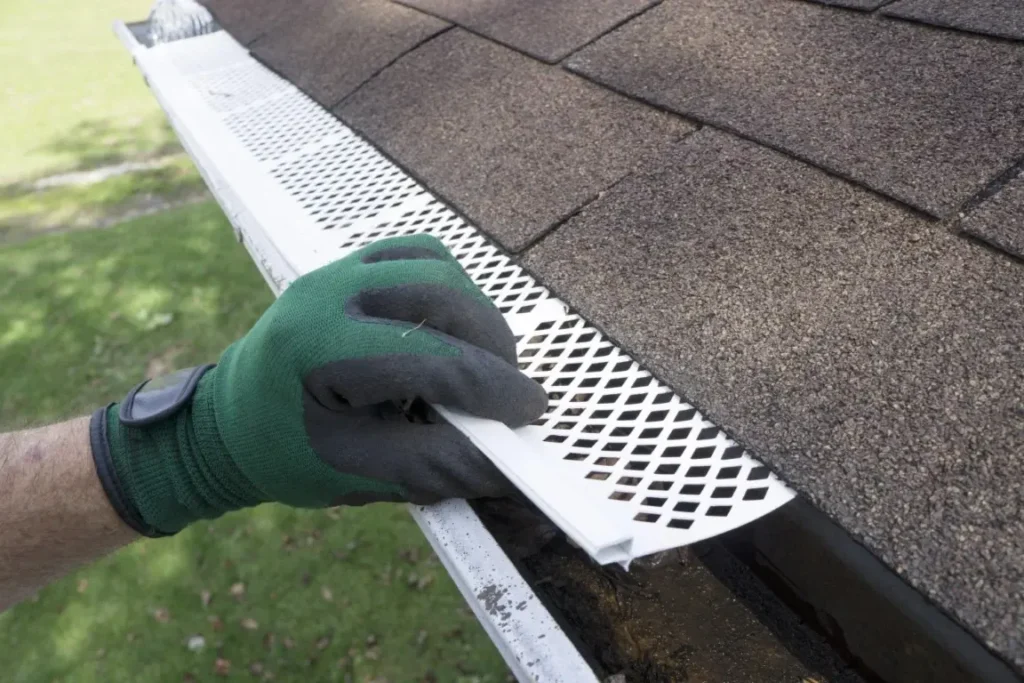
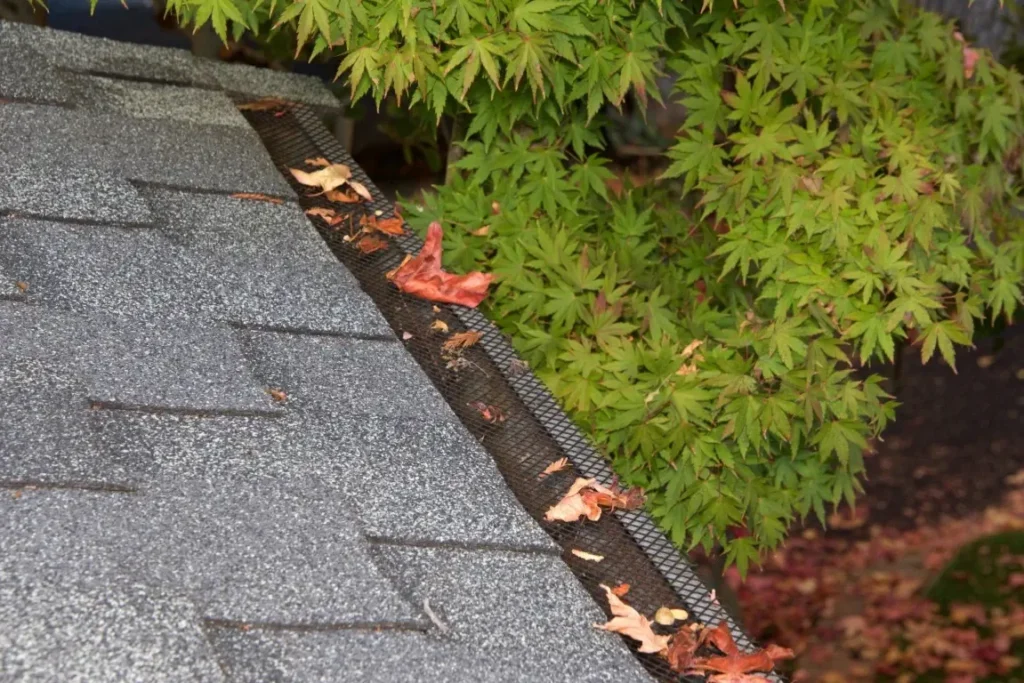
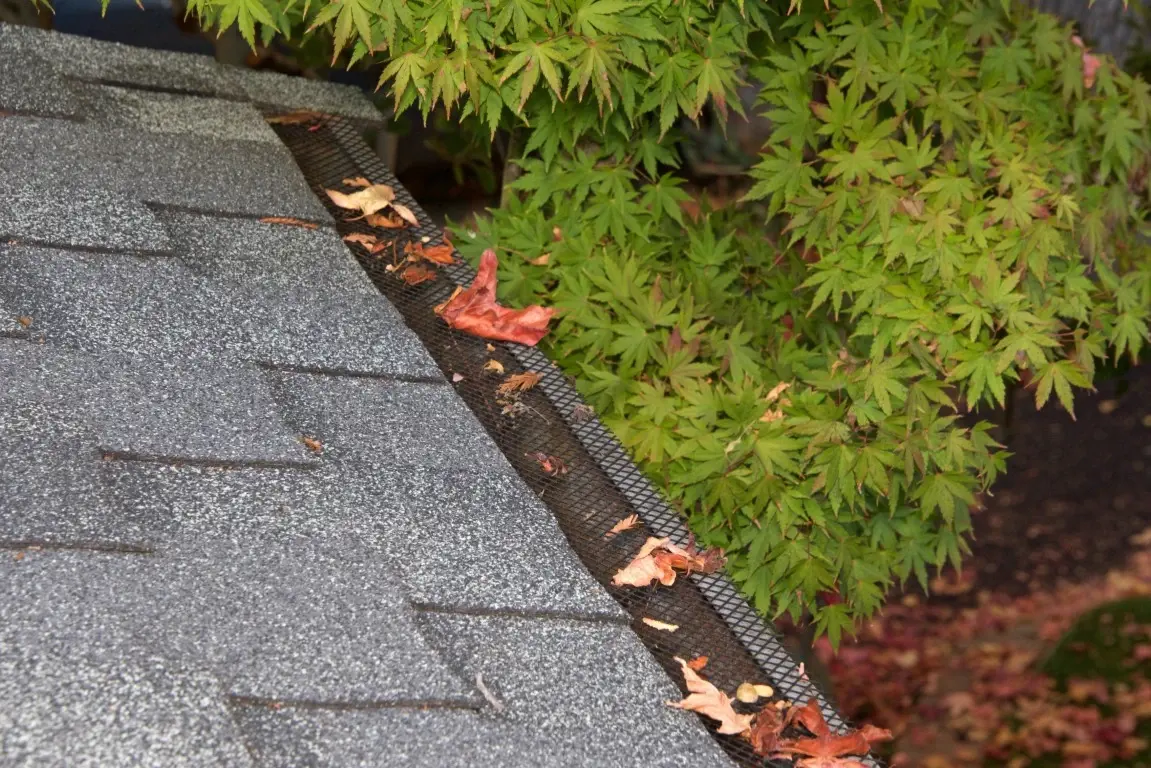
If you don’t like the idea of cleaning your gutters multiple times a season, consider investing in gutter guards. These systems keep out most debris while still allowing water to flow through. They require less maintenance, reduce clogs, and extend the lifespan of your gutters. Options include:

  • Mesh screens
  • Reverse curve systems
  • Foam inserts
  • Brush inserts
  • Micro-mesh systems

Note: Have a professional inspect your gutters before installation to ensure they’re properly pitched and in good condition. 

3. Trim Overhanging Branches

When branches hang over your roof, they not only drop leaves but also scrape shingles or break off during storms. Trim back trees to keep branches at least 6 to 10 feet from your roof to reduce leaf buildup and protect your shingles from damage. 

4. Check for Roof Debris 

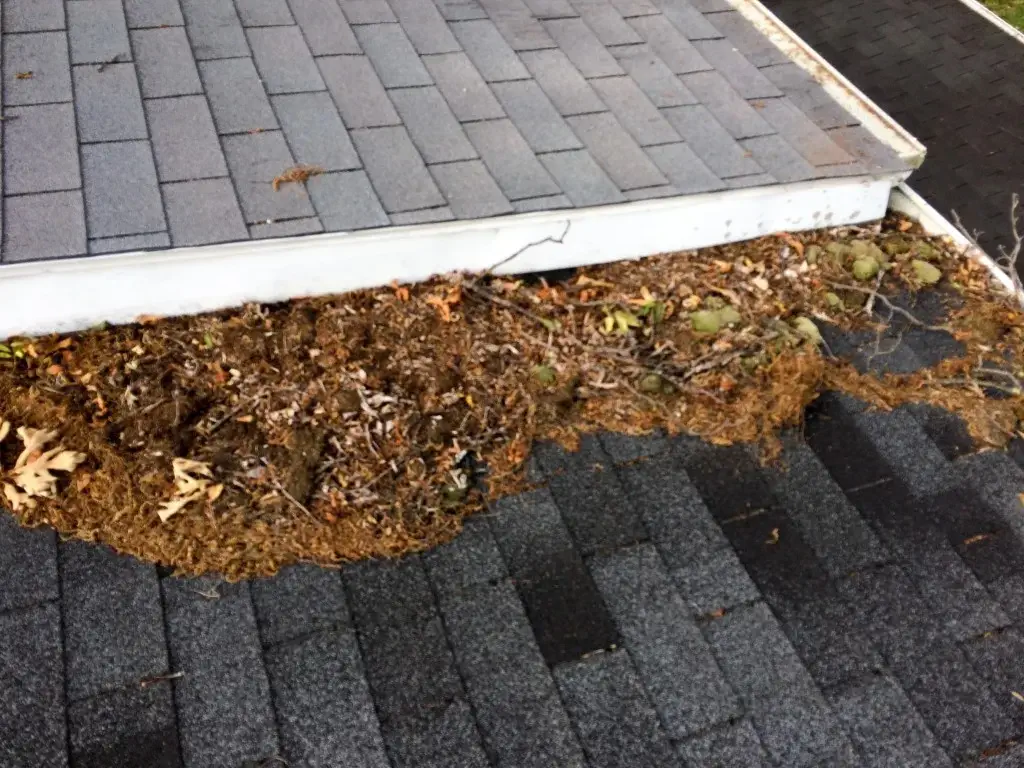
Leaves don’t just collect in gutters; they can also pile up in roof valleys or around chimneys and vents. When wet, they hold moisture that can lead ot mold, rot, or shingle deterioration. Safely remove leaves using a leaf blower or a soft broom (never use a pressure washer on shingles). If you don’t feel safe cleaning your roof or if it has steep slopes or multiple levels, consider hiring a professional. 

5. Schedule a Roof Inspection

Fall is the perfect time for a professional roof inspection before winter weather hits. A roofer can check for loose shingles, damaged flashing, and other issues that might worsen under heavy rain or snow. Catching small problems early can prevent expensive leaks and ice dams later. 

6. Ensure Proper Attic Ventilation 

Good ventilation helps prevent heat and moisture buildup in your attic, which can shorten your roof’s lifespan. Falling leaves can sometimes block vents and soffits, so make sure they remain clear and unobstructed. 
How to Protect Your Roof and Gutters from Falling Leaves

7. Seal Gaps and Cracks 

In addition to staying on top of your roof and gutters, inspect your home’s exterior, including windows and doors, for cracks or gaps. Seal any entry points to help prevent drafts, moisture, and leaf debris from sneaking into your home. 

Stay on top of Leaf Debris This Fall

A little fall maintenance can go a long way to protect your roof and gutters from seasonal damage. Regular cleaning, trimming, and inspections help your roofing remain structurally sound and keep your home safe through the beautiful changing of the seasons that Idaho has to offer.

Filed Under: Roofing

roof flashing

When it comes to protecting your home from the elements, your roof is your first defense. But did you know there’s a small, often overlooked component that plays a critical role in keeping water out of your home? That component is roof flashing. Without it, even the best shingles or roofing materials can fail to keep your home dry and safe. 

What Is Roof Flashing?

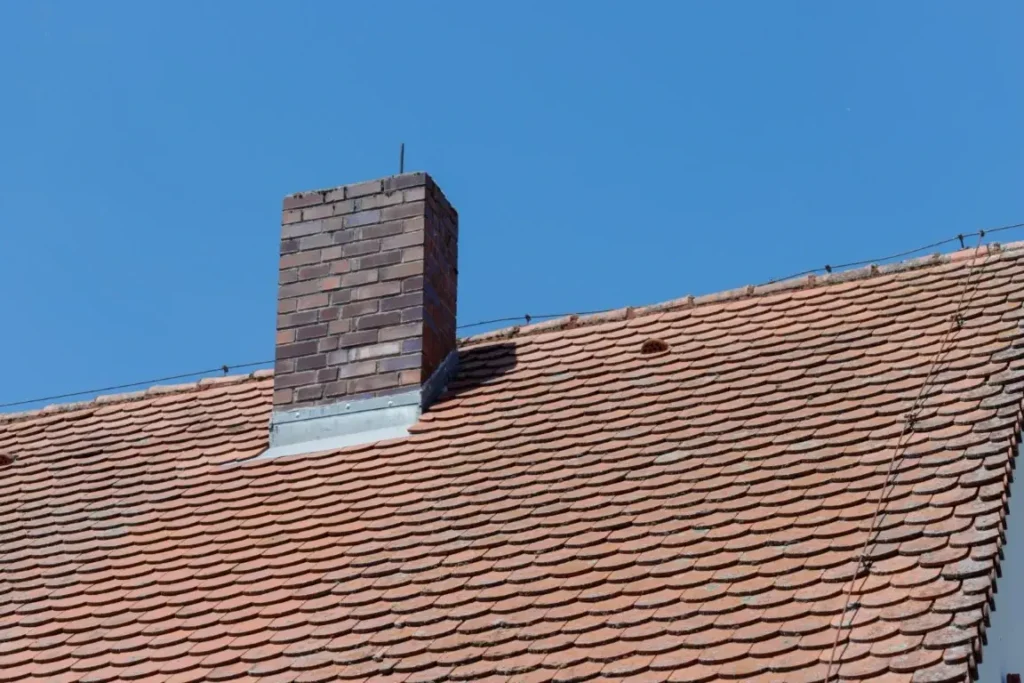
Roof flashing is a thin sheet of metal, commonly made from aluminum, copper, or galvanized steel, installed around the joints, edges, and penetrations of your roof. It’s there to direct water away from vulnerable areas where leaks are most likely to occur, such as chimneys, skylights, and vents, as well as valleys where two roof planes meet. 

Flashing is your foof’s unsung hero. It fills the gaps that shingles alone can’t cover, providing a watertight seal in areas that are naturally more exposed. 

Types of Flashing 

There are a few different types of roof flashing that are strategically placed in several key areas:

Drip Edge Flashing — This is a thin metal piece attached to the fascia board at the roof’s edge, underneath the shingles, to prevent water from seeping under the shingles and back onto the roof deck. 

Step Flashing — Step flashing includes L-shaped metal pieces installed in a staggered pattern at the intersection of a roof and a vertical wall (like a chimney or wall). Water runs down the roof, onto the top shingle, then onto the step flashing, which directs it onto the shingle below.

Counter Flashing — This flashing is placed on top of the step flashing to provide a waterproof seal against vertical surfaces, especially masonry. It’s often cut into the mortar joints of a brick wall. 

Valley Flashing — Installed in the V-shaped channel where two roof slopes meet, directing water efficiently into the gutters. 

Skylight Flashing — Skylight flashing is designed to weatherproof the junction between the roof covering material and the skylight or roof window. 

Kickout Flashing — This specialized type of flashing extends from the end of the step flashing at the roof’s edge and diverts water away from the wall and into the gutter. 

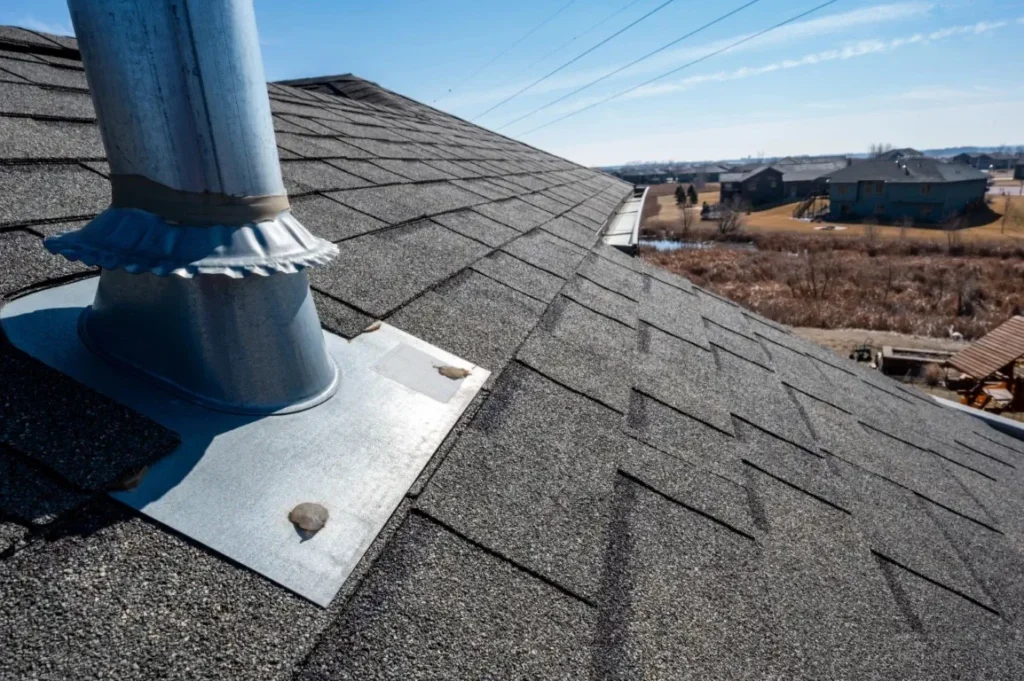
Vent Flashing — This is a conical or square-shaped flashing fitted around the base of pipes, ducts, or other roof penetrations to create a watertight seal. 

Roof Flashing Explained: What It Is and Why It Matters

Chimney Flashing — Chimney flashing is a complex system that often combines base and counter flashing to create a watertight seal where the chimney meets the roof. 

Why Roof Flashing Matters

Flashing may be small and unassuming, but it’s essential for the longevity and integrity of your roof. Here’s why:

Prevents Leaks — Flashing directs water away from vulnerable areas, helping you avoid costly water damage inside your home. 

Protects Against Rot and Mold — By keeping moisture out, it prevents rot in your roof deck and mold growth in your attic, protecting your home’s air quality and your family’s health.

Extends Roof Lifespan — With proper flashing, your roof materials will last longer since water won’t be sneaking into hidden spaces. 

Preserves Structural Integrity — Flashing helps protect not just your roof, but your home’s overall structure from water intrusion. 

Boosts Energy Efficiency — A well-sealed home with properly installed flashing prevents drafts and air leaks, reducing the workload on your heating and cooling systems and lowering utility bills. 

Signs Your Flashing May Need Attention

Like any part of your roof, flashing can wear down over time. Watch for these warning signs:

  • Rust, corrosion, or visible cracks in the metal.
  • Loose or missing sections around chimneys or vents.
  • Damp spots or the presence of mold, especially near the base of chimneys, vents, and skylights. 
  • Water stains on your ceiling or walls.
  • Shingles curling up near roof valleys or edges. 
  • Cracks or holes creating entry points for water. 
  • Peeling, cracking, or missing sealants around the flashing. 
  • Flashing pulling away from the roof surface or surrounding structures. 
  • Roof leaks during heavy rain. 
Roof Flashing Explained: What It Is and Why It Matters

When scheduling an annual roof inspection, make sure they check that your roof flashing is in good condition and keeping moisture out of your home. 

Roof Flashing: The Key to A Dry, Safe House 

Roof flashing may not get as much attention as shingles or gutters, but it’s one of the most important defenses your home has against water damage. By sealing vulnerable areas and directing water away from weak spots, flashing protects your roof, your attic, and your home’s structural integrity. Keeping it in good condition through regular inspections and timely repairs will save you from costly leaks and extend the life of your entire roofing system.

Filed Under: Roofing

7 Reasons Gutter Guards Are a Smart Home Upgrade

Gutters play an important role in protecting your home from water damage. But without proper maintenance, they can fill with leaves, twigs, and other debris, becoming clogged and leading to costly repairs. That’s where gutter guards come in. These protective covers allow rainwater to flow freely while keeping debris out, saving you time, money, and hassle. 

1. Reduces Maintenance and Cleaning

Many homeowners dread the messy and time-consuming task of cleaning their gutters. Gutter guards significantly cut down on the amount of debris entering your gutters, leading to fewer clogs and less frequent cleaning. They may still need some occasional maintenance, but you won’t have to climb on your ladder as often as before; you can get away with maintaining your gutters every few years instead of every few months. 

2. Prevents Clogs and Overflow

Clogged gutters can cause water to overflow, damaging your roof, siding, foundation, and landscaping. Gutter guards help maintain proper water flow by keeping out large debris like leaves and pine needles, leading to fewer blockages and reduced risk of overflows. 

3. Protects Against Pest Infestations

Standing water and debris-filled gutters attract pests, such as mosquitoes, birds, squirrels, and even rodents. Gutter guards make it harder for these critters to nest inside, keeping your gutter system free from unwanted guests. 

4. Extends Gutter Lifespan

By reducing the amount of wet decomposing debris sitting in your gutters, gutter guards help prevent rust, corrosion, and damage over time, extending the life of your gutter system and saving you from premature replacement costs. 

5. Improves Home Protection During Heavy Rain

7 Reasons Gutter Guards Are a Smart Home Upgrade

During storms, gutters without guards are more prone to blockages that can lead to water pooling around your home’s foundation. Gutter guards ensure water flows efficiently, even during heavy downpours, giving your home an extra layer of protection against costly water damage. 

6. Increases Home Value and Curb Appeal

Many potential buyers appreciate features that reduce home maintenance. Installing gutter guards can make your home more appealing by showing how the property is well-maintained and protected from potential water damage. 

7. Protects Against Ice Dams

In colder climates, gutter guards help prevent ice dams from forming, which can damage roofs and cause leaks. An ice dam is a ridge of ice that forms from water melting and refreezing when it reaches the edge of the roof. 

Types of Gutter Guards 

There are a few different types of gutter guards you can choose from, including: 

Brush Guards — These guards have large bristles and sit inside your gutters. Their design helps them keep pine needles, twigs, and leaves from clogging your gutters. They work best in warm, dry climates, where debris can’t become wet and matted and clog the bristles. To keep these guards in top shape, they will require regular maintenance to remain effective. 

Foam Inserts — These porous inserts fit inside your gutters, allowing water to pass through while blocking larger debris. You can easily install them yourself, but they may degrade after just a few seasons, making them more of a short-term solution. 

Polyvinyl Chloride (PVC) Covers — These solid covers block large debris from entering your gutters while also being mildew-resistant and holding up well in a range of weather conditions, though they may become brittle in colder regions.  

Mesh Screens — These gutter guards are made of finely perforated metal or plastic sheets and sit on top of your gutters, allowing water to flow in while keeping out medium to large debris. They are perfect for homeowners who want a long-lasting, minimally visible solution. 

Micro-Mesh Guards — These are similar to mesh screens but feature smaller openings that filter out fine particles like dirt and pine needles. They are effective, durable, and hold up in many climates, from high humidity to heavy snowfall. Because they are made from high-quality stainless steel, they usually require professional installation. 

7 Reasons Gutter Guards Are a Smart Home Upgrade

Reverse-Curve Guards — Reverse-curve guards, or surface tension helmets, completely cover the eaves trough for full protection. They work best for homes with high water runoff and large debris, and in rainy or temperate climates. Consider investing in these guards if your property is surrounded by tall trees. 

Protect Your Home with Gutter Guards 

Gutter guards don’t just offer convenience — they protect your home. By preventing clogs, reducing maintenance, and protecting against water damage, they can save you a significant amount of time and money in the long run. Whether you’re tired of cleaning your gutters or want to safeguard your home against costly repairs, gutter guards provide numerous benefits.

Filed Under: Roofing

  • « Previous Page
  • 1
  • 2
  • 3
  • 4
  • 5
  • …
  • 18
  • Next Page »

Hours

Premier Roofing & Restorations

1920 E 17th St. Suite 203
Idaho Falls, ID 83404

208-351-5340

Pocatello: 208-269-9953

MONDAY 9:00 AM - 6:00 PM
TUESDAY 9:00 AM - 6:00 PM
WEDNESDAY 9:00 AM - 6:00 PM
THURSDAY 9:00 AM - 6:00 PM
FRIDAY 9:00 AM - 4:00 PM
SATURDAY CLOSED
SUNDAY CLOSED

Directions

Contact Us

  • This field is for validation purposes and should be left unchanged.

2026 | Premier Roofing & Restorations | All Rights Reserved | Privacy Policy | Terms | XML Sitemap | Sitemap | Site by PDM