Idaho Falls Idaho Premier Roofing & Restoration

Premier Roofing & Restorations

208-351-5340 Free Estimates
  • Roofing
    • New Roofing
    • Roof Replacement
    • Gutters
  • Service Area
  • About Us
    • Blog
    • FAQ
  • Contact Us

Anatomy of a Roof: 9 Ways Your Roof Layers Protect You

Home | Archives for | Page 6

One of the most essential needs in life is a roof above your head. Thus why the quality of your roof is of the utmost importance. If you don’t invest in a good roof, it could lead to leaking, damage, sinking, clogged gutters, and exposure to the elements. But a roof doesn’t just consist of shingles – in fact, there are many layers that go into making the roof to your home your shield from the outdoors.

Understanding how your roof functions and the layers that go into it will not only give you a new appreciation for your roof, but will also demonstrate the need for prioritizing the quality and health of your roof.
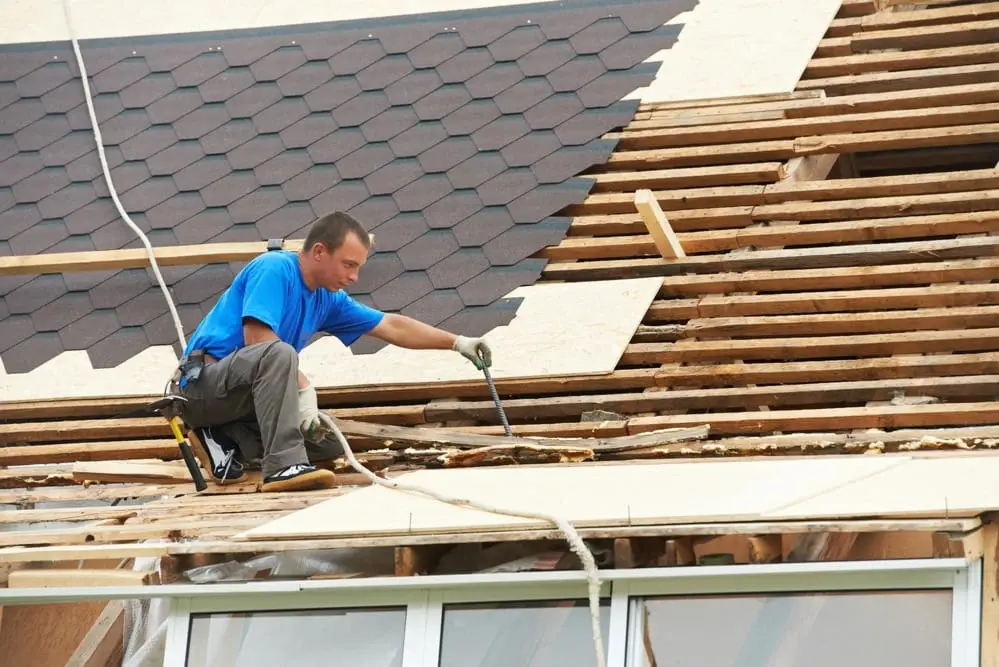
man working on a pocatello roof layers decking

1. Roof Decking

The very first layer, essentially the skeleton of your roof, is the roof decking, also known as roof sheathing. The decking usually consists of wooden panels or planks that lay out the general structure of where your roof will be on top of your house. These are important as a base layer and should be strong, dry, and protected. If moisture gets trapped under the other layers, it could lead to this layer rotting, which cannot be fixed unless the old roof is torn up. The paneling should be strong since it will be supporting all the other layers.

2. Drip Edge

The next layer should be the drip edge, which is vital for redirecting water away from the moisture-susceptible layers. Drip edges are thin, flexible pieces usually made of metal that hang over the edge of the roof. They protect the roof decking from moisture, as well as the fascia, which is the horizontal paneling that the gutter sits on. If a drip edge is not installed, or is not functioning properly, this leads to rotting and water damage.

3. Ice and Water Shield

Similar to the drip edge, the ice and water shield is essential for protecting against more intensive elements. These are waterproof sheets that should be nestled in corners of your roof, valleys, and around penetrations in order to provide the best defense against moisture. These also help protect your roof decking. Ice and water shields are important roof layers in states, like Idaho, that can get snowy winters.

4. Roof Underlayment
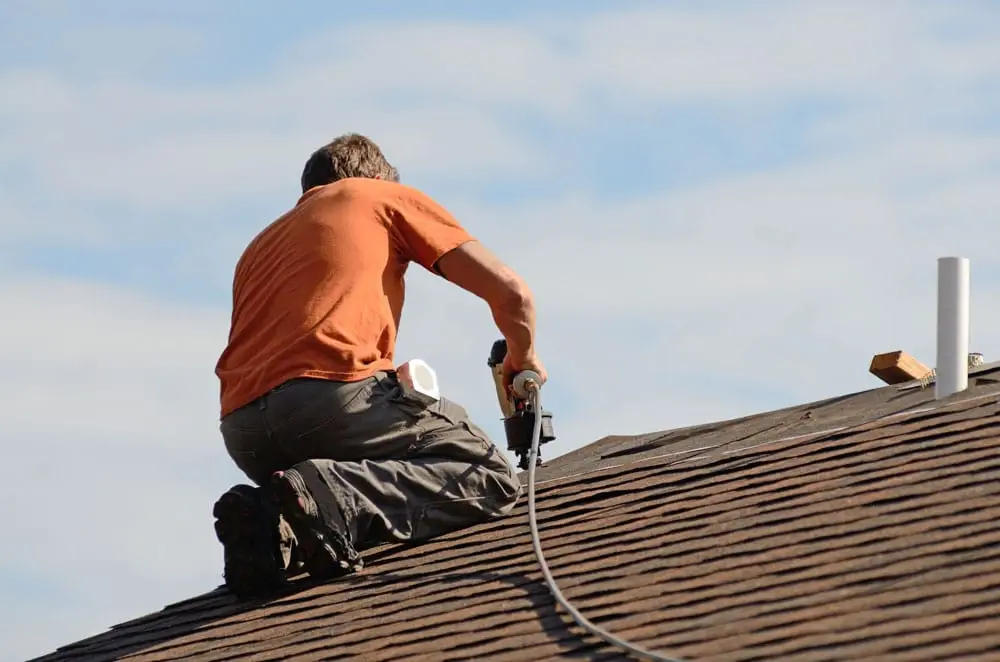
Roofing Company Shelley Idaho Falls ID DIY roof repairs

This layer serves as an in-between layer, sitting between the roof decking and the outermost shingles. It is made of either felt or a synthetic material and serves as the last kind of protection for your roof decking if any moisture gets under the shingles. Because of this, investing in good quality underlayment can make the difference in your roof’s life.

5. Starter Shingles

Though the roof is almost ready for the full installation of shingles, starter shingles must go on first. This is a small sheet of precut paneling in a row that has adhesive on it. This is laid down in order to make a sealed edge at the eaves, or edges, of your roof. This layer can help with keeping the roof in place during strong winds.

6. Shingles

The most visible part of the roof, the shingles are just as important as any other layer of your roof. Depending on what you want, they can be made from a variety of roofing materials, like asphalt shingles, metal, cedar shake, synthetic, and concrete. At Premier Roofing and Restorations, we are happy to help you determine the best material for your home.

7. Roof Flashing

Alongside your shingles, roof flashing should be installed. It serves as another protectant, consisting of metal sheets that deflect water away from important areas, like windows, chimneys, walls, and roof valleys. Since they are made of metal, they are meant to last and can even outlive your roof if well-taken care of. They should be inspected regularly to ensure that there is no leakage.

8. Ridge Capping

Ridge capping is the layer of shingles that lay along the seams of two slopes of roofing, closing up any gaps in between the shingles. They tend to be a thicker material that is pre-bent, for easier application. Though this trim can help with aesthetics, the quality of the ridge capping is important for your roof – if the wrong material or thin shingles are applied as the capping, it could lead to more costs and damage down the road. It’s important to use the manufacturer’s ridge capping accessory so that it is properly installed.
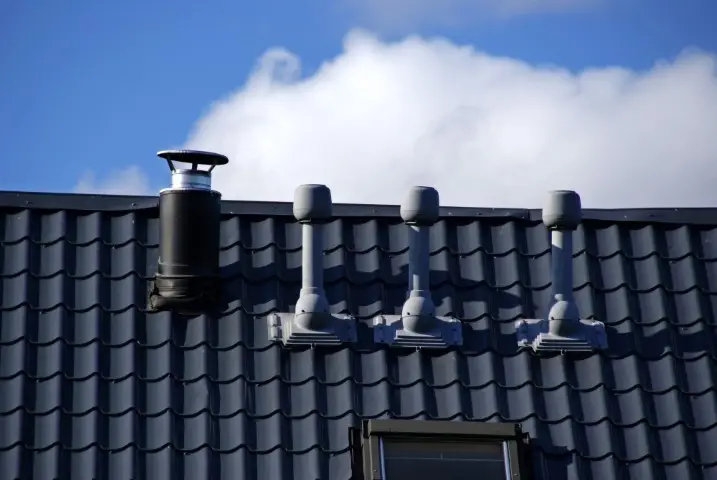
Anatomy of a Roof: 9 Ways Your Roof Layers Protect You

9. Roof Vents

After all of the layers of roofing is put on your house, a roof vent provides ventilation to maintain the health and longevity of your roof. The airflow that it causes keeps your attic and roof able to breathe. Depending on your needs, you may need to have either a passive or active vent installed.

Now what?

Being knowledgeable about your roof gives you an understanding of the importance of quality roofs. When getting a new roof or having an old one restored, Premier Roofing and Restorations wants to provide you with the proper layers to take care of the shield of your house and keep the roof above your head.
Filed Under: Roofing

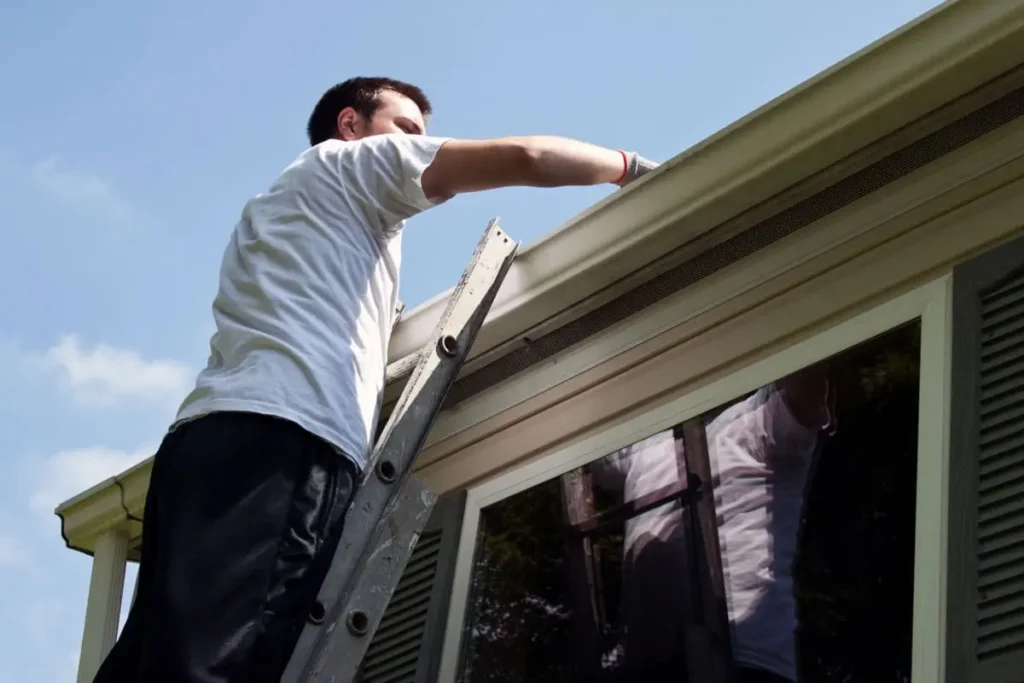
man cleaning roofing gutters Idaho Falls, ID Material for gutters

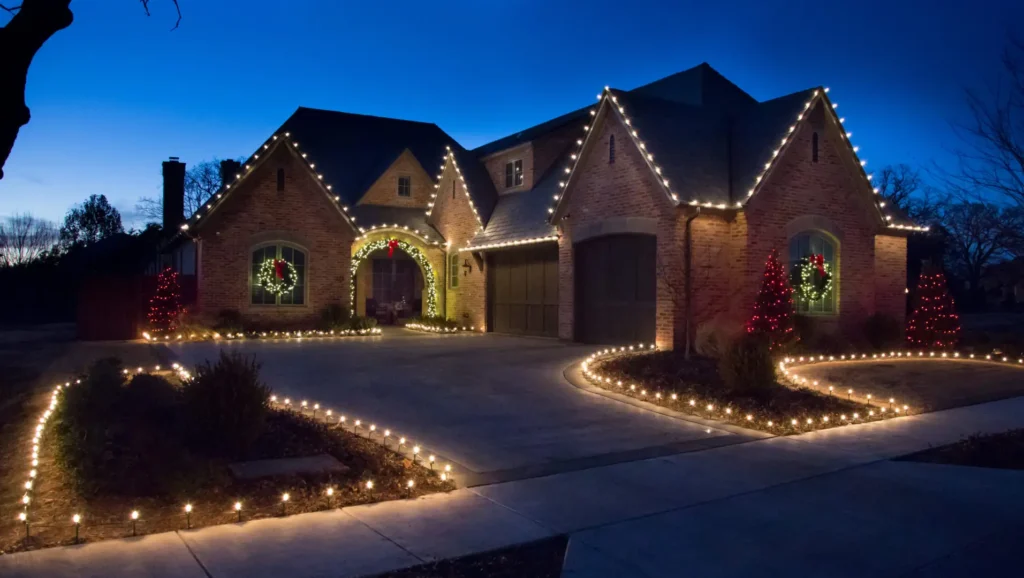
With the holiday season fast approaching, it is time to start hanging lights, stockings, and tinsel. When it comes to exterior lights, there are many methods that can be used to help a home feel festive without damaging the materials. Here are some of our expert tips to protect your roof when hanging Christmas lights. 

1- Avoid Nails, Screws, and Staples 

One of the biggest mistakes people make when hanging lights is putting holes in the roofing materials. Nails, screws, and staples can cause micro holes in gutters and roofing materials which can lead to bigger problems in the future. Moisture damage to your roof can lead to future roof replacement or mold growth in your home.

Using staples or nails also poses a risk to your Christmas lights. Stapling the lights to your roof could damage the wires and put your home at a higher risk of fire. Sparks and faulty lights could turn festivities into a disaster.

2- Inspect The Roof Before Walking On It

When a roof is weak or damaged, you should not put weight on these areas. Walking on the roof to put up holiday lights could cause more damage to your roof or cause you to fall through the roof. Before the holiday season, have your roof inspected for damage. Not only will this help you have a better picture of the roof’s current state, but it will also keep you safe when decorating your home.

3- Secure Loose Wires

Hanging Christmas Lights Without Damaging Your Roof

After hanging Christmas lights around your home, you should secure loose wires to prevent electrical hazards or fire damage to the roof. Using twist ties or zip ties to secure loose wires will prevent them from becoming tangled, which could lead to frustration when removing them. Tangled cords can also cause stress on clips or wires holding the lights in place. This stress could cause the clips to rip from your gutters or cause holes in your roof. 

4- Practice Ladder Safety

Hanging Christmas lights will typically require you to reach high up in your home. Utilizing a ladder is one of the most convenient ways for homeowners to install their Christmas lights. Before climbing on a ladder, make sure you research some ladder safety tips. One of the most important practices in ladder safety is to ensure that the ladder is secure. Placing the ladder on flat ground, setting it at the right angle, and having a spotter while you climb the ladder will all help reduce the risk of severe injury. 

Falling from a ladder or hanging lights on a wobbly ladder is scary. Keeping the ladder steady will prevent you from head injuries, broken limbs, and more. Additional tips that can help while using a ladder include:

  • Face the ladder when climbing or descending
  • Never step on the top rungs
  • Avoid overreaching while on the ladder
  • Wear proper footwear

5- Don’t Forcibly Remove Lights

When the holiday season is over, or if you make a mistake when stringing lights, never rip or forcibly remove the strand of lights. Tugging and pulling on the lights could cause the roof materials or gutters to come with them. Ripping the lights off could cause materials to lift and leave the roof exposed. Hanging Christmas lights without damaging the roof requires you to think about the future as you’re installing. Think about the clips or hooks you are using and how they will be removed. Even if you’re in a hurry, pulling hard on the Christmas lights is never good for your roof. 

Roof Services From Premier Roofing

Best roofing materials to handle snow, ID

Premier Roofing And Restoration wants homes in Idaho to have the best roofing possible. Our team focuses on roof replacement and new roofing that will last for years to come. Especially during the cold winter season, having a sturdy roof is a luxury we often take for granted. Premier Roofing And Restoration provides roofing services to ensure that your home is protected from weather, fluctuating temperatures, pests, and more. 


Your home or business can benefit from quality roofing that helps you achieve better energy efficiency. Our roofing team can install metal roofing, shingles, tiles, and more. Reach out to our team to schedule your project!

Filed Under: Roofing

Pocatello roofing contractor working on snowy roof

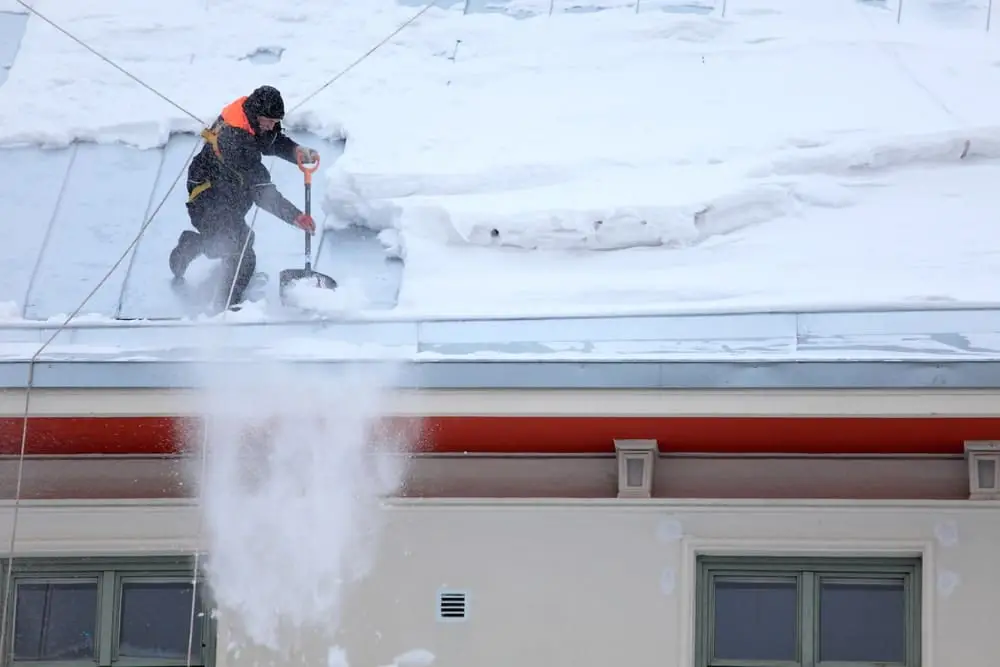
Rock salt is typically used for melting ice on stairs, sidewalks, and driveways. Rock salt has some properties that can damage cars, lawns, and roofs. You should NOT use rock salt to help melt ice dams or snow on a roof. The chemicals that are used to melt the snow and prevent ice from forming can corrode different elements of your home. Here are some of the dangers of using ice-melting salt on your roof.

The Dangers Of Using Salt On Your Roof

The corrosive nature of rock salt can bring long-term damage to the roof and other parts of the home. You should avoid all melting salts because they can reduce the lifespan of your roofing materials. There are reasons you should avoid rock salt around your home which are shared below. 

Rusts Nail Heads

While the rock salt may not damage your shingles it can rust nails that are used to hold your shingles down. Nails are important to the security of a home and rust can cause them to break easily. Rust also causes unsightly stains on your roof. The discoloration of rust can cause streaks or blotches on your roof in addition to loose or damaged roofing materials.

Damage To Plants

Even if the salt begins to melt, the chemicals will linger in the melted water. As the salt melts and the water runs through the gutters it could damage your plants, lawn, or garden veggies. These chemicals can linger even after the snow has started to melt from your roof, even if you use them on your driveway or walkway. This is always a risk when using rock deicers around your grass.

Inefficient At Melting Ice Dams

The amount of ice and snow that comes with ice dams is nothing that rock salt can handle. Salt for driveways works to raise the temperature of the concrete and prevent further ice from forming, but it can not raise the temperature enough to remove an ice dam from a roof. There are other methods that are better suited for safely removing ice and snow from a residential roof.

Other Methods To Remove Ice Dams

Since rock salt isn’t an option, what can you use to help remove snow blocks or ice dams? Here are some additional methods that have been approved for use on residential roofs.

  • Roof Rake: The easiest and safest method to remove snow from a roof is a roof rake. These tools are designed to be used from the ground and clear off snow in large chunks. Rakes reduce the likelihood of injury and have specially designed blades to prevent damage to roofing materials.
  • Calcium Chloride Ice Melt: Calcium chloride is a less harsh chemical that can be used for de-icing roofs. It melts at a lower temperature so it reduces staining or chemical damage to your gutters. Calcium chloride can be placed in mesh bags and placed in problem areas. This allows the ice to melt without direct contact with your roof. 
  • Heated Cables: Modern roofs can be installed with heated cables to help prevent ice dams. These cables gently warm the surface and allow the snow to run off naturally into your gutters. While this is the most expensive option, it will pay for itself by keeping ice at bay in colder climates. 
  • Professional Ice Dam Removal: Once you have an ice dam, you may have to have it professionally handled to save your roof from damage. Roofers have special equipment that can help break up the ice dams without damaging your shingles or tiles. Regions with frequent snow and cold temperatures may need more frequent professional help. 
can you use rock salt on your roof

Additional Winter Roof Tips

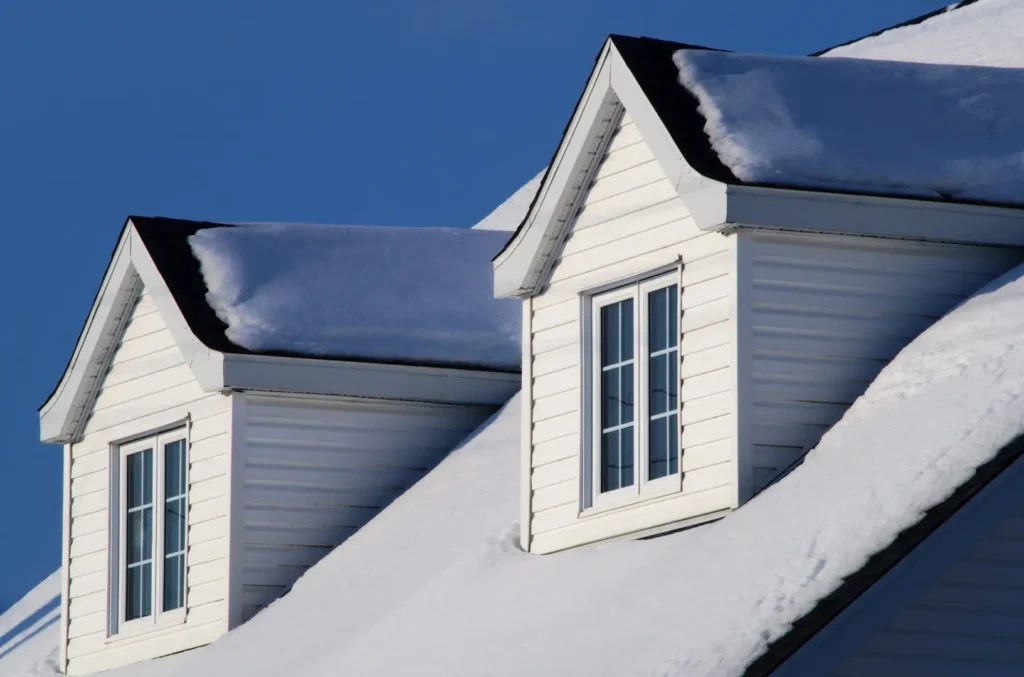
Places with harsh climates like Idaho and Utah may need additional means to protect their homes from ice dams. One way to limit snow and ice pile-up is to add further attic insulation. Properly insulated attics minimize heat loss which causes snow to melt prematurely and refreeze at the roof edge. This is the most common cause of ice dams. 

Clearing your gutters and downspouts before the winter weather hits will also prevent ice damage to a roof. Having a gutter cleaning during the fall will allow water to flow easily through the gutter system and prevent it from freezing inside the gutters. 

Roofing Services From Premier Roofing And Restoration

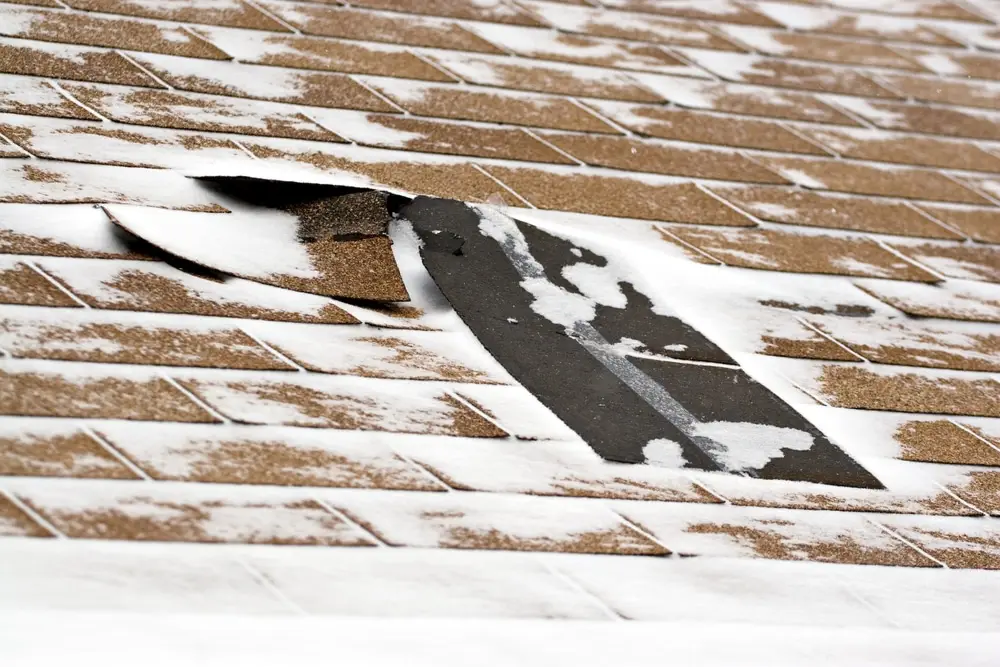
Premier Roofing And Restoration installs new roofing materials and can replace damaged roofing materials. Our professional roofers want to help Idaho homeowners have safe and quality roofs that will protect them from the winter weather. If you have experienced damage from ice dams, our team can help replace shingles or tiles and give your home a new look. Get a free roof inspection and schedule a repair today!

Filed Under: Roofing

  • « Previous Page
  • 1
  • …
  • 4
  • 5
  • 6
  • 7
  • 8
  • …
  • 18
  • Next Page »

Hours

Premier Roofing & Restorations

1920 E 17th St. Suite 203
Idaho Falls, ID 83404

208-351-5340

Pocatello: 208-269-9953

MONDAY 9:00 AM - 6:00 PM
TUESDAY 9:00 AM - 6:00 PM
WEDNESDAY 9:00 AM - 6:00 PM
THURSDAY 9:00 AM - 6:00 PM
FRIDAY 9:00 AM - 4:00 PM
SATURDAY CLOSED
SUNDAY CLOSED

Directions

Contact Us

  • This field is for validation purposes and should be left unchanged.

2026 | Premier Roofing & Restorations | All Rights Reserved | Privacy Policy | Terms | XML Sitemap | Sitemap | Site by PDM