Idaho Falls Idaho Premier Roofing & Restoration

Premier Roofing & Restorations

208-351-5340 Free Estimates
  • Roofing
    • New Roofing
    • Roof Replacement
  • Siding
  • Gutters
  • Service Area
  • About Us
    • Blog
    • FAQ
  • Contact Us

Choosing the Best Roof Shingle Color for Your Home

Home | Archives for | Page 2

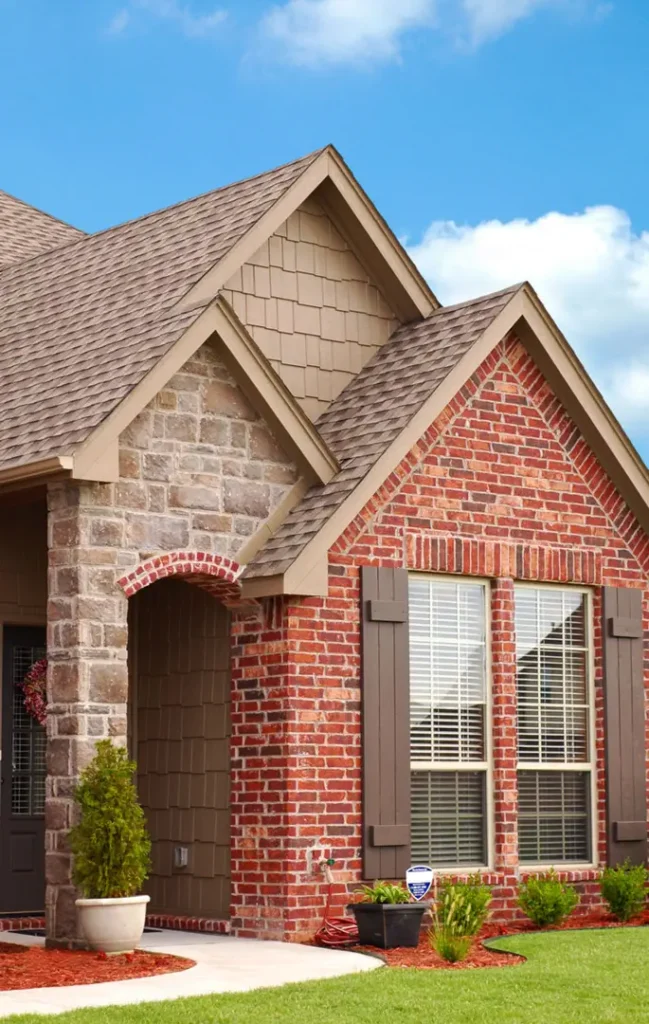
roof shingle colors

Your roof plays a crucial role in the protection and appearance of your home, making the choice of shingles more important than many homeowners realize. The right roof shingle color will enhance your home’s curb appeal, impact energy, efficiency, and durability. 


With so many options available, from color and style to material,  it can be overwhelming to know where to start. Understanding the key factors involved in selecting shingles can help you make a confident, informed decision that improves both the look and performance of your home for years to come.

Why Roof Color Matters

Your roof shingle color plays a much bigger role than homeowners realize. Believe it or not, it impacts the appearance and performance of your home. Because the roof makes up a large portion of your home’s exterior, the color you choose can significantly influence curb appeal. Choosing a roof shingle color that complements your siding, brick, or stone is important for creating a beautiful home.

Besides just aesthetics, there are also practical considerations when choosing roof shingle color. Energy efficiency is one of them since darker shingles absorb more heat while lighter colors reflect sunlight. Depending on which you choose, the indoor temperatures and cooling costs during warmer months could vary.

Over time, certain roof shingle colors may also show fading, dirt, or algae more easily, affecting how your roof looks as it ages. But ultimately, the right roof shingle color helps set the tone of your home’s overall style while contributing to its long-term appearance, efficiency, and value.

Matching Your Home’s Exterior

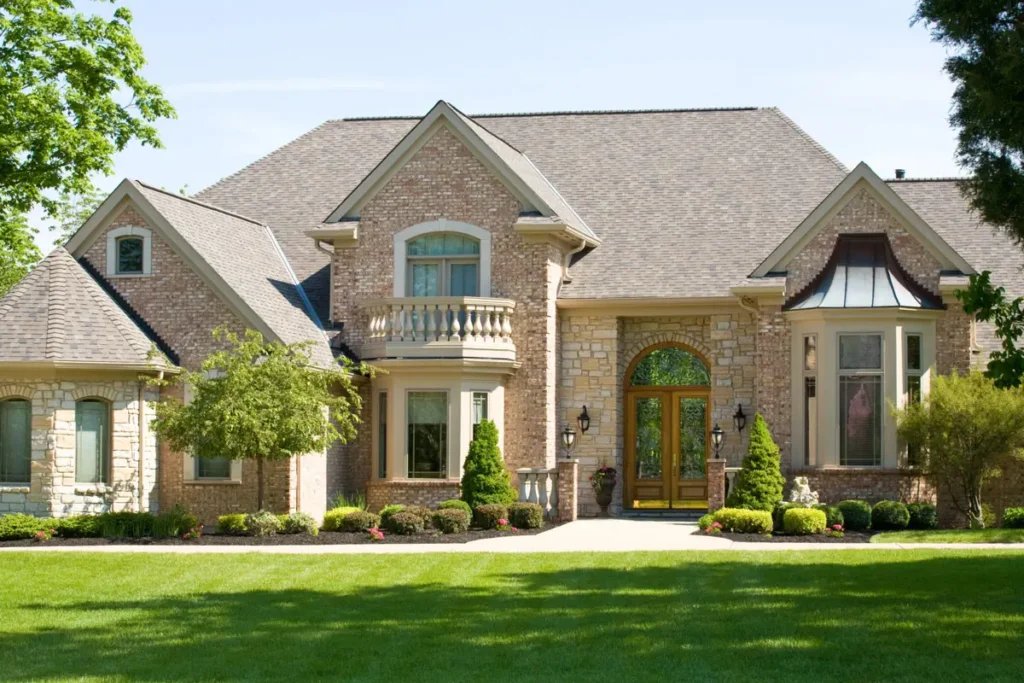
Choosing a roof shingle that matches your home’s exterior starts with considering the color and texture of the materials and colors you already have. Elements like siding, brick, or stone all have natural tones that will help you guide your decisions, no matter if your home leans more into warm colors or the cool colors. Matching the undertones of your home is the key to creating a cohesive look, because even similar colors can clash if their undertones differ.

Though many homeowners don’t see their roof as a place to make a statement on the exterior of their home, it’s absolutely an option. With a wide variety of roof shingle color options, homeowners can decide whether they want their roof to blend in for a more subtle look or create contrast for a bolder look. 

It’s also important to factor in details like trim, shutters, and doors, since these accents also help tie the overall look together. If you’re still unsure about what look you want to go with, take a look at surrounding homes and online for inspiration.

Light vs Dark Shingles
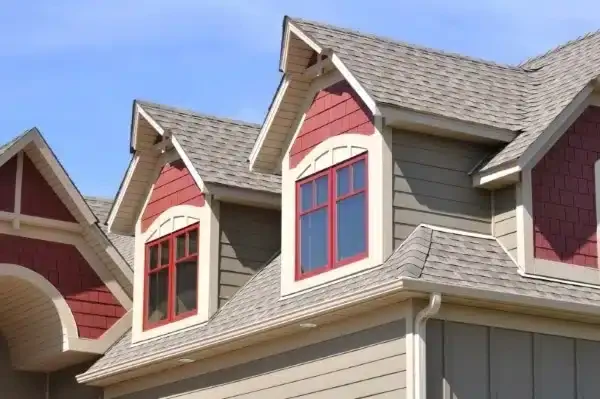
roof shingle color

Light and dark shingles each offer distinct advantages, visually and functionally. Light-colored shingles like beige, light gray, or soft tan tend to reflect more sunlight. This helps keep homes cooler in warmer climates and potentially improves energy efficiency during hot months. They also create a softer, more subtle look that can make a home appear larger and more inviting.

Dark shingles, like charcoal, deep brown, or black, absorb more heat, which can be beneficial in colder climates where retaining warmth is helpful. Visually, darker roofs add more contrast and depth, often giving homes a more dramatic, modern, or high-end appearance. However, they may show fading over time and can make a home feel smaller if they aren’t balanced with lighter exterior elements.

In the end, making the choice between light and dark shingles should factor in the climate of where you live, energy goals, maintenance expectations, and the overall style you want to achieve for your home.

Climate Considerations

The characteristics of the climate in which you live should play a major role in your roof shingle color decisions, as different environments can significantly impact the performance of shingles over time. 

In hotter climates, light-colored shingles are the smartest choice because they reflect sunlight and help keep your home cooler. However, darker shingles can be beneficial in colder climates since they absorb heat and help reduce heating costs. 

If you live in an area with frequent rain or snow, it’s important to choose shingles designed for strong weather resistance to prevent leaks, moisture buildup, and other issues like ice dams. Homes in windy or storm-prone regions should also consider shingles that are made to withstand harsh weather conditions. 

Why Choose Us?

Choosing the right roofing company makes all the difference. At Premier Roofing and Restorations, we bring years of hands-on experience and high-quality materials to ensure long-lasting results. Contact us today for a free estimate.
Filed Under: Roofing

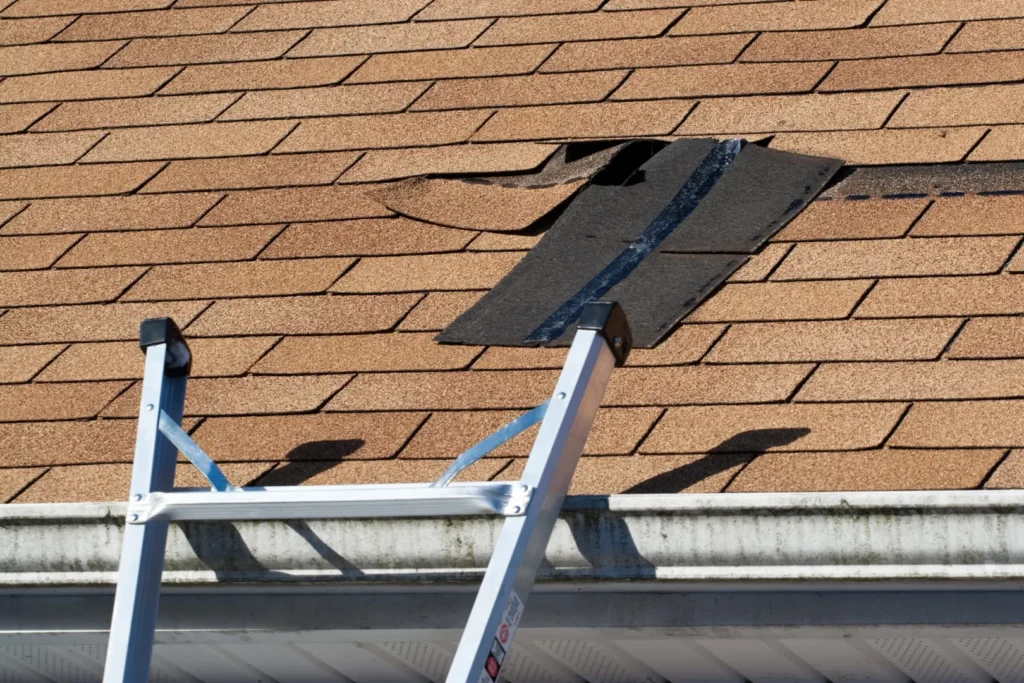
warning signs

Your roof is the top line of defense for your home. However, it’s easily overlooked until a problem appears. Small issues like damaged shingles or minor leaks may not seem urgent at first; it’s important to resolve them quickly before it escalates into costly repairs or full roof replacements. From harsh weather to general wear and tear, your roof faces constant exposure that leads to hidden damage over time. Knowing what warning signs to look for can help catch small problems before they turn into big ones.

Missing or Damaged Shingles’

Missing or damaged shingles are a key warning sign that your roof may need repair. Shingles are the first line of defense for your roof. They keep your house safe from the weather and debris. However, severe storms, aging materials, and poor installation can cause issues with your roof, like missing shingles, curling, cracks, lifting, or granule loss.

Though these problems may seem minor at first, they are just a gateway to other major problems. It can expose the underlying roof structure to moisture, which leads to leaks, mold growth, wood rot, and other serious structural damage over time. Because of this, it’s very important for homeowners to repair damaged shingles quickly to prevent small issues from escalating into repairs that will cost a lot of money or require a full roof replacement.

Leaks, Water Stains, or Mold Growth

The appearance of leaks, water stains, or mold growth is a clear warning sign that a roof issue has progressed and is now allowing water into your home. These problems will start appearing because of damaged or missing shingles, failing flashing, clogged gutters, or just general wear and tear.

You’ll be able to see if this is the case by a few warning signs that will begin to form. If you start to notice brown or yellow stains on ceilings or walls, peeling paint, damp insulation, musty odors, or visible mold, then there is a bigger issue at hand. Even beyond just cosmetic damage, moisture coming in from your roof can weaken structural integrity, rot wood, and ruin insulation, which can even impact the quality of air inside your home.

These issues, when not taken care of quickly, will worsen. It’s important to address them with a professional inspection to prevent more extensive damage and costly repairs.

Structural Issues

Structural problems with your roof are by far one of the most serious roofing problems because it impacts the safety and stability of your home. These problems are often caused by prolonged moisture exposure that leads to rotting wood, as well as heavy snow buildup, aging materials, poor construction, or improper repairs.

Common warning signs that you might have an issue with the structure of your roof are sagging or an uneven roofline, soft spots, cracks in the ceiling or walls, sticking doors or windows, and visible damage to rafters in the attic. 

If these issues are left unaddressed, structural damage will only worsen over time and even lead to a partial or complete roof collapse, which will inevitably result in other costly repairs around your home. Because of the severity, it is essential to have a professional inspect your roof as soon as signs appear to protect your home’s long-term integrity.

Granules in Gutters

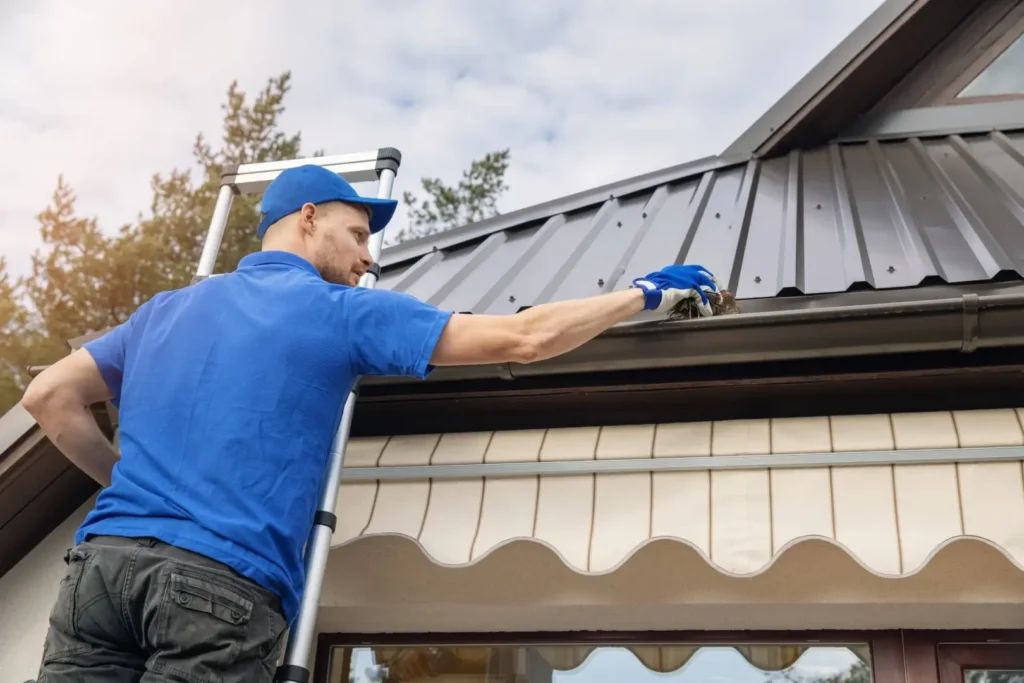
Idaho Falls Idaho Gutter Maintenance

If you happen to find shingle granules in your gutters, that is a common warning sign that asphalt shingles are wearing out. Granules are meant to protect your roof from UV rays and help improve durability. If a lot of them are clogging up your gutter, that’s usually a sign that your roof needs some help.

While a small amount of granule loss can be normal after roof installation, a noticeable buildup is usually caused by aging shingles, harsh weather, or prolonged sun exposure. Homeowners may see sand-like debris in gutters or downspouts, bald spots, or uneven coloring on the roof. As shingles begin to lose their granules, they become more vulnerable. They will crack, allowing water in, causing further damage, and shortening the life of your roof.

Significant granule loss should be inspected by a professional. They will be able to determine whether repairs or a full replacement is needed.

Why Choose Us?

At Premier Roofing and Restorations, our experts are dedicated to providing you with roofing solutions that will make you and your home safer. Whether you need a roof repair, a basic inspection, or a full roof replacement, we’re here to provide you with the best customer service, quality, materials, and fast turnaround. Contact us today for more information or a free estimate.

Filed Under: Roofing Company

summer roof damage

Idaho summers can get very hot. Whether you’re trying to beat the heat in the comfort of your air-conditioned home or outside at the pool, your roof is stuck taking the brunt of the heat. Though Idaho summers tend to be short, they can do a number on your roof. It’s important to know what summer roof damage looks like and how you can protect the top line of your home.

Heat Damage to Roofing Materials

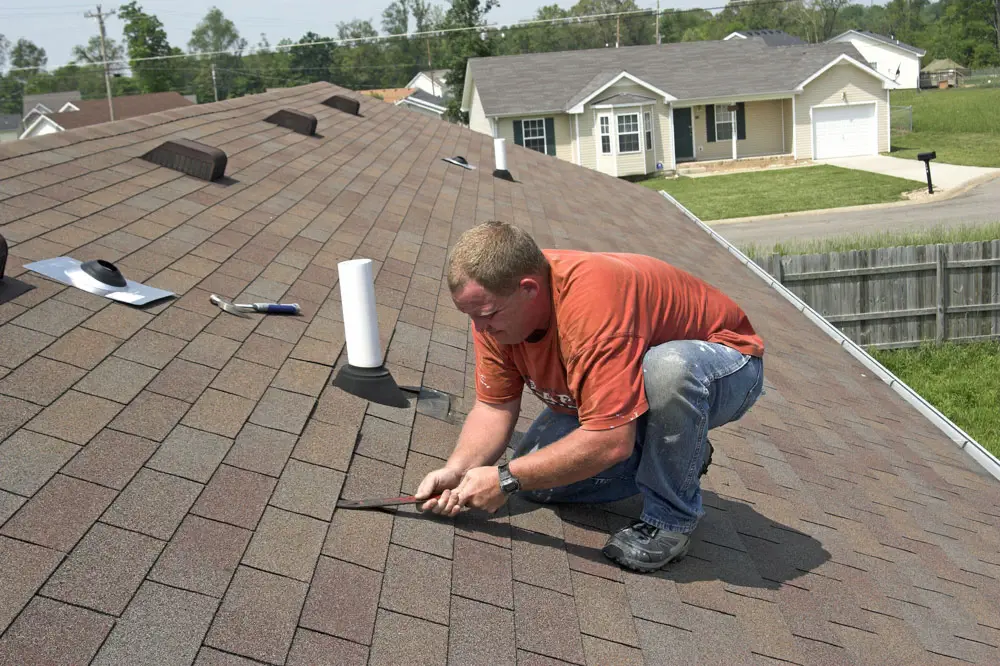
During the summer months, your roof takes on the burden of constant sun exposure. The extended heat and the UV rays can cause your roof to reach temperatures of 150 degrees or more, causing severe summer roof damage.

Asphalt shingles, the most common in residential homes, contain oils that keep them protect them and keep them flexible. Over time, the heat dries out the oils, making the shingles crack, curl, warp, and become brittle, making your home more susceptible to leaks.  Constant heat exposure also causes the color of your roof to change and ruin its structure over time, ageing it faster than one in a milder climate. 

Once your roof starts to deteriorate, it won’t be able to protect your home. Even small issues like small cracks or curling edges can quickly turn into bigger issues, like leaks, mold, mildew growth, and higher energy bills.

Though there’s really nothing a homeowner can do to stop the sun from beating down on their roof, you can be proactive. To ensure the state of your roof, schedule regular inspections to catch summer roof damage early, look for visible damage, keep your roof free of debris, and potentially consider reflective or higher-quality materials when you’ll need a roof replacement.

Expansion and Contraction

As temperatures are blazing during the day and dropping at night, your roof is constantly expanding and contracting. Though this may seem very minor, it can put serious stress on your roof over time. 

When your roof is constantly exposed to direct sunlight, the shingles begin to expand. As the sun goes down, the shingles cool down, causing the shingles to shrink back down. Since this cycle repeats almost daily, it gradually weakens the structural integrity of your roof.

Over time, the expansion and contraction of the shingles can lead to warped shingles, loosened nails, fasteners, separated seams, and an increased risk of leaks. Even if your roof looks fine from the ground, there may be hidden issues as a result.

Luckily, there are ways you can minimize the impact that expansion and contraction can cause. You can do that by scheduling regular roof inspections, ensuring your roof is properly installed, since poorly installed roofs are more prone tos hifting, and also ensuring that you invest in high-quality roofing materials that are designed to handle temperature fluctuations.

Poor Roof Ventilation

summer roof damage

Having proper ventilation in your roof is a critical component in regulating temperature and moisture levels in your attic. During the summer, poor ventilation can trap the extreme heat inside your home. This will cause problems not only for your roof but for your entire house as well.

Without the proper roof ventilation to protect your home, airflow becomes restricted in the attic. Without proper airflow, heat becomes trapped beneath your roof, air can’t circulate properly, and the temperatures in your attic will continue to rise throughout the day.

Those ventilation issues won’t just stop at your roof. Your air conditioning system will have to work harder to keep your home cool, and the excess heat from your attic will seep into the living space on the upper floors of your home.

Ventilation issues can be hard to spot right away. However, they aren’t impossible to catch. If the upper floors of your home are unusually hot, your energy bill is higher, or you’re noticing musty odors or signs of moisture buildup, you may have poor roof ventilation.

In order to improve your roof ventilation, there are a few things you can do. First, you can install or upgrade ridge vents and soffit vents to balance the airflow. Secondly, ensure insulation isn’t blocking air pathways, and lastly, schedule a professional inspection to evaluate the ventilation.

Storms and Debris

Though summer brings the heat, it also brings storms with strong winds and flying debris. Combining a roof already weakened by the heat and stormy conditions is a recipe for summer roof damage. Unlike the gradual summer roof damage the sun can cause, sudden seasonal storms can put intense stress on your roof. 

High stormy winds can lift or tear off shingles already loosened from the heat; rain can exploit weak spots, leading to leaks; in some cases, hail can bruise or crack shingles that significantly shorten their lifespan.

Even debris from summer storms can cause summer roof damage. Tree branches can scrape and puncture the roof, leaves can trap heat and moisture, and clogged gutters can prevent proper drainage, leading to water backup.

This summer roof damage becomes worse because roofing materials may already be weakened from prolonged heat exposure. Though your roof is meant to withstand a lot, sudden storms hit harder when your roof isn’t in peak condition.

Protect your roof from sudden summer storms by trimming overhanging branches, cleaning gutters regularly, and scheduling a professional inspection, especially after severe weather.

Why Choose Us?

At Premier Roofing and Restoration, we understand that the summer heat beating down on your roof is inevitable. You can trust Premier Roofing and Restoration to help repair your sun-damaged roof or install a new roof with top materials that will withstand the summer heat. Contact us today for a free estimate.
Filed Under: Roofing

  • « Previous Page
  • 1
  • 2
  • 3
  • Next Page »

Hours

Premier Roofing & Restorations

1920 E 17th St. Suite 203
Idaho Falls, ID 83404

208-351-5340

Pocatello: 208-269-9953

MONDAY 9:00 AM - 6:00 PM
TUESDAY 9:00 AM - 6:00 PM
WEDNESDAY 9:00 AM - 6:00 PM
THURSDAY 9:00 AM - 6:00 PM
FRIDAY 9:00 AM - 4:00 PM
SATURDAY CLOSED
SUNDAY CLOSED

Directions

Contact Us

  • This field is for validation purposes and should be left unchanged.

2026 | Premier Roofing & Restorations | All Rights Reserved | Privacy Policy | Terms | XML Sitemap | Sitemap | Site by PDM