
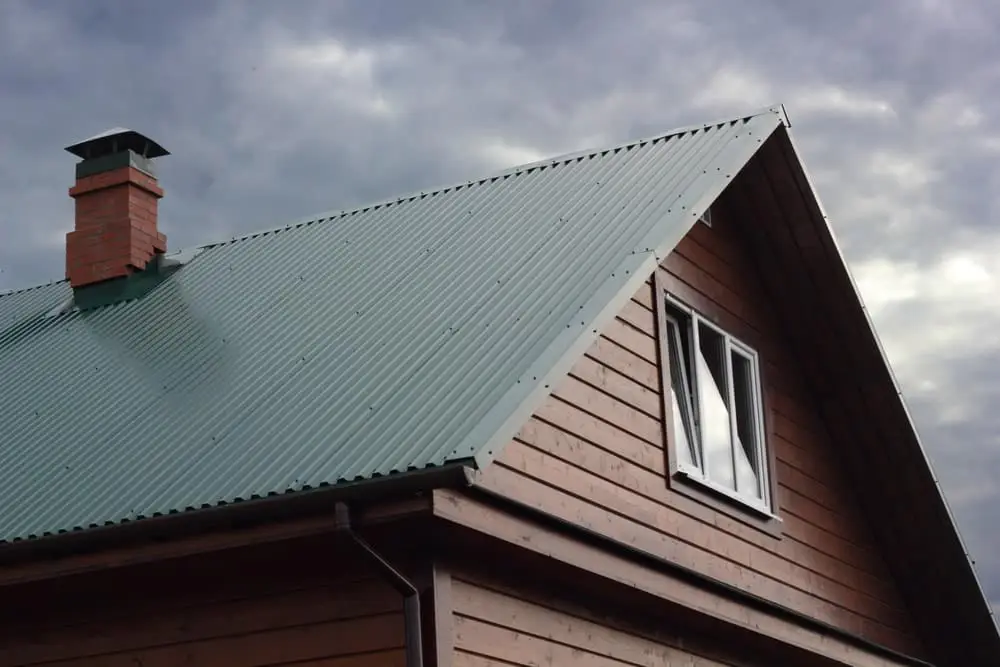
Idaho Falls Idaho Premier Roofing & Restoration

Premier Roofing & Restorations

208-351-5340 Free Estimates
  • Roofing
    • New Roofing
    • Roof Replacement
  • Siding
  • Gutters
  • Service Area
  • About Us
    • Blog
    • FAQ
  • Contact Us

How Leaf Damage Can Shorten the Life of Your Roof

Home | Archives for

leaf damage

Fall is finally upon us; the changing leaves that come with it can make your property look beautiful. However, they can also create hidden problems for your home. Many homeowners don’t realize that something as simple as falling leaves can cause serious damage to their roof over time. Understanding how leaf damage affects your roof can help you take the right steps to protect your home before colder weather sets in.

Trapped Moisture Problem

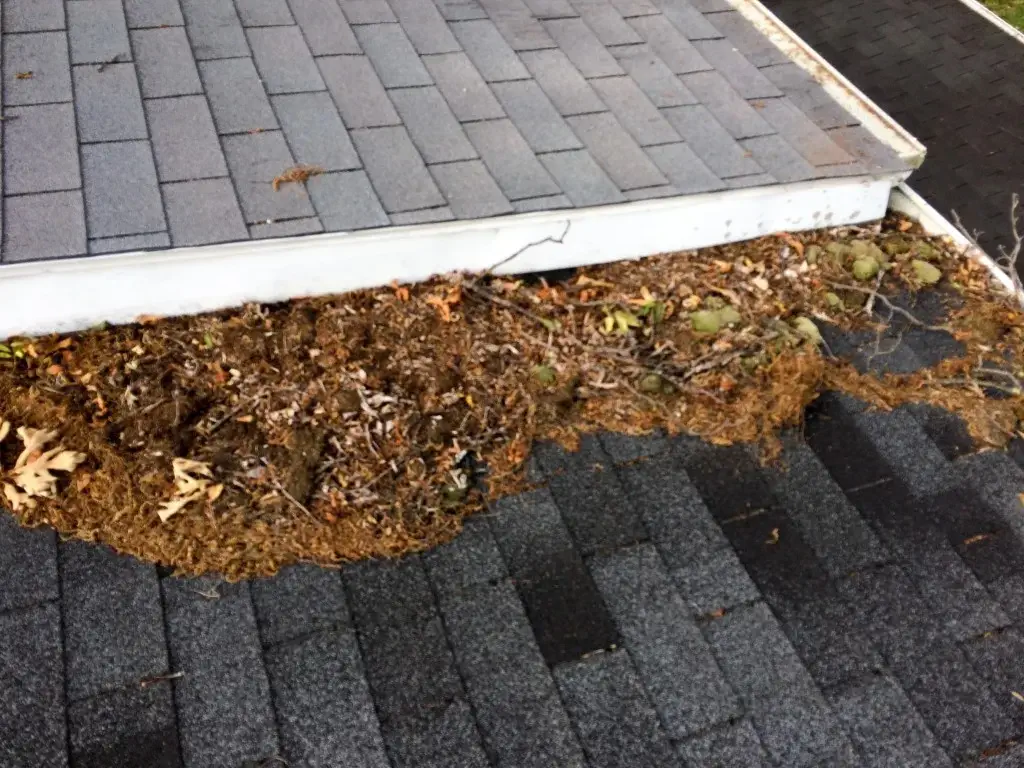
One of the worst effects of leaf damage is the way it traps moisture against your roof. Leaves naturally absorb and hold water, so they don’t dry quickly once they’re wet. During the fall, leaves collect in areas like roof valleys or along edges. These leaves form barriers that prevent water from properly draining away from the home. This keeps your shingles constantly wet, which will accelerate the deterioration of your shingles over time. 

As shingles begin to break down, they crack, curl, or soften, only making your roof more vulnerable to leaks. In more severe cases, the moisture can seep underneath the shingles, reaching the roof deck. This leads to mold growth and wood rot. If you live in a colder climate, the issues leaf damage causes are more serious. As trapped water from the leaves freezes and expands, additional stress and damage are placed on your roof when this issue is left unresolved.

Clogged Gutters Overflow

Leaf damage does more than just affect the surface of your roof; it impacts how your entire drainage system functions. When leaves start to accumulate in your gutters and downspouts, blockages form quickly that prevent water from flowing properly. Instead of the water being directed away from your home, water begins to pool along the edges of your roof.

This standing water increases the likelihood of roof leaks, as it can work its way under shingles and into your home. If this issue goes unresolved, clogged gutters can lead to sagging or damage to the gutter system itself. Regular gutter maintenance is essential to preventing this type of leaf damage from escalating.

Shingle Wear and Tear
leaf damage

Another way leaf damage can significantly shorten the lifespan of your roof is by increasing wear and tear on shingles. Damp leaves, though they may not seem heavy, when they sit on your roof for a long time, they add unnecessary weight and pressure to your roof’s surface. 

As wind moves leaves and other debris across your roof, the friction slowly wears down the vital protective layers of your shingles. This constant abrasion can loosen shingles or even strip away the granules that help protect your home against the elements. Once the shingles become compromised, your roof becomes more susceptible to damage from storms, wind, and temperature changes. Addressing leaf buildup early will help you preserve the integrity of your roofing materials and prevent your roof from aging prematurely.

Mold and Algae Growth

Leaf damage is a large contributor to the growth of mold and algae because they thrive in damp, shaded environments. When leaves sit on your roof and retain moisture, they create ideal conditions for mold and algae to develop. Over time, mold and algae will spread across your roof, leading to dark streaks and discoloration that can affect your home’s appearance. More importantly, they can weaken the shingles and other roofing materials and reduce their effectiveness.

If this issue is left untreated, this growth can go beyond just the surface of the roof; it can go deeper. Working hard to keep your roof clear of leaves and other debris is one of the most effective ways to prevent these problems from taking over your roof.

Pest Attraction Risks

Besides just the water-related problems leaf damage causes, it can also attract unwanted pests. Piles of leaves create a warm, sheltered environment for insects, rodents, and other small animals. When piles of leaves aren’t removed from your roof quickly, these pests may begin nesting in or around your roof, leading to damage to shingles, vents, and insulation.

Once these pests find their way onto and into your roofing system, they’re difficult to remove and can even enter your home. This type of hidden damage often goes unnoticed until it becomes more severe, resulting in costly repairs. Removing leaf buildup helps eliminate these potential nesting areas and reduces the risk of infestations.

Why Choose Us?

The good news is that preventing leaf damage is relatively simple with consistent maintenance. By regularly removing leaves from your roof and gutters, trimming overhanging branches, and scheduling seasonal roof inspections to identify and address early signs of damage.

If you find yourself in a situation where a simple cleanup or some maintenance won’t be effective, Premier Roofing and Restorations is here to help. We take pride in providing solutions that are built to last. Whether you do need routine maintenance, repairs, or a full replacement, we use high-quality materials and proven techniques to ensure long-term results. Contact us today for a free estimate.
Filed Under: Roofing Company

roof pitch

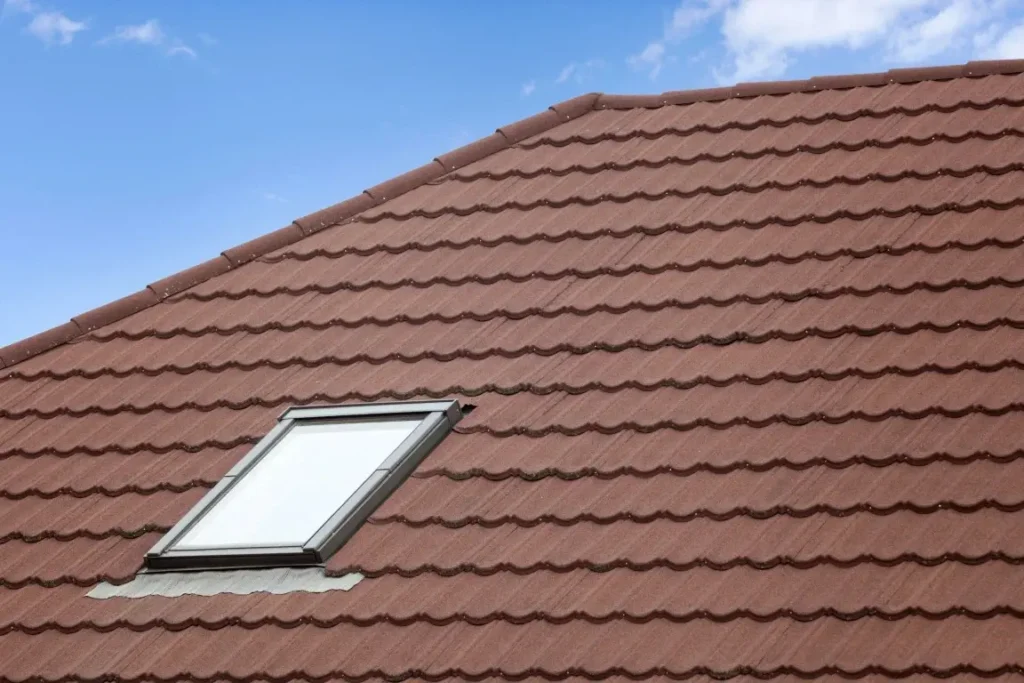
When looking at a home, the roof’s shape and appearance may be one of the first things you notice. But have you ever considered how steep or shallow it is, and how it might affect the rest of your home? This angle, known as the roof pitch, plays an important role in how a roof performs and protects your home. Roof pitch can affect everything from water and snow drainage to the roofing materials that can be used. Understanding how roof pitch works can help homeowners better understand their roof’s design and why it matters for long-term protection, especially in areas with changing weather conditions.

What Is Roof Pitch?

Roof pitch refers to the steepness or slope of a roof and is typically conveyed as a ratio, such as 4:12, meaning the roof rises 4 inches for every 12 inches of horizontal distance. Roofs can have low, moderate, or steep pitches depending on the design of the home, climate, drainage needs, and roofing materials.

Besides just appearance, a roof’s pitch plays an important role in how well it handles rain and snow, supports proper drainage and ventilation, and determines which roofing materials and installation methods are appropriate. Understanding your home’s roof pitch can help you better understand how your roof is designed to protect your home and withstand the elements.

Common Types of Roof Pitch

There are three general categories of roof pitch: low, moderate, or steep, each providing different benefits for a home. Low-slope roofs have a minimal incline and require proper drainage because water and snow may not run off the roof quickly.

Moderate-slope roofs are the most common on residential homes and offer a balance between appearance, drainage, and practicality. Steep-sloped roofs have a greater incline, which allows rain and snow to shed more easily and create additional attic space.

How Roof Pitch Affects Drainage

roof pitch

Roof pitch plays an important role in how efficiently rainwater and melting snow drain away from your home. Steeper roofs generally allow water to run off more quickly, while low-slope roofs can cause water to move more slowly, making it more susceptible to pooling and water damage if proper drainage isn’t in place.

Your roof’s pitch works together with roofing materials, gutters, and downspouts to direct moisture away from your home and help prevent water from getting underneath the roofing materials or collecting around the foundation. In Idaho, homes experience wear and tear from rain, snow, and changing temperatures throughout the year. Proper drainage is especially important to protecting your home from moisture-related damage.

Roof Pitch and Idaho Weather

Idaho homes are constantly exposed to a variety of weather conditions throughout the year, making roof design an important consideration for homeowners. Roof pitch can influence how effectively a home holds up to snow, rain, ice, and strong winds. Steeper roofs can help snow and rain move off the roof more easily, while lower-pitched roofs may retain more snow and require more planning to ensure there’s proper drainage. 

Idaho’s freeze-thaw cycles, which cause snow to melt and refreeze, make proper water runoff especially important for preventing moisture from getting beneath roofing materials. While there is no single roof pitch that is best suited for every single Idaho home, factors like the home’s design, location, roofing materials, and exposure to local weather should all be considered when determining the right roof system.

How Roof Pitch Affects Roofing Materials

Your home’s roof pitch plays an important role in determining which roofing materials are best and how they should be installed. Different materials are designated to perform at different slopes, and some may not be suitable for low-pitched roofs where water drains slowly. Asphalt shingles are commonly used on residential homes, but they do require an appropriate slope for proper water shedding. Metal roofing can work across a wider range of pitches depending on the specific system.


Very low-slope roofs may even require specialized roofing systems that provide greater protection against standing water and moisture. Proper installation is also essential, as details such as underlayment, flashing, and fastening methods can affect how well a roofing material performs. By considering the roof’s pitch along with the home’s design and weather conditions, a professional roofer can help determine which materials will provide reliable, long-term protection.

Why Choose Us?

Choosing the right roofing contractor can make a significant difference in the long-term performance of your roof. Premier Roofing & Restorations brings more than 23 years of roofing experience to homeowners throughout Eastern Idaho, with expertise in roof repairs, replacements, and new installations. Contact us today for a free estimate.
Filed Under: Roofing

roof cost

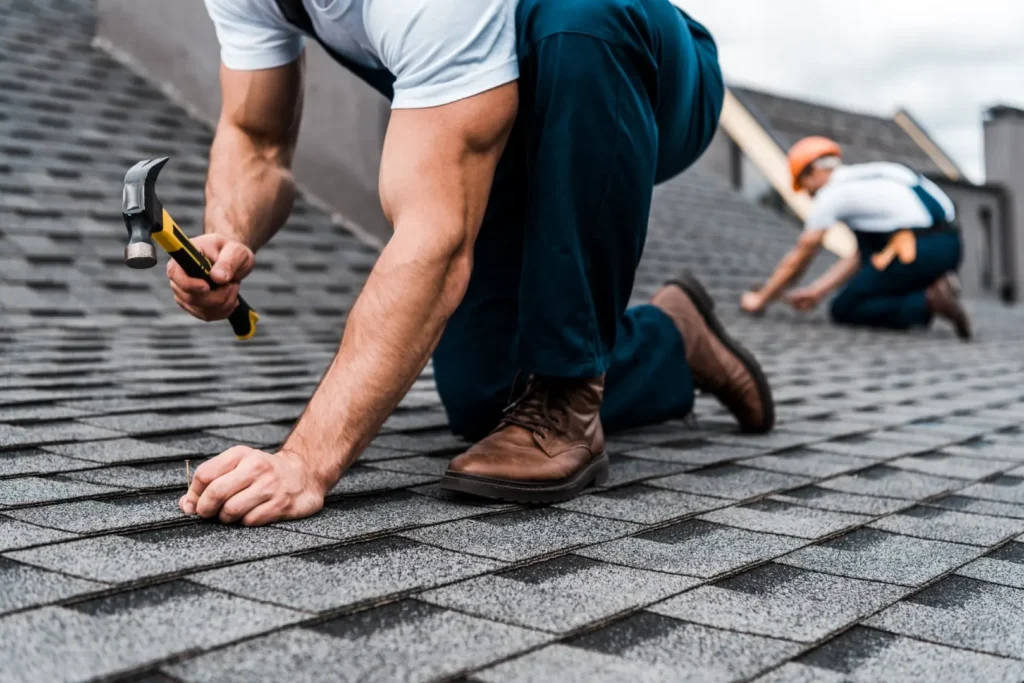
A new roof is one of the biggest investments a homeowner will make in their home. This makes it important to understand what goes into the overall cost before starting a project. While many homeowners want to know the average price of a roof replacement, the final cost varies depending on the size of the home, roofing materials, labor requirements, and the condition of the existing roof. In Idaho, factors like heavy snowfall, strong winds, temperature changes, and seasonal weather can all impact the durability and lifespan of a roof.

In Idaho, especially, factors like heavy snowfall, strong winds, temperature changes, and seasonal weather have a big impact on the lifespan of a roofing system. By understanding the factors that influence roof costs, homeowners can better prepare for a replacement and make informed decisions that protect their home for years to come.

Average Roof Cost

The cost of a new roof varies significantly depending on factors like the size of the home, roofing materials, labor requirements, and the overall condition of the existing roof. Idaho homeowners may see different pricing based on the overall condition of the existing roof, material availability, and the complexity of installation.

While some roofing projects may only require minor repairs, a full roof replacement is a much larger investment because it includes removing old materials, preparing the roof surface, installing new roofing, and ensuring proper protection against the elements. The best way to determine an accurate roof cost is through a professional inspection or a free estimate. This will allow a roofing contractor to evaluate the specific needs of the home and provide a detailed estimate.

Factors That Affect Pricing

There are several factors that could influence the overall new roof cost, which is why pricing varies from home to home. The size and layout of the roof, the type of materials selected, the amount of labor required, and the condition of the existing roof all play a role in determining the final price. Roofs with steep slopes, multiple levels, chimneys, skylights, or other complex features may require additional time and safety measures during installation.

If additional issues like damaged decking, moisture problems, or other structural problems are discovered, additional repairs may be needed before a new roof can be installed. Understanding these factors can help homeowners better prepare for the investment and choose the right roofing solution for their needs.

Choosing the Right Materials

roof costs

The roofing material you choose can have a major impact on both the cost and longevity of your new roof. Asphalt shingles are a popular option for many homeowners because they provide reliable protection at an affordable price. However, materials like metal roofing may have a higher upfront cost but offer added durability and a longer lifespan.

When selecting roofing materials, homeowners should consider factors such as Idaho’s changing weather conditions, maintenance requirements, energy efficiency, and long-term value. Choosing the right material is about finding the best balance between budget, appearance, and performance. A professional roofing contractor can help homeowners evaluate their options and select a material that meets their home’s specific needs.

Additional Replacement Costs

When planning on replacing their roofs, homeowners should consider that there may be additional costs beyond the roofing materials and installation. Removing and disposing of the existing roof, repairing damaged decking, replacing worn flashing, and addressing ventilation issues can all impact the final price.

In some cases, contractors uncover hidden damage from leaks or moisture that needs to be repaired before a new roof can be installed. Addressing these issues during the replacement process will ensure the new roof is properly installed and can provide lasting protection for the home.

Why Choose Us?

Choosing the right person to install your new roof is just as important as choosing the right roofing materials. Premier Roofing and Restorations provides homeowners with professional roofing solutions that are backed by experience, quality workmanship, and a commitment to customer satisfaction. We understand the challenges Idaho homes face throughout the year and work to provide reliable recommendations based on the specific needs of each roof. Premier Roofing and Restorations helps homeowners protect their investment with durable roofing solutions designed to stand up to the elements. Contact us today for a free estimate.
Filed Under: Roofing

  • 1
  • 2
  • 3
  • Next Page »

Hours

Premier Roofing & Restorations

1920 E 17th St. Suite 203
Idaho Falls, ID 83404

208-351-5340

Pocatello: 208-269-9953

MONDAY 9:00 AM - 6:00 PM
TUESDAY 9:00 AM - 6:00 PM
WEDNESDAY 9:00 AM - 6:00 PM
THURSDAY 9:00 AM - 6:00 PM
FRIDAY 9:00 AM - 4:00 PM
SATURDAY CLOSED
SUNDAY CLOSED

Directions

Contact Us

  • This field is for validation purposes and should be left unchanged.

2026 | Premier Roofing & Restorations | All Rights Reserved | Privacy Policy | Terms | XML Sitemap | Sitemap | Site by PDM