
Your roof can tell you more about your home than you might think. From the type of materials used to the amount of wear they’ve experienced, your roof holds clues that help estimate its age and understand its overall condition. Though a professional roof inspection is the best way to determine roof age, paying attention to its appearance will give you a better idea of its history.
As your roof ages, regular exposure to sun, wind, rain, and changing temperatures will gradually take a toll on its materials. Curling and missing shingles, missing granules, worn flashing, and other visible changes provide clues about roof age and whether your roof may be reaching the end of its life. Knowing what to look for can help you spot potential problems early and get professional roofing experts to help.
Look at Your Shingles
When determining roof age, shingles are the first place you should look. The type of materials installed, appearance, and wear and tear can all show telltale signs of how long your roof has been in place. Asphalt shingles are the most common roofing material. However, their lifespan can vary based on a wide variety of factors, including type of asphalt shingle, quality, installation, and exposure to the elements.
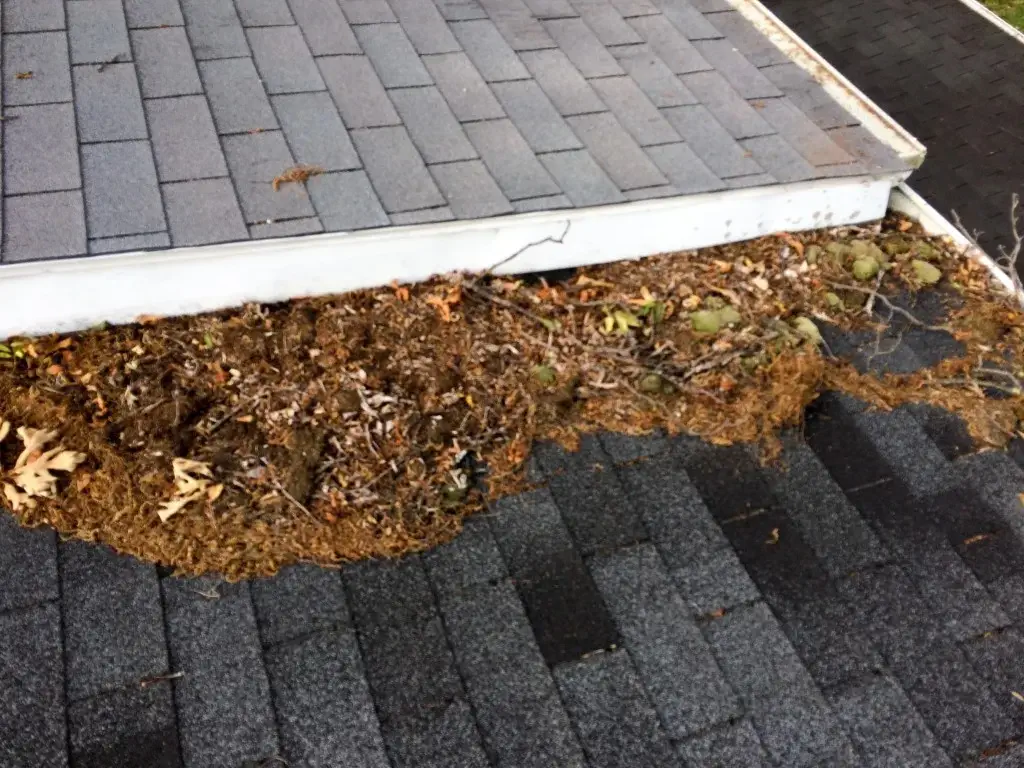
If you’re unsure of your roof’s age, take a look at your shingles. If the color is fading, shingles are cracking, curling, or you see a loss of the small granules that give asphalt shingles their texture, your roofing materials are aging. However, these signs won’t tell you the exact roof age. To determine the exact roof age, check for old home improvement records, inspection reports, or other documentation that may list the date of a previous roof replacement. A professional roofing inspection can also help determine the condition of your shingles and whether your roof age may be approaching the point where replacement should be considered.
Check for Signs of Wear
Some of the clearest clues about roof age and condition can actually be found inside your home. Water stains on ceilings or walls, peeling or bubbling paint, and damp or discolored areas can all indicate that moisture is making its way through your roof. In the attic, you may also notice damp insulation, moisture on the underside of the roof decking, or a persistent musty smell.
A roof leak doesn’t always result in an obvious drip. Small amounts of water can enter through damaged shingles, worn flashing, or other vulnerable areas and gradually cause problems over time. Mold or mildew can also develop when water remains in an area for an extended period, making it important to pay attention to changes in areas beneath your roof.
Consider the Roofing Materials
The type of roofing material on your home can provide another clue when determining roof age. Different roofing materials have different lifespans, so knowing what is installed on your roof will help you understand how much life your roof has left. Asphalt shingles are one of the most common options and can last for decades, while other materials such as metal, clay, and concrete can have significantly longer lifespans.
It is also important to remember that your home’s age and your roof’s age are not necessarily the same. A home that was built thirty years ago could have a much newer roof since it’s likely been replaced since the home was originally built. If you’re unsure when your current roof was installed, check home improvement records, or having a professional roofing contractor inspect the materials can help you get a better idea of your roof’s condition.
Don’t Forget Flashing
Your shingles aren’t the only part of your roof that can show signs of age. Flashing is installed around areas where your roof meets another structure or where water can potentially enter. This includes chimneys, vents, skylights, roof valleys, and walls. Flashing helps direct water away from vulnerable areas and prevent moisture from getting underneath your roofing materials.
As your roof gets older, flashing will begin to show signs of wear. Rust, corrosion, bending, loosening, or deteriorating sealant can all affect how well the flashing protects your home from water. Damaged flashing allows water to seep into your home, potentially leading to leaks and moisture damage.
Why Choose Us?
When your roof is showing signs of age, having an experienced team evaluate its condition can give you peace of mind. Premier Roofing & Restorations has more than 23 years of roofing experience repairing and replacing roofs. Our team uses quality materials and modern techniques to provide dependable roofing solutions for homeowners throughout Eastern Idaho.
Premier also offers free roof evaluations and inspections to help homeowners understand what their roof needs. Whether your aging roof needs a repair or it’s time for a complete replacement, our team can help you understand your options and find the right solution for your home. Contact us today for a free estimate.