
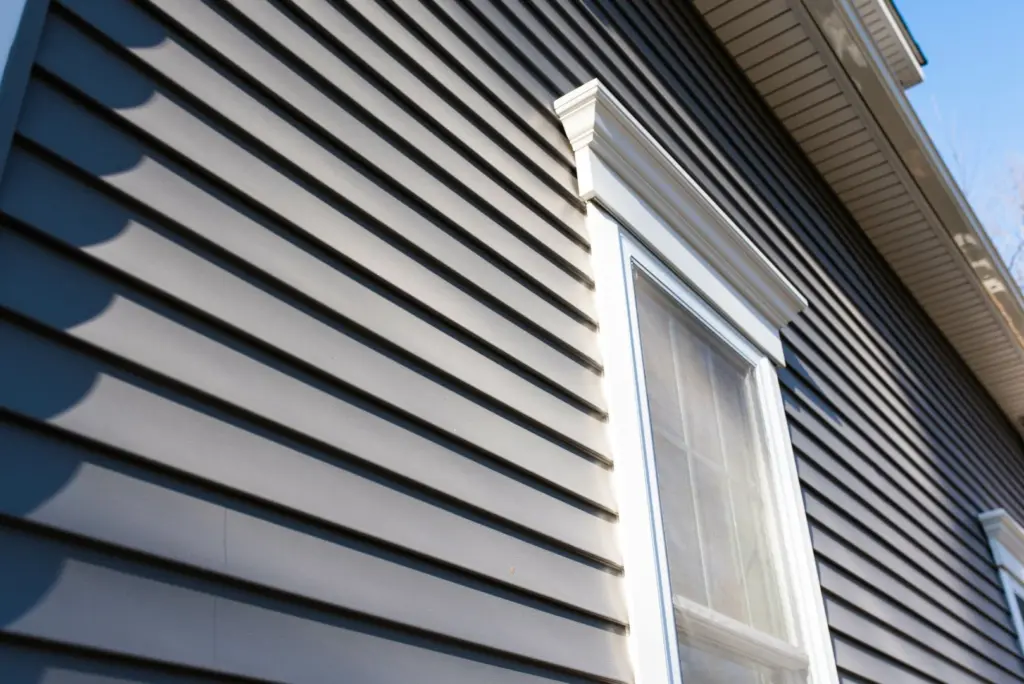
Choosing siding for your home involves more than selecting a color you like. The right siding can improve curb appeal, protect your home from the elements, and influence long-term maintenance costs. With different materials and styles available, it’s important to consider how each option will fit your needs and your budget. For Idaho homeowners, durability and weather resistance are especially important. Here are five factors to consider when choosing siding for your home.
Durability and Weather Resistance
Siding works as an important barrier between your home and the outdoor elements. In Idaho especially, changing temperatures, winter snow, wind, and moisture can put stress on exterior materials over time. Choosing siding that is durable can help your home withstand these conditions while reducing the need for frequent repairs.
Different materials offer different levels of durability. Vinyl siding resists moisture and does not require regular painting, making it a popular choice for many homeowners. Fiber cement siding is known for its strength and resistance to many common forms of exterior damage. Engineered wood siding provides the appearance of natural wood with additional protection against environmental factors.
Upfront Cost and Long-Term Value
Your budget will play an important role when choosing siding. Material prices, labor costs, and the size of your home can all affect the total cost of installation. However, the initial price shouldn’t be the only factor that you consider.
Some siding materials cost less upfront but might require more frequent maintenance or repairs. Other options may have a higher initial cost but offer a longer service life or lower maintenance requirements. Comparing these expenses can help you understand the long-term value of each material. Before making a final decision, consider your budget alongside the expected lifespan, maintenance needs, and durability of your preferred siding options.
Maintenance Requirements
Different siding materials require different levels of upkeep. Understanding these requirements before choosing siding can help you choose an option that fits your schedule and maintenance preferences.
Vinyl siding generally requires occasional cleaning to remove dirt and buildup. Fiber cement siding may need periodic repainting depending on its finish and the manufacturer’s recommendations. Natural wood siding typically requires more regular maintenance to protect it from moisture, insects, and deterioration.
Regardless of what material you decide on, routine inspections can help identify loose panels, cracks, and other problems before they become more extensive. Consider how much time and money you are willing to spend on upkeep when comparing siding options.
Appearance and Style
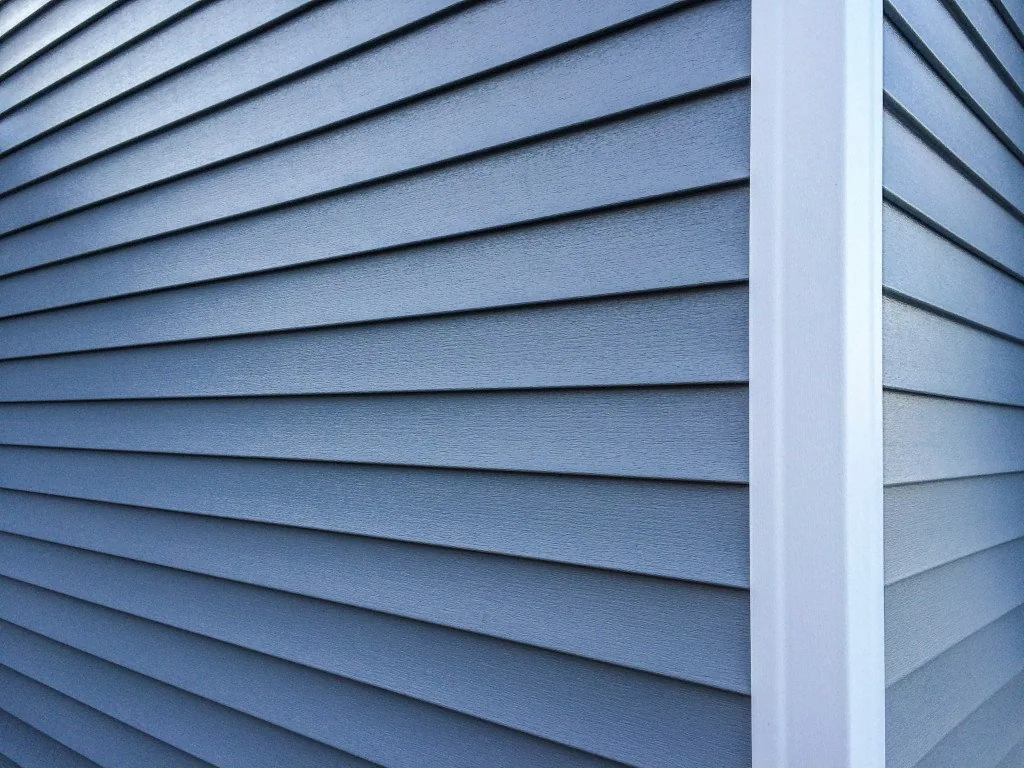
Siding has a major impact on your home’s overall appearance. The material, color, texture, and panel style you pick when choosing siding can complement your home’s architecture and improve its curb appeal.
Traditional horizontal lap siding works well with many classic home designs, while vertical siding can create a more contemporary appearance. Vinyl siding comes in a variety of colors and styles, while fiber cement and engineered wood offer additional options for homeowners seeking a particular look.
It’s also important to consider how your siding will look with the rest of your home, like your roof, trim, and windows, for example. Choosing siding with complementary colors and materials can create a cohesive appearance. Before committing to a style, review samples in different lighting and consider how the finished exterior will look throughout the year.
Energy Efficiency and Moisture Protection
Your home’s siding can contribute to its overall exterior performance, but energy efficiency depends on more than the siding material alone. Insulation, air sealing, ventilation, and proper installation all influence how effectively your home maintains comfortable indoor temperatures.
Some siding products include additional insulation, which may help keep your home warmer when properly incorporated and designed. Moisture protection is as equally important. Siding must be installed with appropriate flashing, weather-resistant barriers, and drainage details to help direct water away from your home. When installed improperly, moisture can accumulate behind siding and potentially rot and cause other damage to your home.
When comparing siding options, ask how each material will work with your home’s existing exterior. A professional siding contractor can help identify suitable materials and installation methods for your home and local climate.
Why Choose Us?
Choosing siding is an investment in your home’s appearance, protection, and long-term maintenance. Premier Roofing and Resotrations provides siding services for homeowners in Idaho Falls, Pocatello, and surrounding Eastern Idaho communities. Our team can help you explore your options and plan an exterior project that fits your needs. Contact us today to discuss your siding project or to request a free estimate.