
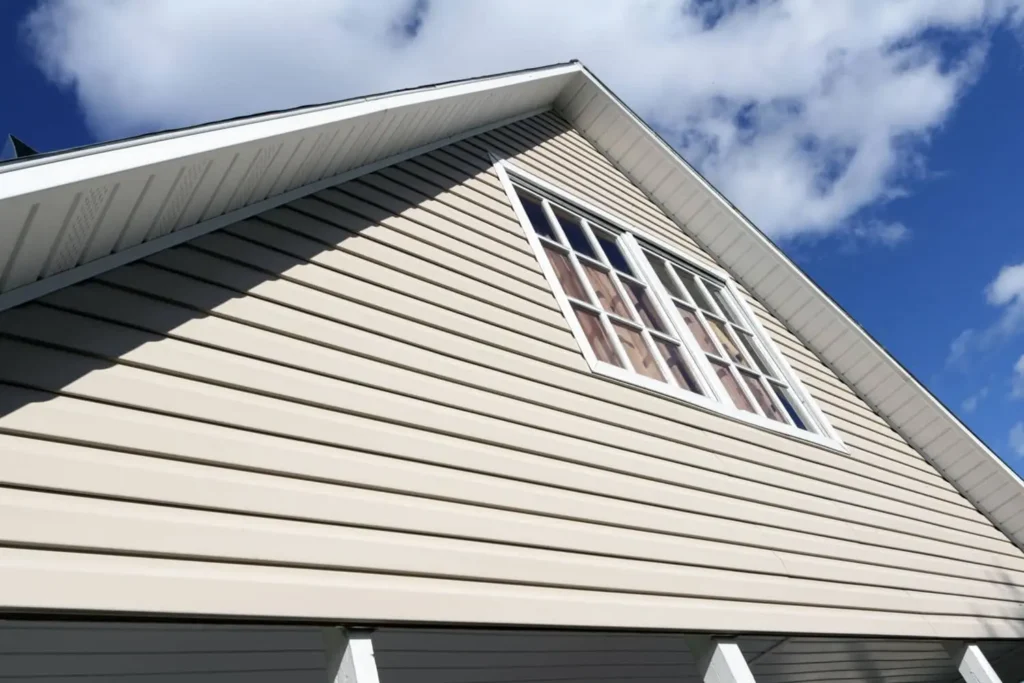
When looking at a home, the roof’s shape and appearance may be one of the first things you notice. But have you ever considered how steep or shallow it is, and how it might affect the rest of your home? This angle, known as the roof pitch, plays an important role in how a roof performs and protects your home. Roof pitch can affect everything from water and snow drainage to the roofing materials that can be used. Understanding how roof pitch works can help homeowners better understand their roof’s design and why it matters for long-term protection, especially in areas with changing weather conditions.
What Is Roof Pitch?
Roof pitch refers to the steepness or slope of a roof and is typically conveyed as a ratio, such as 4:12, meaning the roof rises 4 inches for every 12 inches of horizontal distance. Roofs can have low, moderate, or steep pitches depending on the design of the home, climate, drainage needs, and roofing materials.
Besides just appearance, a roof’s pitch plays an important role in how well it handles rain and snow, supports proper drainage and ventilation, and determines which roofing materials and installation methods are appropriate. Understanding your home’s roof pitch can help you better understand how your roof is designed to protect your home and withstand the elements.
Common Types of Roof Pitch
There are three general categories of roof pitch: low, moderate, or steep, each providing different benefits for a home. Low-slope roofs have a minimal incline and require proper drainage because water and snow may not run off the roof quickly.
Moderate-slope roofs are the most common on residential homes and offer a balance between appearance, drainage, and practicality. Steep-sloped roofs have a greater incline, which allows rain and snow to shed more easily and create additional attic space.
How Roof Pitch Affects Drainage
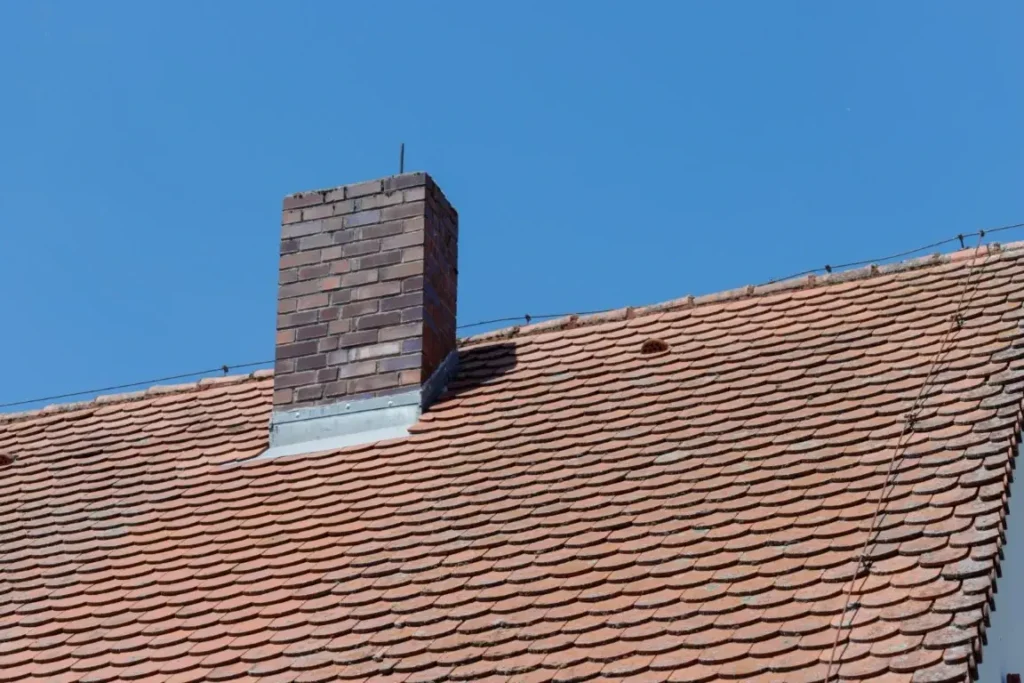
Roof pitch plays an important role in how efficiently rainwater and melting snow drain away from your home. Steeper roofs generally allow water to run off more quickly, while low-slope roofs can cause water to move more slowly, making it more susceptible to pooling and water damage if proper drainage isn’t in place.
Your roof’s pitch works together with roofing materials, gutters, and downspouts to direct moisture away from your home and help prevent water from getting underneath the roofing materials or collecting around the foundation. In Idaho, homes experience wear and tear from rain, snow, and changing temperatures throughout the year. Proper drainage is especially important to protecting your home from moisture-related damage.
Roof Pitch and Idaho Weather
Idaho homes are constantly exposed to a variety of weather conditions throughout the year, making roof design an important consideration for homeowners. Roof pitch can influence how effectively a home holds up to snow, rain, ice, and strong winds. Steeper roofs can help snow and rain move off the roof more easily, while lower-pitched roofs may retain more snow and require more planning to ensure there’s proper drainage.
Idaho’s freeze-thaw cycles, which cause snow to melt and refreeze, make proper water runoff especially important for preventing moisture from getting beneath roofing materials. While there is no single roof pitch that is best suited for every single Idaho home, factors like the home’s design, location, roofing materials, and exposure to local weather should all be considered when determining the right roof system.
How Roof Pitch Affects Roofing Materials
Your home’s roof pitch plays an important role in determining which roofing materials are best and how they should be installed. Different materials are designated to perform at different slopes, and some may not be suitable for low-pitched roofs where water drains slowly. Asphalt shingles are commonly used on residential homes, but they do require an appropriate slope for proper water shedding. Metal roofing can work across a wider range of pitches depending on the specific system.
Very low-slope roofs may even require specialized roofing systems that provide greater protection against standing water and moisture. Proper installation is also essential, as details such as underlayment, flashing, and fastening methods can affect how well a roofing material performs. By considering the roof’s pitch along with the home’s design and weather conditions, a professional roofer can help determine which materials will provide reliable, long-term protection.
Why Choose Us?
Choosing the right roofing contractor can make a significant difference in the long-term performance of your roof. Premier Roofing & Restorations brings more than 23 years of roofing experience to homeowners throughout Eastern Idaho, with expertise in roof repairs, replacements, and new installations. Contact us today for a free estimate.