
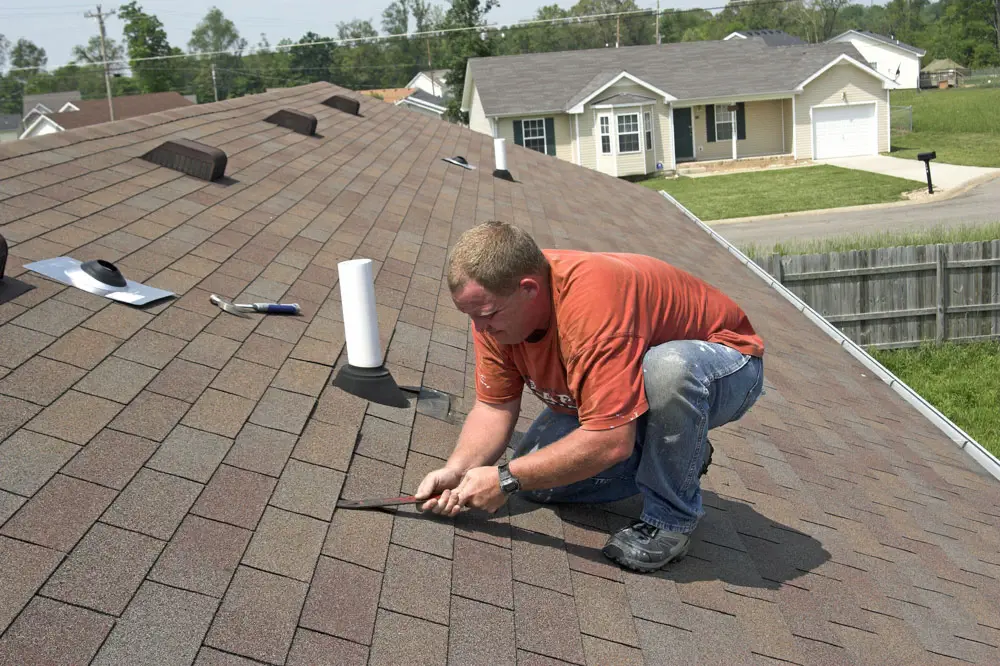
Idaho summers can get very hot. Whether you’re trying to beat the heat in the comfort of your air-conditioned home or outside at the pool, your roof is stuck taking the brunt of the heat. Though Idaho summers tend to be short, they can do a number on your roof. It’s important to know what summer roof damage looks like and how you can protect the top line of your home.
Heat Damage to Roofing Materials
During the summer months, your roof takes on the burden of constant sun exposure. The extended heat and the UV rays can cause your roof to reach temperatures of 150 degrees or more, causing severe summer roof damage.
Asphalt shingles, the most common in residential homes, contain oils that keep them protect them and keep them flexible. Over time, the heat dries out the oils, making the shingles crack, curl, warp, and become brittle, making your home more susceptible to leaks. Constant heat exposure also causes the color of your roof to change and ruin its structure over time, ageing it faster than one in a milder climate.
Once your roof starts to deteriorate, it won’t be able to protect your home. Even small issues like small cracks or curling edges can quickly turn into bigger issues, like leaks, mold, mildew growth, and higher energy bills.
Though there’s really nothing a homeowner can do to stop the sun from beating down on their roof, you can be proactive. To ensure the state of your roof, schedule regular inspections to catch summer roof damage early, look for visible damage, keep your roof free of debris, and potentially consider reflective or higher-quality materials when you’ll need a roof replacement.
Expansion and Contraction
As temperatures are blazing during the day and dropping at night, your roof is constantly expanding and contracting. Though this may seem very minor, it can put serious stress on your roof over time.
When your roof is constantly exposed to direct sunlight, the shingles begin to expand. As the sun goes down, the shingles cool down, causing the shingles to shrink back down. Since this cycle repeats almost daily, it gradually weakens the structural integrity of your roof.
Over time, the expansion and contraction of the shingles can lead to warped shingles, loosened nails, fasteners, separated seams, and an increased risk of leaks. Even if your roof looks fine from the ground, there may be hidden issues as a result.
Luckily, there are ways you can minimize the impact that expansion and contraction can cause. You can do that by scheduling regular roof inspections, ensuring your roof is properly installed, since poorly installed roofs are more prone tos hifting, and also ensuring that you invest in high-quality roofing materials that are designed to handle temperature fluctuations.
Poor Roof Ventilation
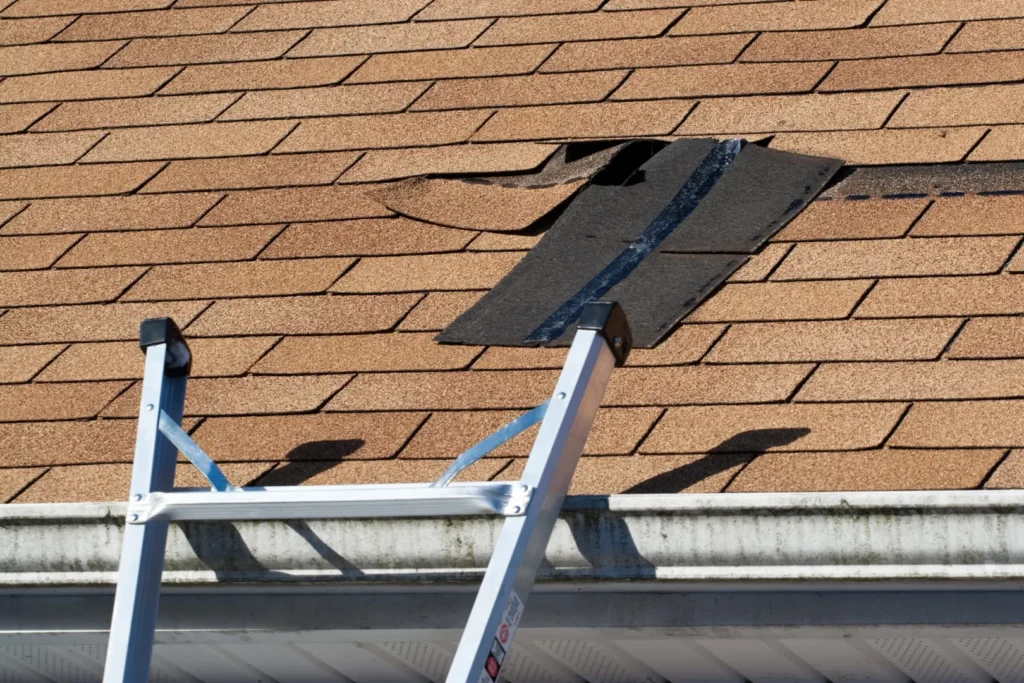
Having proper ventilation in your roof is a critical component in regulating temperature and moisture levels in your attic. During the summer, poor ventilation can trap the extreme heat inside your home. This will cause problems not only for your roof but for your entire house as well.
Without the proper roof ventilation to protect your home, airflow becomes restricted in the attic. Without proper airflow, heat becomes trapped beneath your roof, air can’t circulate properly, and the temperatures in your attic will continue to rise throughout the day.
Those ventilation issues won’t just stop at your roof. Your air conditioning system will have to work harder to keep your home cool, and the excess heat from your attic will seep into the living space on the upper floors of your home.
Ventilation issues can be hard to spot right away. However, they aren’t impossible to catch. If the upper floors of your home are unusually hot, your energy bill is higher, or you’re noticing musty odors or signs of moisture buildup, you may have poor roof ventilation.
In order to improve your roof ventilation, there are a few things you can do. First, you can install or upgrade ridge vents and soffit vents to balance the airflow. Secondly, ensure insulation isn’t blocking air pathways, and lastly, schedule a professional inspection to evaluate the ventilation.
Storms and Debris
Though summer brings the heat, it also brings storms with strong winds and flying debris. Combining a roof already weakened by the heat and stormy conditions is a recipe for summer roof damage. Unlike the gradual summer roof damage the sun can cause, sudden seasonal storms can put intense stress on your roof.
High stormy winds can lift or tear off shingles already loosened from the heat; rain can exploit weak spots, leading to leaks; in some cases, hail can bruise or crack shingles that significantly shorten their lifespan.
Even debris from summer storms can cause summer roof damage. Tree branches can scrape and puncture the roof, leaves can trap heat and moisture, and clogged gutters can prevent proper drainage, leading to water backup.
This summer roof damage becomes worse because roofing materials may already be weakened from prolonged heat exposure. Though your roof is meant to withstand a lot, sudden storms hit harder when your roof isn’t in peak condition.
Protect your roof from sudden summer storms by trimming overhanging branches, cleaning gutters regularly, and scheduling a professional inspection, especially after severe weather.
Why Choose Us?
At Premier Roofing and Restoration, we understand that the summer heat beating down on your roof is inevitable. You can trust Premier Roofing and Restoration to help repair your sun-damaged roof or install a new roof with top materials that will withstand the summer heat. Contact us today for a free estimate.